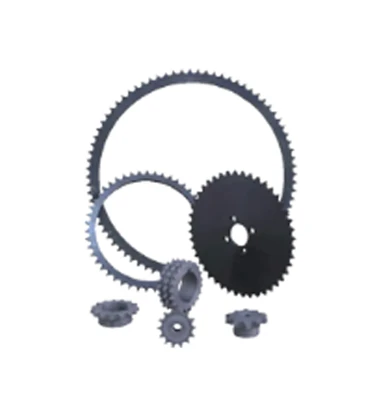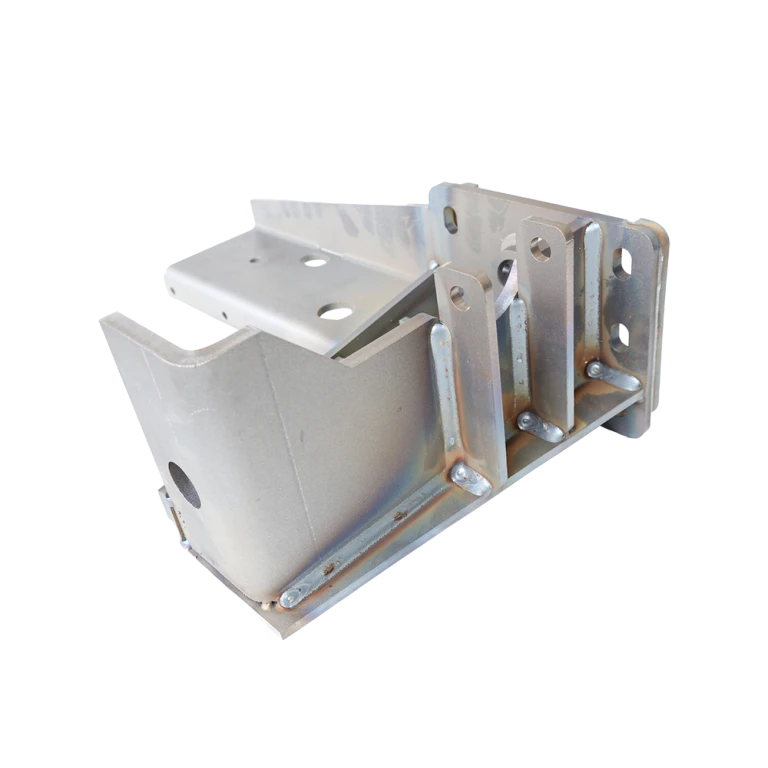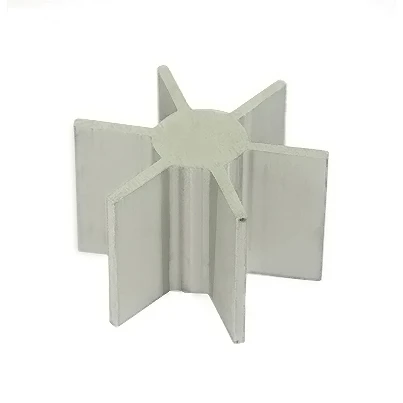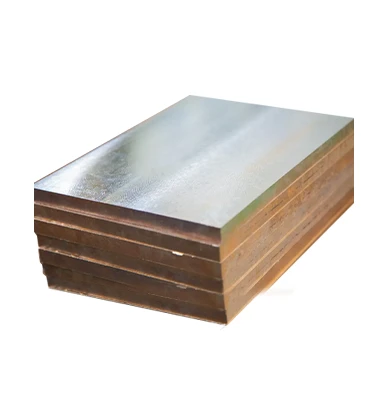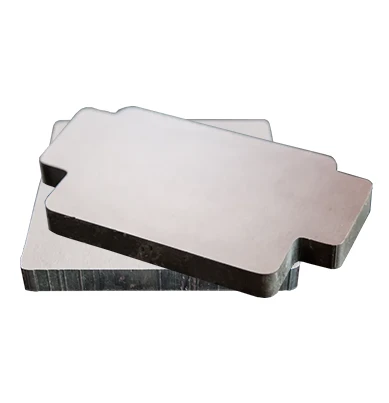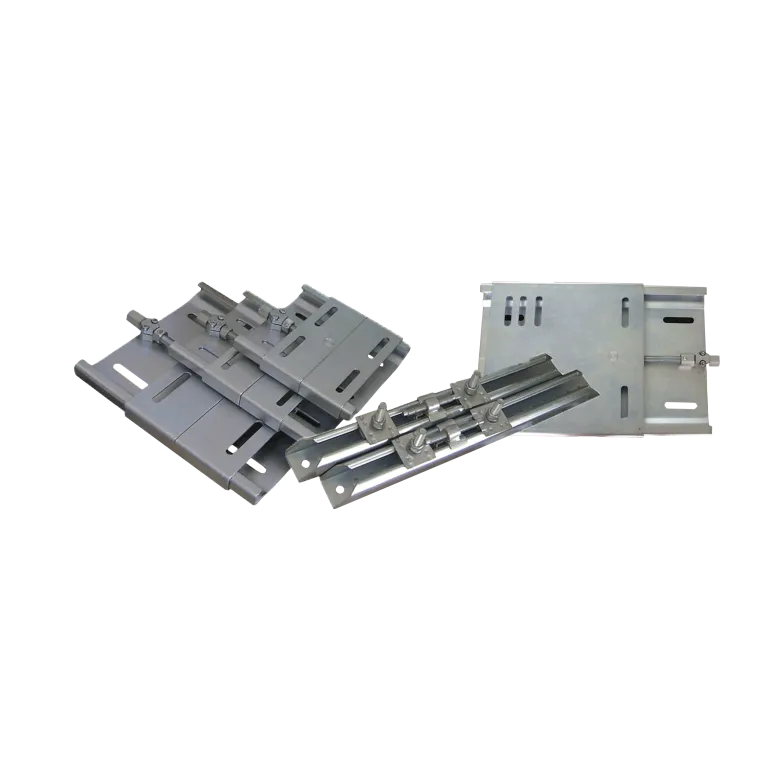








So với các loại thành phần khác, các bộ phận gia công nổi tiếng với độ chính xác đặc biệt và chất lượng vượt trội, khiến chúng trở nên lý tưởng để đáp ứng các yêu cầu nghiêm ngặt của ngành công nghiệp.
Năng lực của chúng tôi bao gồm nhiều kỹ thuật khác nhau, bao gồm nhưng không giới hạn ở Xay xát、Quay、Khoan & Nhạt nhẽo、Mài、Dây EDM (Gia công bằng tia lửa điện)、Cắt bánh răng v.v. Bằng cách loại bỏ vật liệu khỏi các khối rắn (thanh, tấm hoặc vật rèn), chúng tôi sản xuất các bộ phận tùy chỉnh, đặc biệt phù hợp cho các ứng dụng yêu cầu dung sai chặt chẽ.
Các thành phần gia công của chúng tôi được chế tạo từ nhiều loại vật liệu khác nhau, bao gồm: Thép cacbon (thanh/tấm)、Thép hợp kim、Rèn、Nhôm (thanh/tấm)、Thép không gỉ (thanh/tấm)、Đồng (thanh/tấm)、Nhựa kỹ thuật (Thanh/tấm Nylon, PE/PP/PVC)、Gang (Gang xám/Sắt dẻo)、Thép đúc/Thép không gỉ đúc/Nhôm đúc/Đồng đúc.
Để nâng cao hiệu quả và độ chính xác, chúng tôi sử dụng các loại máy móc sau: Máy tiện tự động nhỏ 、Trung tâm gia công CNC đa trục 、Máy tiện CNC tốc độ cao、Máy tiện-phay hợp chất、Trung tâm gia công cổng trục、Đơn vị sản xuất linh hoạt (FMS), v.v.
Để đảm bảo tính toàn vẹn của vật liệu và độ chính xác về kích thước, chúng tôi sử dụng các công cụ, dụng cụ và thiết bị kiểm tra sau.
Kiểm tra kích thước: Máy đo tọa độ (CMM), máy chiếu quang học, máy kiểm tra độ lệch, micrômet và máy đo mức micrômet.
Chất lượng bề mặt: Máy kiểm tra độ nhám để xác minh độ hoàn thiện bề mặt (có thể đạt được giá trị Ra tùy chỉnh). Xác minh vật liệu: Máy quang phổ, máy kiểm tra độ cứng và máy kiểm tra độ bền kéo.
Kiểm tra không phá hủy (NDT): Kiểm tra bằng chất thẩm thấu màu và siêu âm.
Các dịch vụ giá trị gia tăng bổ sung được cung cấp bao gồm xử lý bề mặt và xử lý nhiệt.
Xử lý bề mặt: Mạ (kẽm/niken/titan) để chống ăn mòn. Anodizing để tăng khả năng chống mài mòn. Đánh bóng, sơn, phủ xanh/đen để chống gỉ và cải thiện tính thẩm mỹ.
Xử lý nhiệt: Làm nguội, Ram, Ủ, Thường hóa. Thấm cacbon/Nitơ hóa để làm cứng bề mặt.
Độ chính xác cao của các chi tiết gia công đảm bảo tính tương thích hoàn hảo giữa các linh kiện, cải thiện đáng kể độ chính xác và độ ổn định vận hành của thiết bị. Điều này không chỉ nâng cao hiệu quả sản xuất mà còn giảm tỷ lệ hỏng hóc thiết bị. Do đó, các chi tiết gia công được sử dụng rộng rãi trong các ngành công nghiệp như Hóa dầu, Điện lực, Thực phẩm & Dược phẩm, Đóng tàu, Kỹ thuật Xây dựng, Thiết bị Cơ khí.
Với kinh nghiệm dày dặn, Hebei Windzone chuyên sản xuất linh kiện theo bản vẽ của khách hàng và cam kết cung cấp dịch vụ chất lượng cao. Chúng tôi nỗ lực đảm bảo mọi dự án đều đáp ứng hoặc vượt quá mong đợi của khách hàng. Dù đơn hàng của bạn lớn hay nhỏ, chúng tôi luôn hoan nghênh bạn chia sẻ bản vẽ với chúng tôi để thảo luận thêm.
Các bộ phận thép cacbon


Các bộ phận bằng thép không gỉ


Các bộ phận nhôm


Các bộ phận gang đúc liên tục


Các bộ phận bằng đồng


Các bộ phận bằng nylon


Các loại bộ phận cơ khí
Mechanical parts are the basic components used in machines to transmit motion, support loads, and control mechanical systems. They can be classified into several main types according to their functions.
First, fasteners are widely used to join different parts together. Common fasteners include bolts, nuts, screws, washers, and rivets. They allow components to be assembled and disassembled easily for maintenance or replacement. Fasteners are essential in almost all mechanical structures.
Second, power transmission parts are used to transfer energy from one component to another. Examples include shafts, gears, belts, chains, and couplings. Shafts transmit rotational motion, while gears change speed, torque, or direction. Belts and chains are often used when flexible or long-distance power transmission is required.
Third, supporting and guiding parts help maintain stability and reduce friction. Bearings, bushings, and guides belong to this category. Bearings support rotating shafts and reduce friction between moving surfaces, improving efficiency and service life of machines.
Fourth, sealing parts are designed to prevent leakage of fluids or gases. Common sealing elements include gaskets, O-rings, oil seals, and packing. These parts are especially important in hydraulic and pneumatic systems.
Finally, elastic and damping parts, such as springs and shock absorbers, are used to store energy, absorb vibration, and reduce impact. They play a key role in improving safety and comfort in mechanical systems.
Together, these mechanical parts form the foundation of modern machinery and industrial equipment.
Thiết kế bộ phận cơ khí
Mechanical parts design is a fundamental aspect of mechanical engineering that focuses on creating components capable of performing specific functions safely, efficiently, and reliably. The design process begins with a clear understanding of functional requirements, such as load conditions, motion type, working environment, and service life. These factors determine the overall structure and performance targets of the mechanical part.
Material selection is a critical step in mechanical parts design. Engineers choose materials based on strength, stiffness, wear resistance, corrosion resistance, and cost. Common materials include carbon steel, alloy steel, aluminum alloys, plastics, and composite materials. Proper material selection ensures that the part can withstand mechanical stress while remaining economical and manufacturable.
Structural design and dimensioning are also essential. Designers must calculate stresses, strains, and safety factors to avoid failure under working loads. At the same time, they aim to minimize weight and material usage. Tolerances and surface finishes are carefully specified to ensure proper fit, smooth operation, and interchangeability of parts.
Manufacturing considerations play an important role in the design stage. A well-designed mechanical part should be easy to produce using available processes such as casting, machining, forging, or additive manufacturing. Designers must also consider assembly, maintenance, and replacement.
In addition, modern mechanical parts design increasingly relies on computer-aided design (CAD) and simulation tools. These technologies improve accuracy, reduce development time, and enhance overall product quality.
What Are The Mechanical Parts
Mechanical parts are the fundamental elements that make up machines and mechanical systems. They are designed to perform specific functions such as transmitting motion, supporting loads, reducing friction, sealing fluids, or controlling movement. Almost every machine, from simple tools to complex industrial equipment, is composed of various mechanical parts working together.
One major category of mechanical parts is fastening parts. These include bolts, nuts, screws, pins, keys, and rivets. Fasteners are used to connect different components into a complete structure. They allow machines to be assembled, disassembled, and repaired efficiently. Proper fastening ensures structural stability and safety during operation.
Another important group is power transmission parts, which transfer energy from one part of a machine to another. Common examples are shafts, gears, belts, chains, pulleys, and couplings. Shafts are used to transmit rotational motion, while gears are used to change speed, torque, or direction. Belts and chains are suitable for long-distance or flexible power transmission and are widely used in engines and conveyor systems.
Supporting and guiding parts play a key role in maintaining accuracy and reducing friction. Bearings, bushings, sliders, and guide rails belong to this category. Bearings support rotating or moving shafts and significantly reduce friction between contact surfaces, improving efficiency and extending the service life of machines.
Sealing parts are essential in systems that involve liquids or gases. Typical sealing components include gaskets, O-rings, oil seals, and mechanical seals. Their main function is to prevent leakage, maintain pressure, and protect internal components from contamination.
In addition, there are elastic and damping parts, such as springs, shock absorbers, and dampers. Springs store and release energy, control motion, and absorb shocks. Dampers reduce vibration and impact, improving the stability and comfort of mechanical systems.
Other mechanical parts include housings, frames, cams, valves, and levers, each serving specialized functions. Together, these mechanical parts form complete machines that support modern manufacturing, transportation, energy production, and daily life.