








1. Thanh và thanh đồng
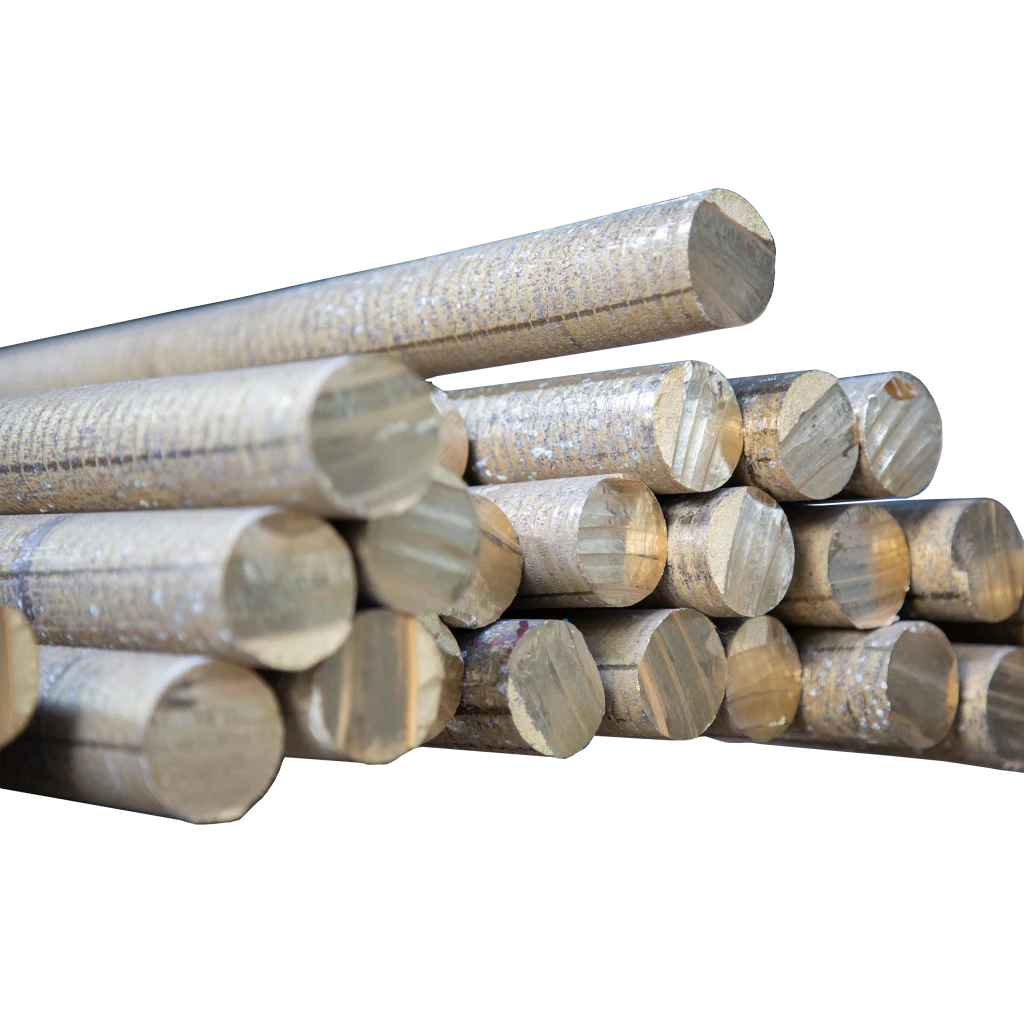
Tính năng: Độ tinh khiết cao, độ bền cao, chống ăn mòn
Ứng dụng: Kỹ thuật điện, sản xuất cơ khí, công nghiệp hàng hải, v.v.
Ưu điểm: Độ dẫn điện và tính chất nhiệt tuyệt vời, dễ gia công và hàn


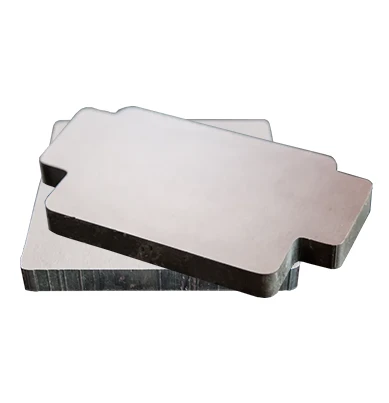
2.Tấm đồng
Đặc điểm: Bề mặt nhẵn, độ dày đồng đều, độ bền cao
Ứng dụng: Trang trí kiến trúc, sản phẩm điện tử, công nghiệp ô tô, v.v.
Ưu điểm: Độ dẻo dai và khả năng chống mài mòn vượt trội, lý tưởng cho nhiều nhu cầu xử lý sâu khác nhau


3. Lá đồng và miếng đệm
Tính năng: Mỏng nhưng bền, linh hoạt và đàn hồi
Ứng dụng: Sản xuất pin, vật liệu che chắn, bảng mạch in, v.v.
Ưu điểm: Độ dẫn điện và hiệu quả che chắn vượt trội, được sử dụng rộng rãi trong các ngành công nghiệp công nghệ cao.


Tất cả sản phẩm Cooper của chúng tôi đều trải qua quá trình kiểm tra chất lượng nghiêm ngặt và đảm bảo đáp ứng các tiêu chuẩn quốc tế. Chúng tôi cam kết mang đến cho khách hàng những giải pháp tốt nhất và dịch vụ xuất sắc. Nếu bạn muốn tìm hiểu thêm, xin vui lòng liên hệ với chúng tôi. Lựa chọn sản phẩm Cooper của chúng tôi đồng nghĩa với việc lựa chọn chất lượng và độ tin cậy!
Difference between cast iron and ductile iron
Cast iron and ductile iron are both widely used ferrous alloys, but they differ significantly in composition, mechanical properties, and applications. Understanding these differences is crucial for selecting the right material for engineering and construction purposes.
Cast iron is a carbon-rich alloy, typically containing 2–4% carbon and 1–3% silicon. Its microstructure consists mainly of graphite flakes dispersed within a brittle iron matrix, which gives it excellent compressive strength and wear resistance but very low tensile strength and ductility. This brittleness makes cast iron prone to cracking under tensile stress or impact, limiting its use in applications requiring flexibility or shock resistance. Cast iron is relatively easy to cast into complex shapes and provides good vibration damping, which is why it is commonly used for engine blocks, machine bases, pipes, and cookware.
Ductile iron, also known as nodular or spheroidal graphite iron, is an improved version of cast iron. By adding small amounts of magnesium or cerium during production, the graphite forms as rounded nodules rather than flakes. This simple microstructural change dramatically enhances ductility, tensile strength, and impact resistance while retaining much of the corrosion resistance and castability of traditional cast iron. Ductile iron can bend and deform under stress without fracturing, making it suitable for load-bearing components, automotive parts, gears, and water or sewer pipes.
Another difference lies in machinability and surface finish. Cast iron, due to its flake structure, tends to produce a rougher finish and wears tools faster during machining. Ductile iron, with its more uniform nodular graphite, allows smoother machining and better tolerance control. Both materials can be heat-treated for hardness and strength, but ductile iron offers greater flexibility in engineering applications due to its balanced combination of strength and ductility.
In summary, cast iron is brittle but strong under compression and easy to cast, while ductile iron combines strength with flexibility, making it more suitable for dynamic or high-stress applications. The choice between the two depends on whether rigidity or resilience is more critical for the intended use.
Is ductile iron the same as cast iron
Ductile iron is often thought of as cast iron, but technically, it is a distinct type of cast iron with significantly different properties. Both ductile iron and traditional cast iron belong to the family of iron-carbon alloys and are produced by casting molten iron into molds. However, their microstructures, mechanical behavior, and typical applications set them apart.
Traditional cast iron, sometimes called gray cast iron, contains 2–4% carbon and 1–3% silicon, with the carbon existing primarily as graphite flakes. This flake-like graphite structure gives cast iron excellent compressive strength, high wear resistance, and good vibration damping, but it also makes it brittle and weak under tension or impact. As a result, traditional cast iron is prone to cracking when subjected to bending or shock loads, which limits its use in components that require flexibility.
Ductile iron, also known as nodular or spheroidal graphite iron, is produced by adding small amounts of magnesium or cerium to molten cast iron before solidification. This treatment changes the graphite shape from flakes to spherical nodules, which dramatically improves the alloy’s ductility, tensile strength, and toughness while retaining much of cast iron’s excellent castability and corrosion resistance. Unlike brittle gray cast iron, ductile iron can bend or deform under stress without fracturing, making it suitable for applications such as automotive components, pressure pipes, gears, and structural parts that experience dynamic loads.
While both materials are technically “cast irons,” ductile iron is often considered a more advanced or specialized form. It retains the ease of casting associated with traditional cast iron but combines it with flexibility, impact resistance, and higher tensile strength, bridging the gap between brittle cast iron and steel. Choosing between the two depends on whether rigidity or resilience is more critical for the intended application.
In short, ductile iron is a type of cast iron but with superior mechanical properties due to its nodular graphite structure, making it far more versatile in modern engineering.
Difference between ductile and cast iron
Ductile iron and traditional cast iron are both iron-carbon alloys, but they differ significantly in structure, mechanical properties, and applications. These differences make each material suitable for specific engineering uses, and understanding them is essential for selecting the right metal for a project.
Traditional cast iron, often called gray cast iron, contains 2–4% carbon and 1–3% silicon. Its microstructure is characterized by graphite flakes embedded in a brittle iron matrix. This flake structure gives cast iron excellent compressive strength, wear resistance, and vibration-damping ability, but it is very weak under tensile or impact loads. As a result, gray cast iron is prone to cracking or breaking when bent or subjected to shock. It is widely used in engine blocks, machine bases, cookware, pipes, and other components where compressive strength and castability are more important than flexibility.
Ductile iron, also known as nodular or spheroidal graphite iron, is produced by adding small amounts of magnesium or cerium to molten iron. This changes the graphite morphology from flakes to spherical nodules, which significantly enhances ductility, tensile strength, and impact resistance while maintaining corrosion resistance and good castability. Ductile iron can bend and deform under stress without fracturing, making it ideal for structural components, automotive parts, gears, and water or sewer pipes.
In terms of machinability, traditional cast iron is harder on cutting tools due to its flake structure and tends to produce rougher surfaces. Ductile iron, with its nodular graphite, allows smoother machining and tighter tolerances. While both can be heat-treated to improve hardness and strength, ductile iron’s balanced combination of strength and flexibility gives it a broader range of applications than gray cast iron.
In summary, the main difference between ductile and cast iron lies in their graphite structure: flakes in gray cast iron make it brittle, while nodules in ductile iron provide strength and flexibility. This distinction determines how each material is used in engineering and construction.