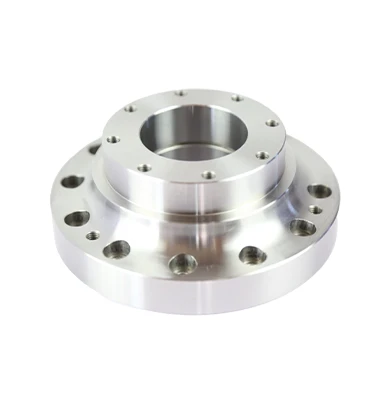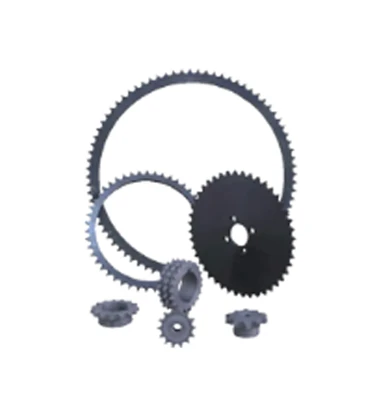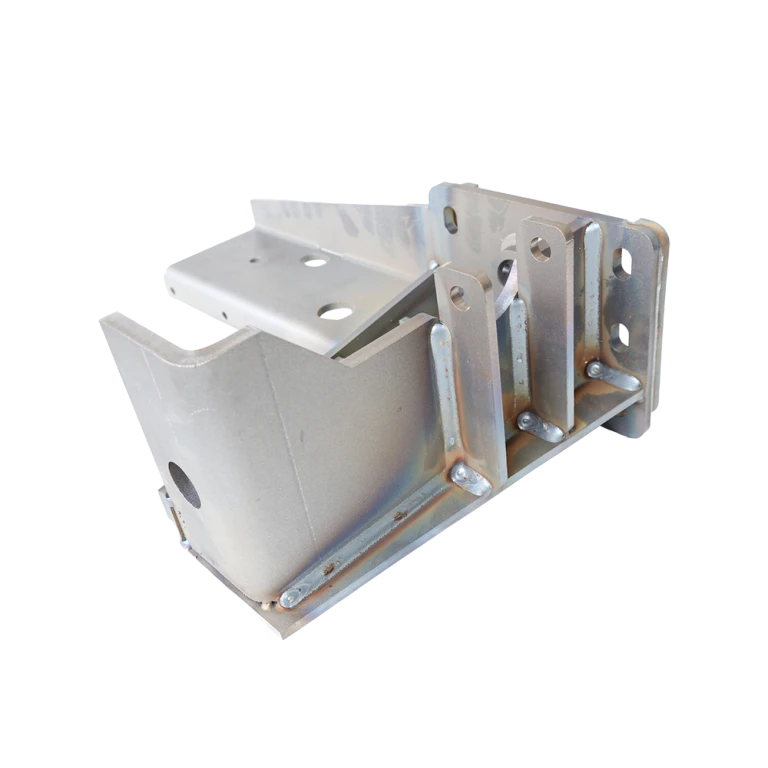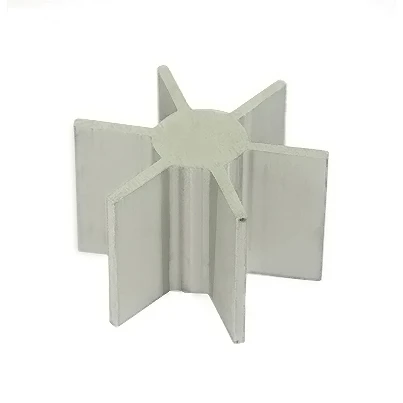








Đúc là một quy trình sản xuất bao gồm việc rót kim loại nóng chảy vào khoang khuôn, tại đó kim loại sẽ đông cứng khi nguội để tạo thành các chi tiết cụ thể. Công nghệ này đặc biệt phù hợp để sản xuất các chi tiết đòi hỏi độ bền, độ cứng và hình dạng phức tạp, với các ứng dụng điển hình bao gồm khối động cơ, thân bơm thủy lực, van công nghiệp, vỏ thiết bị và các bộ phận máy móc kỹ thuật hạng nặng.
Dịch vụ đúc toàn diện của chúng tôi bao gồm các vật liệu sau:
Gang: Gang xám (HT200, HT250, HT300), gang dẻo (QT500-7, QT400-15, QT600-3), Hợp kim gang xám (HTMBCuCr-250)
Nhôm đúc: Hợp kim nhôm (ZL101, ZL104, ZL110, v.v.)
Thép đúc: Thép cacbon (ZG200-400, ZG230-450, ZG270-500, v.v.) Thép hợp kim (G20Mn5, ZG20CrMo, ZG42CrMo, GS-18NiMoCr3, ZG15CrMo, ZG40Cr, v.v.) Thép hợp kim cao (GX120Mn12)
Đúc thép không gỉ: Thép không gỉ Austenit (06Cr19Ni10, 0Cr17Ni12Mo2, v.v.)
Đúc hợp kim đồng: ZCuSn10P1, ZCuPb10Sn10, ZCuAl8Mn13Fe3, ZCuZn38, ZCuNi10Fe1Mn1, Qbe0.3-1.5, v.v.
Các vật liệu khác nhau thể hiện các đặc tính riêng biệt phù hợp với các tình huống cụ thể:
Ví dụ, Gang dẻo: Nổi tiếng với hiệu suất cơ học vượt trội, sản phẩm này được sử dụng rộng rãi trong hộp số chịu tải nặng, trục khuỷu và các bộ phận truyền động khác. Hợp kim nhôm: Được đánh giá cao vì trọng lượng nhẹ, khả năng chống ăn mòn và độ dẫn nhiệt tuyệt vời, chúng được ứng dụng rộng rãi trong ngành hàng không vũ trụ và ô tô. Thép không gỉ Austenitic: Có khả năng chống ăn mòn vượt trội, lý tưởng cho các thiết bị xử lý hóa chất và các thành phần môi trường biển.
Các quy trình đúc đa dạng để đáp ứng các nhu cầu khác nhau:
Ví dụ, Đúc cát:Sử dụng khuôn cát, thích hợp cho đúc từng mảnh, từng mẻ nhỏ hoặc đúc số lượng lớn. Đúc khuôn kim loại: Sử dụng khuôn kim loại bền bỉ với tuổi thọ cao, lý tưởng cho các linh kiện sản xuất hàng loạt. Đúc áp lực: Đúc khuôn áp suất cao và đúc áp suất thấp, tối ưu hóa cho các bộ phận hợp kim nhôm. Đúc chính xác (ví dụ: Đúc mẫu chảy): Sản xuất các bộ phận phức tạp với bề mặt hoàn thiện cao và độ chính xác về kích thước. Đúc bọt bị mất: Sử dụng các mẫu bọt để tạo ra các sản phẩm đúc có cấu trúc phức tạp, quy mô lớn. Đúc ly tâm: Một phương pháp đúc sử dụng khuôn và lực ly tâm để tạo ra vật đúc rỗng hoặc hình ống. Quy trình này đặc biệt phù hợp để sản xuất các chi tiết hình trụ hoặc hình khuyên, chẳng hạn như ống, ống lót xi lanh, ống lót và các bộ phận kết cấu hình vòng. Lực ly tâm đảm bảo phân phối vật liệu đồng đều và cải thiện các đặc tính luyện kim trong sản phẩm cuối cùng.In 3D: Cho phép tạo mẫu nhanh và tùy chỉnh hàng loạt nhỏ.
Hệ thống đảm bảo chất lượng:
Vật liệual Kiểm tra:Được trang bị máy quang phổ, máy thử độ bền kéo, máy thử độ cứng và máy phân tích nhanh phía trước lò. Kiểm soát kích thước:Sử dụng các công cụ đo lường chính xác, đồng hồ đo và thiết bị kiểm tra tiên tiến. Hậu xử lý: Xử lý bề mặt: Sơn phun, sơn tĩnh điện, v.v. Xử lý nhiệt: Làm nguội, ram và các quy trình khác để tăng cường các tính chất cơ học.
Dịch vụ sản xuất tích hợp:
Chúng tôi cung cấp các giải pháp trọn gói từ đúc đến thành phẩm, bao gồm gia công chính xác, lắp ráp và hậu xử lý tùy chỉnh. Hebei Windzone cam kết cung cấp các sản phẩm đúc chất lượng cao, hiệu suất cao, đáp ứng hoặc vượt quá mong đợi của khách hàng.
Để biết thêm thông tin chi tiết về sản phẩm hoặc thảo luận kỹ thuật, vui lòng liên hệ. Chúng tôi hoan nghênh các yêu cầu tìm hiểu cơ hội hợp tác.
Sản phẩm gang


Sản phẩm thép đúc


Sản phẩm thép không gỉ đúc


Sản phẩm nhôm đúc


Sản phẩm đồng đúc


" biên giới="0" chiều rộng="947" chiều cao="710" />
What are casting parts?
Casting parts are components produced by pouring molten material, usually metal or plastic, into a mold where it solidifies into a specific shape. This manufacturing process, known as casting, is one of the oldest and most widely used methods for creating complex shapes and parts with high precision. Casting allows the production of components that would be difficult, expensive, or even impossible to make using other manufacturing methods such as machining or forging.
The main materials used for casting parts are metals like iron, steel, aluminum, copper, and their alloys, as well as polymers and resins for plastic parts. Each material has its own properties, which determine the performance, strength, and application of the final part. For example, aluminum castings are lightweight and corrosion-resistant, making them ideal for automotive and aerospace applications, while steel castings offer high strength for heavy machinery and structural components.
The casting process begins with the creation of a mold, which defines the shape of the part. There are various casting methods, including sand casting, die casting, investment casting, and centrifugal casting. Sand casting is widely used for large and complex shapes, while die casting is suitable for high-volume production with excellent surface finish and dimensional accuracy. Investment casting, also called lost-wax casting, is used to create intricate and precise components. Centrifugal casting is often applied for cylindrical parts such as pipes and bearings.
Casting parts are valued for their ability to produce complex geometries with internal cavities, thin walls, and intricate details that may be difficult to achieve with other methods. They also reduce material waste, as excess material can often be reused. After casting, parts may undergo finishing processes such as machining, heat treatment, polishing, or coating to meet specific quality and performance requirements.
In modern industry, casting parts are used across a wide range of sectors, including automotive, aerospace, construction, electronics, and energy. From engine blocks and turbine blades to pump housings and decorative items, casting provides the versatility and efficiency needed to manufacture both functional and aesthetic components. Its combination of flexibility, cost-effectiveness, and precision makes casting an essential technique in manufacturing.
Difference Between Cast Iron and Cast Steel
Cast iron and cast steel are both widely used ferrous materials produced through casting, but they differ significantly in composition, properties, and applications. Understanding these differences is essential for selecting the right material for engineering and manufacturing purposes.
Composition is one of the main distinctions. Cast iron contains a higher carbon content, typically between 2% and 4%, along with silicon and trace elements. This high carbon content gives cast iron its characteristic hardness and brittleness. Cast steel, on the other hand, contains much less carbon, usually between 0.1% and 1.5%, along with other alloying elements such as manganese, nickel, or chromium. The lower carbon content makes cast steel tougher and more ductile than cast iron.
Mechanical properties also differ. Cast iron is hard, wear-resistant, and has excellent compressive strength, but it is relatively brittle and weak in tension or impact. This makes it suitable for parts where rigidity and wear resistance are important, such as engine blocks, pipes, and machinery bases. Cast steel is stronger in tension, tougher, and less brittle, which allows it to withstand shocks and heavy loads. It is commonly used in structural components, gears, crankshafts, and pressure vessels.
Casting characteristics vary as well. Cast iron melts at a lower temperature than cast steel, making it easier and less expensive to cast. It also solidifies with minimal shrinkage and can reproduce fine details, which is why sand casting is frequently used for cast iron parts. Cast steel requires higher temperatures, and controlling shrinkage and defects is more challenging, often requiring more precise molds and controlled cooling processes.
Applications are determined by these differences. Cast iron is ideal for components where rigidity, vibration damping, and wear resistance are critical, such as engine blocks, brake drums, and pipes. Cast steel is chosen for parts requiring high strength, toughness, and durability under stress, including pressure vessels, structural beams, and heavy-duty machinery parts.
In summary, while both cast iron and cast steel are produced through casting, cast iron is carbon-rich, brittle, and ideal for wear-resistant components, whereas cast steel is stronger, tougher, and suitable for high-stress applications. Selecting between them depends on the mechanical requirements, cost, and intended use of the component.
What are steel castings used for?
Uses of Steel Castings
Automotive Industry
Steel castings are used in engine components, transmission parts, crankshafts, gears, and suspension parts. Their high strength and fatigue resistance make them ideal for parts that experience constant stress and wear.
Aerospace Industry
Steel castings are used in aircraft landing gears, turbine shafts, structural supports, and engine parts. The toughness and reliability of steel ensure safety in high-stress and high-temperature environments.
Construction and Infrastructure
Steel castings are employed in bridges, heavy machinery, cranes, and structural components. Their ability to bear heavy loads and resist impact makes them suitable for critical infrastructure.
Energy Sector
In power generation, steel castings are used for turbine housings, valves, pump components, and nuclear reactor parts. They can withstand high pressure, temperature, and corrosive conditions.
Mining and Industrial Machinery
Steel castings are used for crusher parts, gears, rollers, and other heavy-duty machinery components. They offer wear resistance, impact resistance, and durability, which are essential in harsh industrial environments.
Marine Applications
Marine engines, propeller shafts, and other structural parts are often made of steel castings due to their strength and resistance to fatigue in fluctuating loads and marine conditions.
Steel castings are preferred when high strength, toughness, fatigue resistance, and durability are required. They are widely used in automotive, aerospace, energy, construction, mining, and marine applications. By enabling complex shapes and reducing machining needs, steel casting combines efficiency with performance, making it a cornerstone of modern manufacturing.