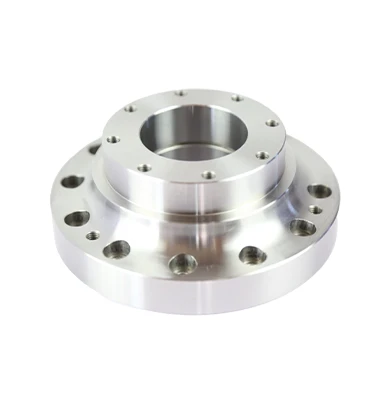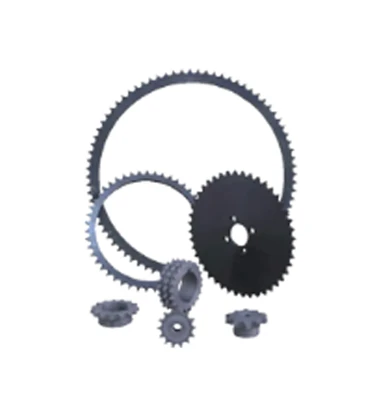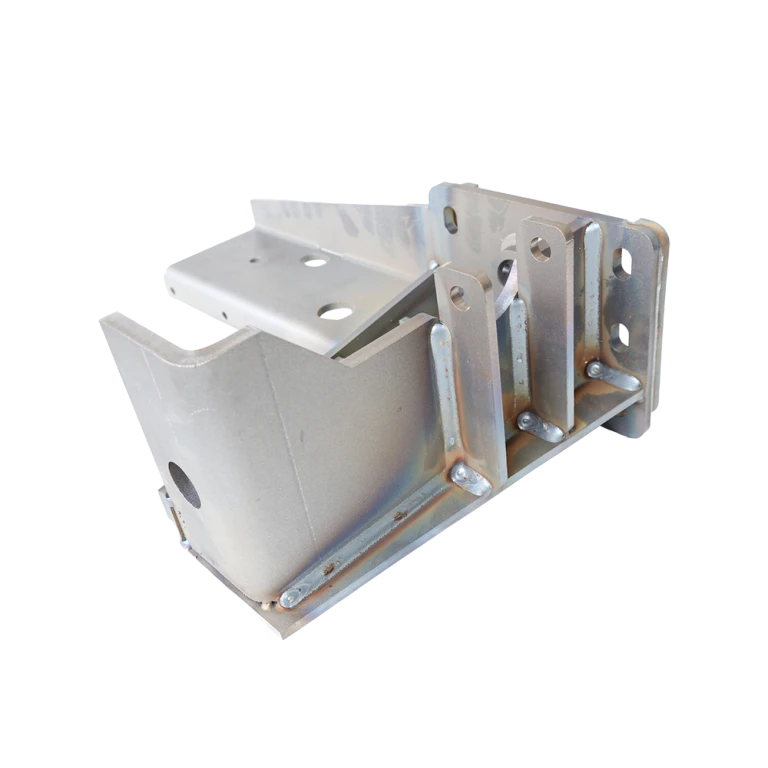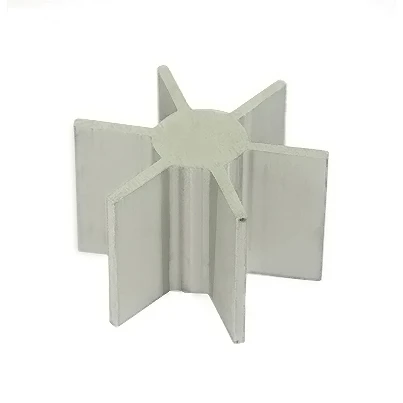








Inatuma ni mchakato wa utengenezaji unaohusisha kumwaga chuma kilichoyeyushwa kwenye tundu la ukungu, ambapo huganda inapopozwa na kuunda vipengee mahususi. Teknolojia hii inafaa hasa kwa ajili ya kutengeneza sehemu zinazohitaji nguvu, uimara na jiometri changamano, zenye matumizi ya kawaida ikiwa ni pamoja na vizuizi vya injini, miili ya pampu ya majimaji, vali za viwandani, kabati za vifaa na vipengee vya uhandisi wa kazi nzito.
Huduma zetu za Kina za Utumaji zinashughulikia Nyenzo Zifuatazo:
Chuma cha Kutupwa: Iron ya kijivu (HT200, HT250, HT300), chuma cha ductile (QT500-7, QT400-15, QT600-3), Aloi ya chuma ya kijivu (HTMBCr-250)
Alumini ya kutupwaAloi za alumini (ZL101, ZL104, ZL110 n.k.)
Chuma cha Kutupwa: Chuma cha kaboni (ZG200-400, ZG230-450, ZG270-500, n.k.) Aloi ya chuma (G20Mn5, ZG20CrMo, ZG42CrMo, GS-18NiMoCr3, ZG15CrMo, ZG40Cr, ZG40Cr, 10M High-X2)
Utoaji wa Chuma cha pua: Chuma cha pua cha Austenitic (06Cr19Ni10, 0Cr17Ni12Mo2 n.k.)
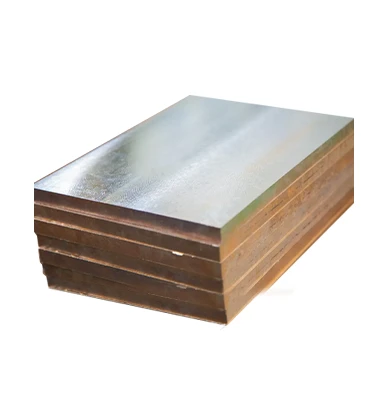
Matangazo ya Aloi ya Shaba: ZCuSn10P1, ZCuPb10Sn10, ZCuAl8Mn13Fe3, ZCuZn38, ZCuNi10Fe1Mn1, Qbe0.3-1.5, nk.
Nyenzo tofauti zinaonyesha mali ya kipekee iliyoundwa na hali maalum:
Kwa mfano, Chuma cha Ductile: Inajulikana kwa utendakazi wake wa hali ya juu wa kimitambo, hutumiwa sana katika sanduku za gia za kazi nzito, crankshafts na vipengee vingine vya treni ya nguvu. Aloi za Alumini: Zinathaminiwa kwa uzani wao mwepesi, upinzani wa kutu, na upitishaji bora wa mafuta, hutumiwa sana katika tasnia ya anga na ya magari. Chuma cha pua cha Austenitic: Hutoa upinzani wa kipekee wa kutu, na kuifanya kuwa bora kwa vifaa vya usindikaji kemikali na vipengele vya mazingira ya baharini.
Taratibu Mbalimbali za Kutuma Ili Kukidhi Mahitaji Mbalimbali:
Kwa mfano, Mchanga Casting: Hutumia viunzi vya mchanga, vinavyofaa kwa kipande kimoja, bechi ndogo, au kutupwa kwa kiwango kikubwa. Utoaji wa Mold ya Metal: Huajiri molds za chuma za kudumu na maisha ya huduma ya kupanuliwa, bora kwa vipengele vinavyozalishwa kwa wingi. Utoaji wa Shinikizo: Utumaji wa Kufa kwa shinikizo la Juu na Utumaji wa Shinikizo la Chini, Imeboreshwa kwa sehemu za aloi ya alumini. Usahihi Casting (kwa mfano, Utumaji Uwekezaji): Hutoa sehemu changamano zilizo na umaliziaji wa juu wa uso na usahihi wa vipimo. Utoaji wa Povu Uliopotea: Hutumia mifumo ya povu kuunda uigizaji wa hali ya juu, wenye muundo tata. Utoaji wa Centrifugal: Njia ya utupaji ambayo hutumia ukungu na nguvu ya katikati kutoa utunzi usio na mashimo au neli. Utaratibu huu unafaa hasa kwa ajili ya kutengeneza sehemu za silinda au za mwaka, kama vile mabomba, mjengo wa silinda, vichaka, na vipengele vya miundo yenye umbo la pete. Nguvu ya centrifugal inahakikisha usambazaji wa nyenzo sawa na mali iliyoimarishwa ya metallurgiska katika bidhaa ya mwisho.Uchapishaji wa 3D: Huwasha uigaji wa haraka na ubinafsishaji wa bechi ndogo.
Mifumo ya Uhakikisho wa Ubora:
Nyenzoal Upimaji: Ina vifaa vya kupima spectromita, mashine za kupima nguvu, vipima ugumu, na vichanganuzi vya haraka vya mbele ya tanuru. Udhibiti wa Dimensional: Hutumia zana za kupima usahihi, geji na vifaa vya ukaguzi wa hali ya juu. Baada ya Usindikaji: Matibabu ya uso: Upakaji wa dawa, mipako ya poda, nk. Matibabu ya Joto: Kuzima, kutuliza, na michakato mingine ili kuongeza sifa za mitambo.
Huduma Jumuishi za Utengenezaji:
Tunatoa suluhu za kuanzia mwisho hadi mwisho kutoka kwa utumaji hadi bidhaa zilizokamilishwa, ikijumuisha uchakataji kwa usahihi, usanifu, na uchakataji maalum wa baada ya usindikaji. Hebei Windzone imejitolea kutoa maonyesho ya ubora wa juu na ya utendakazi ambayo yanakidhi au kuzidi matarajio ya wateja.
Kwa maelezo ya kina kuhusu bidhaa au majadiliano ya kiufundi, tafadhali jisikie huru kuwasiliana nawe. Tunakaribisha maswali ili kuchunguza fursa za ushirikiano.
Bidhaa za Iron


Bidhaa za Steel


Tuma Bidhaa za Chuma cha pua


Bidhaa za Aluminium


Bidhaa za Copper


" border="0" width="947" height="710" />
What are casting parts?
Casting parts are components produced by pouring molten material, usually metal or plastic, into a mold where it solidifies into a specific shape. This manufacturing process, known as casting, is one of the oldest and most widely used methods for creating complex shapes and parts with high precision. Casting allows the production of components that would be difficult, expensive, or even impossible to make using other manufacturing methods such as machining or forging.
The main materials used for casting parts are metals like iron, steel, aluminum, copper, and their alloys, as well as polymers and resins for plastic parts. Each material has its own properties, which determine the performance, strength, and application of the final part. For example, aluminum castings are lightweight and corrosion-resistant, making them ideal for automotive and aerospace applications, while steel castings offer high strength for heavy machinery and structural components.
The casting process begins with the creation of a mold, which defines the shape of the part. There are various casting methods, including sand casting, die casting, investment casting, and centrifugal casting. Sand casting is widely used for large and complex shapes, while die casting is suitable for high-volume production with excellent surface finish and dimensional accuracy. Investment casting, also called lost-wax casting, is used to create intricate and precise components. Centrifugal casting is often applied for cylindrical parts such as pipes and bearings.
Casting parts are valued for their ability to produce complex geometries with internal cavities, thin walls, and intricate details that may be difficult to achieve with other methods. They also reduce material waste, as excess material can often be reused. After casting, parts may undergo finishing processes such as machining, heat treatment, polishing, or coating to meet specific quality and performance requirements.
In modern industry, casting parts are used across a wide range of sectors, including automotive, aerospace, construction, electronics, and energy. From engine blocks and turbine blades to pump housings and decorative items, casting provides the versatility and efficiency needed to manufacture both functional and aesthetic components. Its combination of flexibility, cost-effectiveness, and precision makes casting an essential technique in manufacturing.
Difference Between Cast Iron and Cast Steel
Cast iron and cast steel are both widely used ferrous materials produced through casting, but they differ significantly in composition, properties, and applications. Understanding these differences is essential for selecting the right material for engineering and manufacturing purposes.
Composition is one of the main distinctions. Cast iron contains a higher carbon content, typically between 2% and 4%, along with silicon and trace elements. This high carbon content gives cast iron its characteristic hardness and brittleness. Cast steel, on the other hand, contains much less carbon, usually between 0.1% and 1.5%, along with other alloying elements such as manganese, nickel, or chromium. The lower carbon content makes cast steel tougher and more ductile than cast iron.
Mechanical properties also differ. Cast iron is hard, wear-resistant, and has excellent compressive strength, but it is relatively brittle and weak in tension or impact. This makes it suitable for parts where rigidity and wear resistance are important, such as engine blocks, pipes, and machinery bases. Cast steel is stronger in tension, tougher, and less brittle, which allows it to withstand shocks and heavy loads. It is commonly used in structural components, gears, crankshafts, and pressure vessels.
Casting characteristics vary as well. Cast iron melts at a lower temperature than cast steel, making it easier and less expensive to cast. It also solidifies with minimal shrinkage and can reproduce fine details, which is why sand casting is frequently used for cast iron parts. Cast steel requires higher temperatures, and controlling shrinkage and defects is more challenging, often requiring more precise molds and controlled cooling processes.
Applications are determined by these differences. Cast iron is ideal for components where rigidity, vibration damping, and wear resistance are critical, such as engine blocks, brake drums, and pipes. Cast steel is chosen for parts requiring high strength, toughness, and durability under stress, including pressure vessels, structural beams, and heavy-duty machinery parts.
In summary, while both cast iron and cast steel are produced through casting, cast iron is carbon-rich, brittle, and ideal for wear-resistant components, whereas cast steel is stronger, tougher, and suitable for high-stress applications. Selecting between them depends on the mechanical requirements, cost, and intended use of the component.
What are steel castings used for?
Uses of Steel Castings
Automotive Industry
Steel castings are used in engine components, transmission parts, crankshafts, gears, and suspension parts. Their high strength and fatigue resistance make them ideal for parts that experience constant stress and wear.
Aerospace Industry
Steel castings are used in aircraft landing gears, turbine shafts, structural supports, and engine parts. The toughness and reliability of steel ensure safety in high-stress and high-temperature environments.
Construction and Infrastructure
Steel castings are employed in bridges, heavy machinery, cranes, and structural components. Their ability to bear heavy loads and resist impact makes them suitable for critical infrastructure.
Energy Sector
In power generation, steel castings are used for turbine housings, valves, pump components, and nuclear reactor parts. They can withstand high pressure, temperature, and corrosive conditions.
Mining and Industrial Machinery
Steel castings are used for crusher parts, gears, rollers, and other heavy-duty machinery components. They offer wear resistance, impact resistance, and durability, which are essential in harsh industrial environments.
Marine Applications
Marine engines, propeller shafts, and other structural parts are often made of steel castings due to their strength and resistance to fatigue in fluctuating loads and marine conditions.
Steel castings are preferred when high strength, toughness, fatigue resistance, and durability are required. They are widely used in automotive, aerospace, energy, construction, mining, and marine applications. By enabling complex shapes and reducing machining needs, steel casting combines efficiency with performance, making it a cornerstone of modern manufacturing.