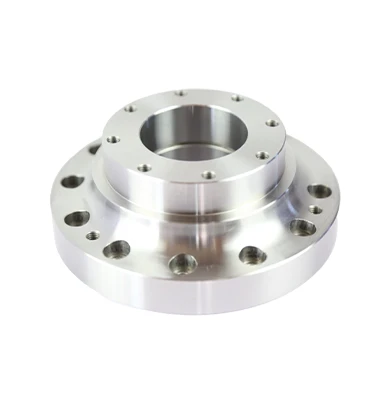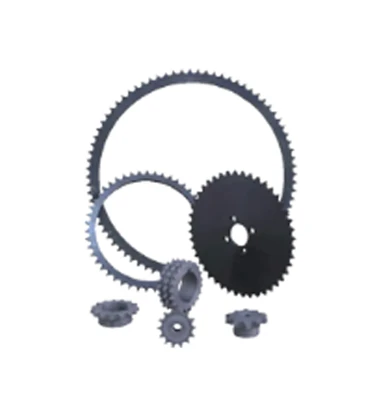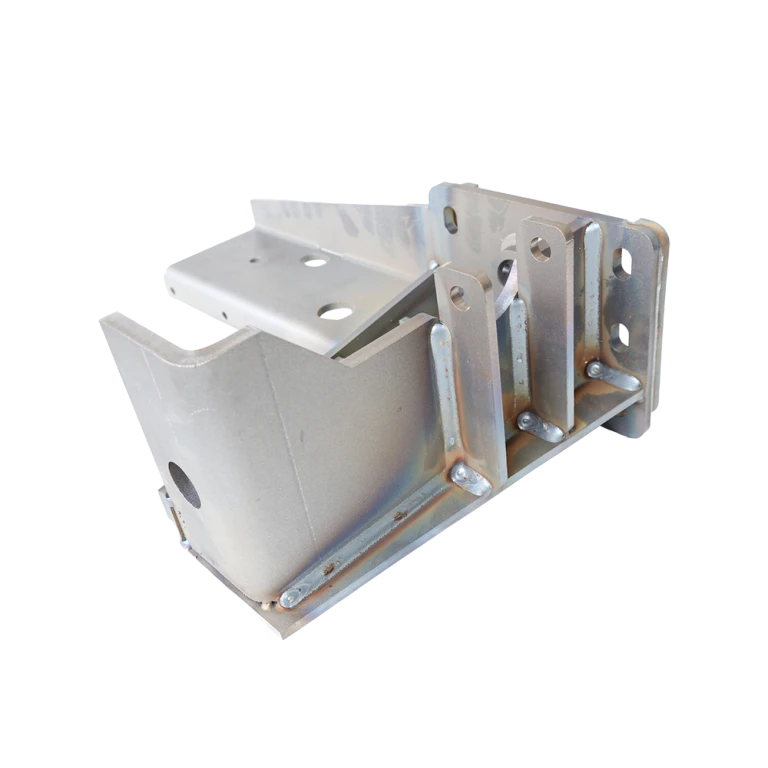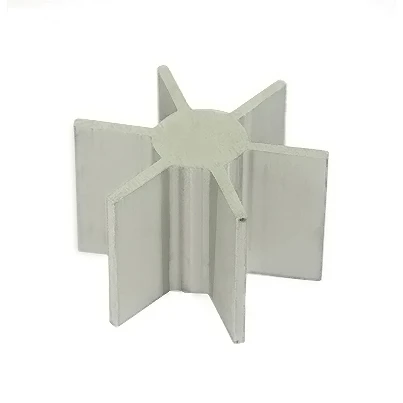








Fusione è un processo di produzione che prevede la colata di metallo fuso in una cavità dello stampo, dove si solidifica raffreddandosi per formare componenti specifici. Questa tecnologia è particolarmente adatta alla produzione di componenti che richiedono resistenza, durata e geometrie complesse, con applicazioni tipiche tra cui blocchi motore, corpi di pompe idrauliche, valvole industriali, involucri di apparecchiature e componenti di macchinari per impieghi gravosi.
I nostri servizi completi di fusione coprono i seguenti materiali:
Ghisa: Ghisa grigia (HT200, HT250, HT300), ghisa duttile (QT500-7, QT400-15, QT600-3), ghisa grigia legata (HTMBCuCr-250)
Alluminio pressofuso: Leghe di alluminio (ZL101, ZL104, ZL110 ecc.)
Acciaio fuso: Acciaio al carbonio (ZG200-400, ZG230-450, ZG270-500, ecc.) Acciaio legato (G20Mn5, ZG20CrMo, ZG42CrMo, GS-18NiMoCr3, ZG15CrMo, ZG40Cr, ecc.) Acciaio altolegato (GX120Mn12)
Getti in acciaio inossidabile: Acciaio inossidabile austenitico (06Cr19Ni10, 0Cr17Ni12Mo2 ecc.)
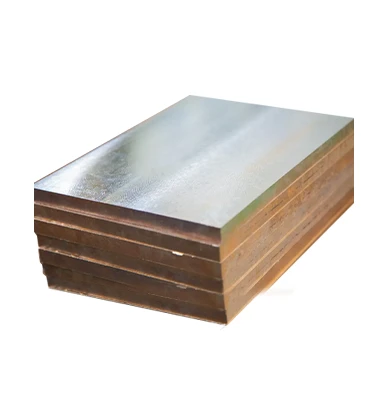
Getti in lega di rame: ZCuSn10P1, ZCuPb10Sn10, ZCuAl8Mn13Fe3, ZCuZn38, ZCuNi10Fe1Mn1, Qbe0.3-1.5, ecc.
Materiali diversi presentano proprietà uniche adatte a scenari specifici:
Per esempio, Ghisa duttile: Rinomato per le sue prestazioni meccaniche superiori, è ampiamente utilizzato nei cambi per impieghi gravosi, negli alberi motore e in altri componenti del gruppo propulsore. Leghe di alluminio: Apprezzati per la loro leggerezza, resistenza alla corrosione ed eccellente conduttività termica, trovano ampia applicazione nei settori aerospaziale e automobilistico. Acciaio inossidabile austenitico: Offre un'eccezionale resistenza alla corrosione, rendendolo ideale per apparecchiature di lavorazione chimica e componenti per l'ambiente marino.
Diversi processi di fusione per soddisfare esigenze diverse:
Per esempio, Fusione in sabbia: Utilizza stampi in sabbia, adatti per fusioni monoblocco, in piccoli lotti o su larga scala. Fusione in stampi metallici: Utilizza stampi metallici resistenti con lunga durata, ideali per componenti prodotti in serie. Colata a pressione: Pressofusione ad alta pressione e fusione a bassa pressione, ottimizzate per parti in lega di alluminio. Fusione di precisione (ad esempio, fusione a cera persa): produce parti complesse con elevata finitura superficiale e precisione dimensionale. Fusione a schiuma persa: Utilizza modelli in schiuma per creare calchi di grandi dimensioni e dalla struttura intricata. Fusione centrifuga: Un metodo di fusione che utilizza stampi e forza centrifuga per produrre getti cavi o tubolari. Questo processo è particolarmente adatto per la produzione di parti cilindriche o anulari, come tubi, camicie di cilindri, boccole ed elementi strutturali anulari. La forza centrifuga garantisce una distribuzione uniforme del materiale e migliori proprietà metallurgiche nel prodotto finale.Stampa 3D: Consente la prototipazione rapida e la personalizzazione di piccoli lotti.
Sistemi di garanzia della qualità:
Materialetest al: Dotato di spettrometri, macchine per prove di trazione, durometri e analizzatori rapidi per forni frontali. Controllo dimensionale: Utilizza strumenti di misurazione di precisione, calibri e apparecchiature di ispezione avanzate. Post-elaborazione: Trattamenti superficiali: verniciatura a spruzzo, rivestimento a polvere, ecc. Trattamenti termici: tempra, rinvenimento e altri processi per migliorare le proprietà meccaniche.
Servizi di produzione integrati:
Forniamo soluzioni complete, dalla fusione al prodotto finito, includendo lavorazioni meccaniche di precisione, assemblaggio e post-lavorazione personalizzata. Hebei Windzone si impegna a fornire fusioni di alta qualità e ad alte prestazioni che soddisfino o superino le aspettative dei clienti.
Per informazioni dettagliate sui prodotti o per discussioni tecniche, non esitate a contattarci. Accogliamo volentieri richieste per valutare opportunità di collaborazione.
Prodotti in ghisa


Prodotti in acciaio fuso


Prodotti in acciaio inossidabile fuso


Prodotti in alluminio pressofuso


Prodotti in rame fuso


" bordo="0" larghezza="947" altezza="710" />
What are casting parts?
Casting parts are components produced by pouring molten material, usually metal or plastic, into a mold where it solidifies into a specific shape. This manufacturing process, known as casting, is one of the oldest and most widely used methods for creating complex shapes and parts with high precision. Casting allows the production of components that would be difficult, expensive, or even impossible to make using other manufacturing methods such as machining or forging.
The main materials used for casting parts are metals like iron, steel, aluminum, copper, and their alloys, as well as polymers and resins for plastic parts. Each material has its own properties, which determine the performance, strength, and application of the final part. For example, aluminum castings are lightweight and corrosion-resistant, making them ideal for automotive and aerospace applications, while steel castings offer high strength for heavy machinery and structural components.
The casting process begins with the creation of a mold, which defines the shape of the part. There are various casting methods, including sand casting, die casting, investment casting, and centrifugal casting. Sand casting is widely used for large and complex shapes, while die casting is suitable for high-volume production with excellent surface finish and dimensional accuracy. Investment casting, also called lost-wax casting, is used to create intricate and precise components. Centrifugal casting is often applied for cylindrical parts such as pipes and bearings.
Casting parts are valued for their ability to produce complex geometries with internal cavities, thin walls, and intricate details that may be difficult to achieve with other methods. They also reduce material waste, as excess material can often be reused. After casting, parts may undergo finishing processes such as machining, heat treatment, polishing, or coating to meet specific quality and performance requirements.
In modern industry, casting parts are used across a wide range of sectors, including automotive, aerospace, construction, electronics, and energy. From engine blocks and turbine blades to pump housings and decorative items, casting provides the versatility and efficiency needed to manufacture both functional and aesthetic components. Its combination of flexibility, cost-effectiveness, and precision makes casting an essential technique in manufacturing.
Difference Between Cast Iron and Cast Steel
Cast iron and cast steel are both widely used ferrous materials produced through casting, but they differ significantly in composition, properties, and applications. Understanding these differences is essential for selecting the right material for engineering and manufacturing purposes.
Composition is one of the main distinctions. Cast iron contains a higher carbon content, typically between 2% and 4%, along with silicon and trace elements. This high carbon content gives cast iron its characteristic hardness and brittleness. Cast steel, on the other hand, contains much less carbon, usually between 0.1% and 1.5%, along with other alloying elements such as manganese, nickel, or chromium. The lower carbon content makes cast steel tougher and more ductile than cast iron.
Mechanical properties also differ. Cast iron is hard, wear-resistant, and has excellent compressive strength, but it is relatively brittle and weak in tension or impact. This makes it suitable for parts where rigidity and wear resistance are important, such as engine blocks, pipes, and machinery bases. Cast steel is stronger in tension, tougher, and less brittle, which allows it to withstand shocks and heavy loads. It is commonly used in structural components, gears, crankshafts, and pressure vessels.
Casting characteristics vary as well. Cast iron melts at a lower temperature than cast steel, making it easier and less expensive to cast. It also solidifies with minimal shrinkage and can reproduce fine details, which is why sand casting is frequently used for cast iron parts. Cast steel requires higher temperatures, and controlling shrinkage and defects is more challenging, often requiring more precise molds and controlled cooling processes.
Applications are determined by these differences. Cast iron is ideal for components where rigidity, vibration damping, and wear resistance are critical, such as engine blocks, brake drums, and pipes. Cast steel is chosen for parts requiring high strength, toughness, and durability under stress, including pressure vessels, structural beams, and heavy-duty machinery parts.
In summary, while both cast iron and cast steel are produced through casting, cast iron is carbon-rich, brittle, and ideal for wear-resistant components, whereas cast steel is stronger, tougher, and suitable for high-stress applications. Selecting between them depends on the mechanical requirements, cost, and intended use of the component.
What are steel castings used for?
Uses of Steel Castings
Automotive Industry
Steel castings are used in engine components, transmission parts, crankshafts, gears, and suspension parts. Their high strength and fatigue resistance make them ideal for parts that experience constant stress and wear.
Aerospace Industry
Steel castings are used in aircraft landing gears, turbine shafts, structural supports, and engine parts. The toughness and reliability of steel ensure safety in high-stress and high-temperature environments.
Construction and Infrastructure
Steel castings are employed in bridges, heavy machinery, cranes, and structural components. Their ability to bear heavy loads and resist impact makes them suitable for critical infrastructure.
Energy Sector
In power generation, steel castings are used for turbine housings, valves, pump components, and nuclear reactor parts. They can withstand high pressure, temperature, and corrosive conditions.
Mining and Industrial Machinery
Steel castings are used for crusher parts, gears, rollers, and other heavy-duty machinery components. They offer wear resistance, impact resistance, and durability, which are essential in harsh industrial environments.
Marine Applications
Marine engines, propeller shafts, and other structural parts are often made of steel castings due to their strength and resistance to fatigue in fluctuating loads and marine conditions.
Steel castings are preferred when high strength, toughness, fatigue resistance, and durability are required. They are widely used in automotive, aerospace, energy, construction, mining, and marine applications. By enabling complex shapes and reducing machining needs, steel casting combines efficiency with performance, making it a cornerstone of modern manufacturing.