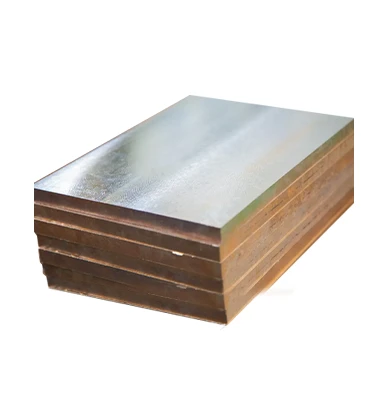







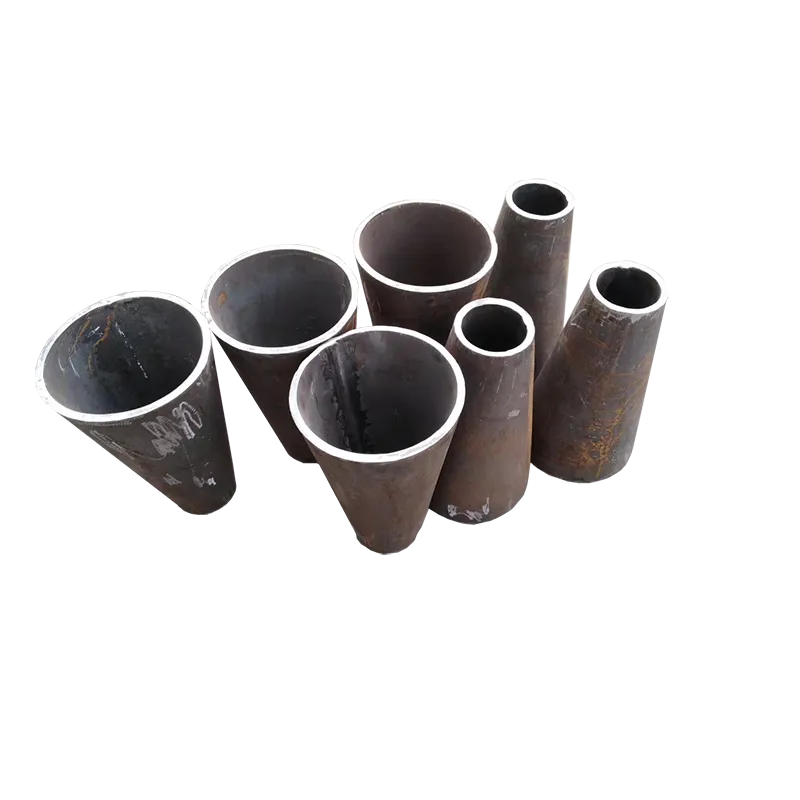


Processo JCOE:
Attrezzature esistenti: 3 macchine formatrici (16000 tonnellate x 12 metri, 6000 tonnellate x 16 metri, 10000 tonnellate x 12,5 metri).
Il diametro dei tubi finiti varia da 300 a 1350 mm, con un solo cordone di saldatura longitudinale. Lo spessore delle lamiere lavorate varia da 10 a 90 mm. La lunghezza dei tubi lavorati può arrivare fino a 16000 mm.
Per tubi con diametri compresi tra 1000 e 2500 mm, sono presenti due cordoni di saldatura longitudinali. Anche lo spessore delle lamiere lavorate varia da 10 a 90 mm. La lunghezza dei tubi lavorati può arrivare fino a 16000 mm.
Per tubi con diametri compresi tra 1000 e 2500 mm, sono presenti due cordoni di saldatura longitudinali. Anche lo spessore delle lamiere lavorate varia da 10 a 90 mm. La lunghezza dei tubi lavorati può arrivare fino a 16000 mm.
Processo di tubi a spirale:
Attrezzature esistenti: 2 macchine per tubi in bobina (120 mm x 4000 mm, 180 mm x 4000 mm). Il diametro dei tubi finiti varia da 1100 a 3000 mm, con un solo cordone di saldatura. Lo spessore delle lamiere lavorate può arrivare fino a 180 mm. La lunghezza dei tubi lavorati può arrivare fino a 4000 mm.
Applicazioni: Ampiamente utilizzato in settori quali petrolio e gas naturale, cantieristica navale, ingegneria strutturale, strutture marine, macchinari e attrezzature, produzione di energia e strutture di intrattenimento.


What is welded pipe used for?
Welded pipes are versatile and widely used in a variety of industries due to their strength, reliability, and cost-effectiveness. They are made by rolling metal sheets or strips into a cylindrical shape and then joining the edges using welding techniques such as electric resistance welding (ERW) or submerged arc welding (SAW). This manufacturing method allows welded pipes to be produced in a wide range of diameters, wall thicknesses, and lengths, making them suitable for both industrial and residential applications.
One of the primary uses of welded pipes is in the transportation of fluids and gases. They are extensively used in water supply systems, oil and gas pipelines, chemical processing, and sewage networks because they can handle high pressures and resist corrosion when properly coated or alloyed. Their uniform structure and tight seams ensure minimal leakage and long-term durability, which is essential for safe and efficient fluid transport.
Welded pipes are also widely employed in construction and structural applications. They are used as scaffolding, handrails, structural supports, and columns, providing strength and stability while being lighter and easier to handle than some alternative materials. In industrial settings, welded pipes serve as conduits for air, steam, and industrial gases, as well as in heat exchangers, boilers, and mechanical systems.
Additionally, welded pipes find applications in automotive, agricultural, and marine industries. They are used for chassis frameworks, irrigation systems, and marine piping due to their adaptability, high strength-to-weight ratio, and ease of fabrication. The ability to produce customized sizes and shapes allows welded pipes to meet specific engineering requirements across diverse fields.
In summary, welded pipes are used for transporting liquids and gases, structural support, industrial systems, and specialized applications in automotive and marine industries. Their strength, versatility, and cost-efficiency make them an essential material in modern infrastructure, manufacturing, and engineering projects.
Welded tubes sizes
Welded tubes are highly versatile metal products widely used in industrial, construction, automotive, and engineering applications due to their strength, precision, and cost-effectiveness. They are manufactured by rolling metal sheets or strips into a tubular shape and joining the edges using welding techniques, such as electric resistance welding (ERW) or submerged arc welding (SAW). This process allows welded tubes to be produced in a wide variety of sizes, wall thicknesses, and lengths, meeting the specific needs of different industries.
Welded tubes come in multiple shapes, including round, square, and rectangular profiles. Round welded tubes are commonly used for piping, fluid transport, and structural supports, with diameters ranging from as small as 10 mm up to 600 mm or more, depending on the application. Square and rectangular welded tubes are often used in construction, furniture, and mechanical structures, with typical dimensions ranging from 20 × 20 mm to 400 × 200 mm. The wall thickness of welded tubes varies according to load requirements, generally from 1 mm to 20 mm, providing a balance between strength and lightweight design.
The length of welded tubes is usually supplied in standard sizes such as 6 meters or 12 meters, but custom lengths are also available for specialized applications. Precision in size and consistent wall thickness make welded tubes ideal for applications requiring structural stability, fluid transport, and mechanical reliability. They are also suitable for finishing processes such as galvanization, coating, or painting to enhance corrosion resistance and durability.
In summary, welded tubes are available in a wide range of sizes and shapes, offering flexibility for piping, structural, and industrial applications. Their strength, precision, and cost-efficiency make them a preferred choice for engineers, manufacturers, and builders, ensuring reliable performance in both everyday and specialized projects.
What is the difference between seamless and welded tube?
Seamless and welded tubes are two major types of metal tubing, each with distinct manufacturing processes, mechanical properties, and applications. Understanding the differences between them is essential for selecting the right tube for industrial, structural, or fluid transport purposes.
Seamless tubes are manufactured by piercing a solid billet of metal and then stretching it over a mandrel to create a hollow tube. Because there is no welded seam, seamless tubes have uniform strength and excellent pressure-handling capabilities. They are highly resistant to stress, fatigue, and high-temperature deformation, making them ideal for critical applications such as oil and gas pipelines, high-pressure hydraulic systems, boilers, and automotive or aerospace components. The smooth internal surface of seamless tubes also improves fluid flow and reduces turbulence, which is important in chemical and process industries.
Welded tubes, on the other hand, are made by rolling metal sheets or strips into a cylindrical shape and joining the edges using welding methods such as electric resistance welding (ERW) or submerged arc welding (SAW). Welded tubes are generally more cost-effective and easier to produce in large sizes or custom lengths. While modern welding techniques produce strong joints, welded tubes may not always match the pressure or fatigue resistance of seamless tubes, especially in high-stress applications. They are widely used in construction, structural frameworks, furniture, pipelines with moderate pressure, and general manufacturing where cost and ease of production are key considerations.
The primary differences, therefore, lie in the manufacturing process, strength, pressure-handling capability, and cost. Seamless tubes offer superior mechanical performance and uniformity, while welded tubes provide economic efficiency and flexibility in size and length.
In summary, seamless tubes are preferred for high-pressure, high-stress, or critical applications, whereas welded tubes are commonly used for structural, general-purpose, and lower-pressure applications. Choosing between the two depends on the specific mechanical and economic requirements of the project.