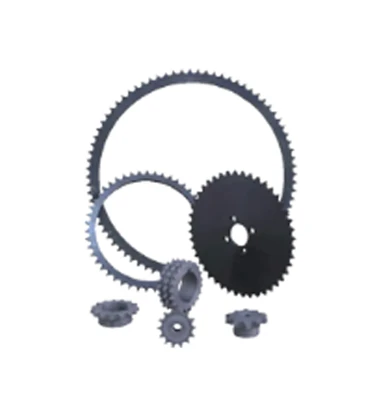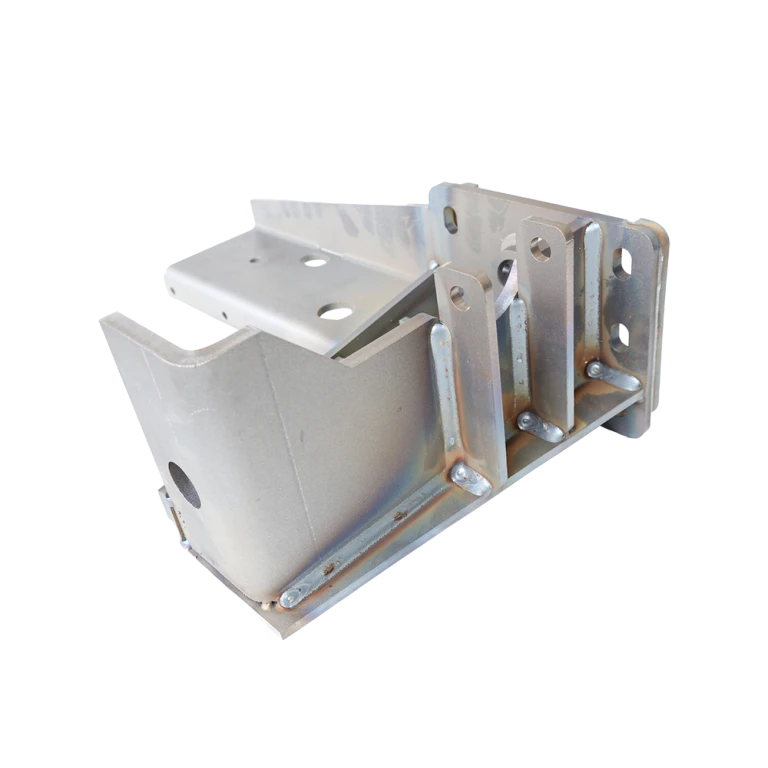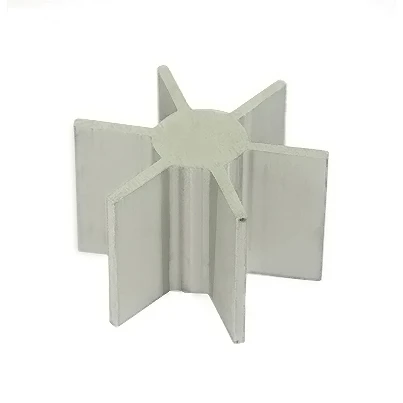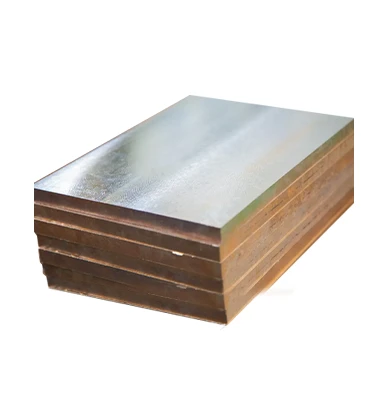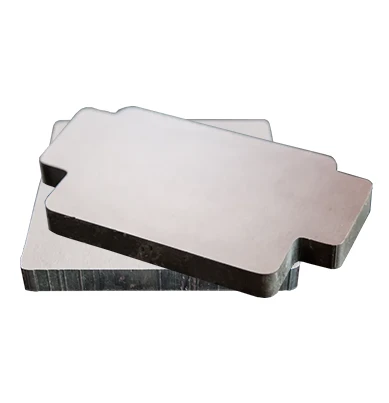








Rispetto ad altri tipi di componenti, parti lavorate sono rinomati per la loro eccezionale precisione e qualità superiore, che li rendono ideali per soddisfare i rigorosi requisiti industriali.
Le nostre capacità comprendono un'ampia gamma di tecniche, tra cui, a titolo esemplificativo ma non esaustivo: Fresatura、Girando、Perforazione e Noioso、macinazione、Elettroerosione a filo (Elettroerosione)Taglio degli ingranaggi ecc. Rimuovendo materiale da blocchi solidi (barre, piastre o pezzi forgiati), produciamo parti personalizzate, particolarmente adatte ad applicazioni che richiedono tolleranze ristrette.
I nostri componenti lavorati sono realizzati con una varietà di materiali, tra cui: Acciaio al carbonio (barre/piatti)、Acciaio legato、Forgiature、Alluminio (barre/piatti)、Acciaio inossidabile (barre/piatti)、Rame (barre/piatti)、Materie plastiche ingegneristiche (barre/piastre in nylon, PE/PP/PVC)Ghisa (Ghiera grigia/sferoidale)Acciaio fuso/Acciaio inossidabile fuso/Alluminio pressofuso/Rame fuso.
Per migliorare l'efficienza e la precisione, utilizziamo i seguenti macchinari: Piccoli torni automatici 、Centri di lavoro CNC multiasse 、Torni CNC ad alta velocità、Macchine composte di tornitura-fresatura、Centri di lavoro a portale、Unità di produzione flessibili (FMS), ecc.
Per garantire l'integrità dei materiali e la precisione dimensionale, utilizziamo i seguenti strumenti, apparecchiature e strumenti di ispezione.
Ispezione dimensionale: Macchine di misura a coordinate (CMM), proiettori ottici, misuratori di eccentricità, micrometri e misuratori di livello micron.
Qualità della superficie: Rugosimetri per verificare la finitura superficiale (possibilità di ottenere valori Ra personalizzati). Verifica dei materiali: spettrometri, durometri e macchine per prove di trazione.
Prove non distruttive (NDT): Ispezioni con liquidi penetranti e ultrasuoni.
Tra i servizi a valore aggiunto offerti rientrano il trattamento superficiale e i trattamenti termici.
Trattamenti superficiali: Placcatura (zinco/nichel/titanio) per la resistenza alla corrosione. Anodizzazione per migliorare la resistenza all'usura. Lucidatura, verniciatura, brunitura/anneritura per prevenire la ruggine e migliorare l'estetica.
Trattamenti termici: Tempra, Rinvenimento, Ricottura, Normalizzazione. Cementazione/Nitrurazione per indurimento superficiale.
L'elevata precisione dei pezzi lavorati garantisce una perfetta compatibilità tra i componenti, migliorando significativamente la precisione e la stabilità operativa delle apparecchiature. Ciò non solo aumenta l'efficienza produttiva, ma riduce anche i tassi di guasto delle apparecchiature. Pertanto, i pezzi lavorati sono ampiamente utilizzati in settori come petrolchimico, produzione di energia, alimentare e farmaceutico, cantieristica navale, ingegneria edile e attrezzature meccaniche.
Grazie alla sua vasta esperienza, Hebei Windzone è specializzata nella produzione di componenti su disegno del cliente e si impegna a fornire servizi di alta qualità. Ci impegniamo a garantire che ogni progetto soddisfi o superi le aspettative del cliente. Che il vostro ordine sia grande o piccolo, vi invitiamo a condividere i vostri disegni con noi per ulteriori discussioni.
Parti in acciaio al carbonio


Parti in acciaio inossidabile


Parti in alluminio


Parti in ghisa colata continua


Parti in rame


Parti in nylon


Tipi di parti meccaniche
Mechanical parts are the basic components used in machines to transmit motion, support loads, and control mechanical systems. They can be classified into several main types according to their functions.
First, fasteners are widely used to join different parts together. Common fasteners include bolts, nuts, screws, washers, and rivets. They allow components to be assembled and disassembled easily for maintenance or replacement. Fasteners are essential in almost all mechanical structures.
Second, power transmission parts are used to transfer energy from one component to another. Examples include shafts, gears, belts, chains, and couplings. Shafts transmit rotational motion, while gears change speed, torque, or direction. Belts and chains are often used when flexible or long-distance power transmission is required.
Third, supporting and guiding parts help maintain stability and reduce friction. Bearings, bushings, and guides belong to this category. Bearings support rotating shafts and reduce friction between moving surfaces, improving efficiency and service life of machines.
Fourth, sealing parts are designed to prevent leakage of fluids or gases. Common sealing elements include gaskets, O-rings, oil seals, and packing. These parts are especially important in hydraulic and pneumatic systems.
Finally, elastic and damping parts, such as springs and shock absorbers, are used to store energy, absorb vibration, and reduce impact. They play a key role in improving safety and comfort in mechanical systems.
Together, these mechanical parts form the foundation of modern machinery and industrial equipment.
Progettazione di parti meccaniche
Mechanical parts design is a fundamental aspect of mechanical engineering that focuses on creating components capable of performing specific functions safely, efficiently, and reliably. The design process begins with a clear understanding of functional requirements, such as load conditions, motion type, working environment, and service life. These factors determine the overall structure and performance targets of the mechanical part.
Material selection is a critical step in mechanical parts design. Engineers choose materials based on strength, stiffness, wear resistance, corrosion resistance, and cost. Common materials include carbon steel, alloy steel, aluminum alloys, plastics, and composite materials. Proper material selection ensures that the part can withstand mechanical stress while remaining economical and manufacturable.
Structural design and dimensioning are also essential. Designers must calculate stresses, strains, and safety factors to avoid failure under working loads. At the same time, they aim to minimize weight and material usage. Tolerances and surface finishes are carefully specified to ensure proper fit, smooth operation, and interchangeability of parts.
Manufacturing considerations play an important role in the design stage. A well-designed mechanical part should be easy to produce using available processes such as casting, machining, forging, or additive manufacturing. Designers must also consider assembly, maintenance, and replacement.
In addition, modern mechanical parts design increasingly relies on computer-aided design (CAD) and simulation tools. These technologies improve accuracy, reduce development time, and enhance overall product quality.
What Are The Mechanical Parts
Mechanical parts are the fundamental elements that make up machines and mechanical systems. They are designed to perform specific functions such as transmitting motion, supporting loads, reducing friction, sealing fluids, or controlling movement. Almost every machine, from simple tools to complex industrial equipment, is composed of various mechanical parts working together.
One major category of mechanical parts is fastening parts. These include bolts, nuts, screws, pins, keys, and rivets. Fasteners are used to connect different components into a complete structure. They allow machines to be assembled, disassembled, and repaired efficiently. Proper fastening ensures structural stability and safety during operation.
Another important group is power transmission parts, which transfer energy from one part of a machine to another. Common examples are shafts, gears, belts, chains, pulleys, and couplings. Shafts are used to transmit rotational motion, while gears are used to change speed, torque, or direction. Belts and chains are suitable for long-distance or flexible power transmission and are widely used in engines and conveyor systems.
Supporting and guiding parts play a key role in maintaining accuracy and reducing friction. Bearings, bushings, sliders, and guide rails belong to this category. Bearings support rotating or moving shafts and significantly reduce friction between contact surfaces, improving efficiency and extending the service life of machines.
Sealing parts are essential in systems that involve liquids or gases. Typical sealing components include gaskets, O-rings, oil seals, and mechanical seals. Their main function is to prevent leakage, maintain pressure, and protect internal components from contamination.
In addition, there are elastic and damping parts, such as springs, shock absorbers, and dampers. Springs store and release energy, control motion, and absorb shocks. Dampers reduce vibration and impact, improving the stability and comfort of mechanical systems.
Other mechanical parts include housings, frames, cams, valves, and levers, each serving specialized functions. Together, these mechanical parts form complete machines that support modern manufacturing, transportation, energy production, and daily life.