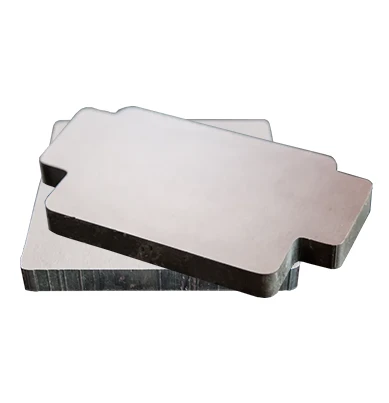








Palyginti su kitų tipų komponentais, apdirbtos dalys yra žinomi dėl savo išskirtinio tikslumo ir aukščiausios kokybės, todėl idealiai tinka griežtiems pramoniniams reikalavimams patenkinti.
Mūsų galimybės apima platų technikų spektrą, įskaitant, bet neapsiribojant Frezavimas、Tekinimas、Gręžimas ir Nuobodu、Šlifavimas、Vielos EDM (Elektroerozinis apdirbimas)Krumpliaračių pjovimas ir kt. Pašalindami medžiagą iš vientisų blokų (strypų, plokščių ar kaltinių), gaminame individualiai pritaikytas detales, ypač tinkančias taikymams, kuriems reikalingi griežti tolerancijos reikalavimai.
Mūsų apdirbti komponentai yra pagaminti iš įvairių medžiagų, įskaitant: Anglinis plienas (strypai/plokštės)Legiruotasis plienas、Kaltiniai、Aliuminis (strypai/plokštės)Nerūdijantis plienas (strypai/plokštės)Varis (strypai/plokštės)Inžineriniai plastikai (Nailono, PE/PP/PVC strypai/plokštės)Ketaus (Pilkasis/kalusis geležis)Lietas plienas/Nerūdijančio plieno liejimas/Lietas aliuminis/Lietas varis.
Siekdami padidinti efektyvumą ir tikslumą, naudojame šias mašinas: Mažos automatinės tekinimo staklės 、Daugiaašiai CNC apdirbimo centrai 、Didelės spartos CNC tekinimo staklės、Tekinimo-frezavimo staklės、Portalinių apdirbimo centrai、Lankstūs gamybos padaliniai (FMS) ir kt.
Siekdami užtikrinti medžiagos vientisumą ir matmenų tikslumą, naudojame šiuos tikrinimo įrankius, prietaisus ir įrangą.
Matmenų patikrinimas: Koordinatinės matavimo mašinos (CMM), optiniai projektoriai, išsidėstymo matuokliai, mikrometrai ir mikronų lygio matuokliai.
Paviršiaus kokybėŠiurkštumo matuokliai paviršiaus apdailai patikrinti (galima gauti individualias Ra vertes). Medžiagų tikrinimas: spektrometrai, kietumo matuokliai ir tempimo bandymo mašinos.
Neardomieji bandymai (NDT): Dažų skverbimosi ir ultragarsinė patikra.
Papildomos teikiamos pridėtinės vertės paslaugos apima paviršiaus apdorojimą ir terminį apdorojimą.
Paviršiaus apdorojimasPadengimas (cinku / nikeliu / titanu) atsparumui korozijai. Anodavimas atsparumui dilimui padidinti. Poliravimas, dažymas, melsvinimas / juodinimas apsaugai nuo rūdžių ir estetiniam vaizdui pagerinti.
Terminis apdorojimasGrūdinimas, atleidimas, atkaitinimas, normalizavimas. Įanglinimas/nitridavimas paviršiaus grūdinimui.
Didelis apdirbtų dalių tikslumas užtikrina puikų komponentų suderinamumą, žymiai pagerindamas įrangos tikslumą ir veikimo stabilumą. Tai ne tik padidina gamybos efektyvumą, bet ir sumažina įrangos gedimų skaičių. Todėl apdirbtos dalys plačiai naudojamos tokiose pramonės šakose kaip naftos chemija, elektros energijos gamyba, maisto ir farmacijos pramonė, laivų statyba, statybos inžinerija, mechaninė įranga.
Turėdama didelę patirtį, „Hebei Windzone“ specializuojasi komponentų gamyboje pagal klientų pateiktus brėžinius ir yra įsipareigojusi teikti aukštos kokybės paslaugas. Siekiame užtikrinti, kad kiekvienas projektas atitiktų arba viršytų klientų lūkesčius. Nesvarbu, ar jūsų užsakymas didelis, ar mažas, kviečiame jus pasidalinti savo brėžiniais su mumis tolesniam aptarimui.
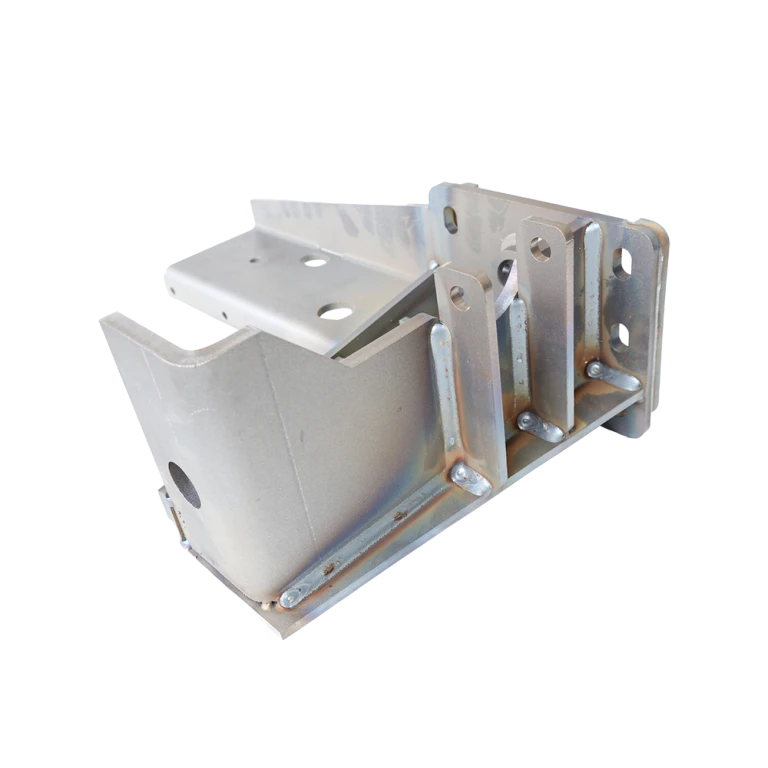
Anglinio plieno dalys


Nerūdijančio plieno dalys


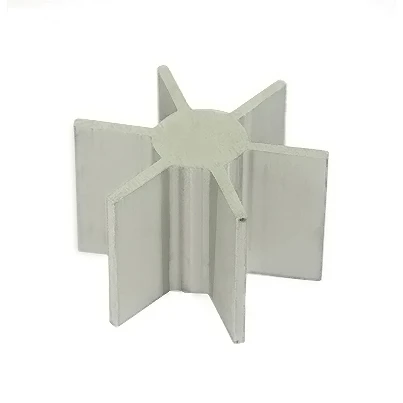
Aliuminio dalys


Nuolatinio ketaus dalys


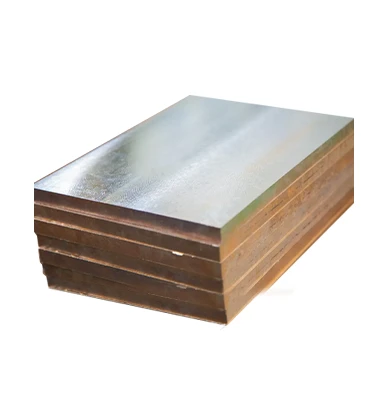
Varinės dalys


Nailoninės dalys


Mechaninių dalių tipai
Mechanical parts are the basic components used in machines to transmit motion, support loads, and control mechanical systems. They can be classified into several main types according to their functions.
First, fasteners are widely used to join different parts together. Common fasteners include bolts, nuts, screws, washers, and rivets. They allow components to be assembled and disassembled easily for maintenance or replacement. Fasteners are essential in almost all mechanical structures.
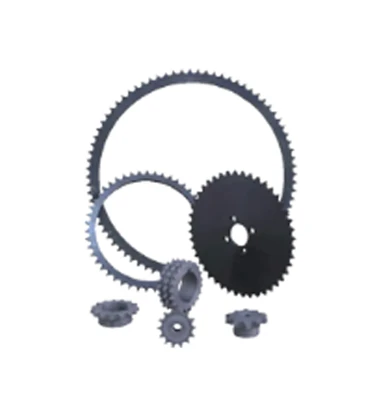
Second, power transmission parts are used to transfer energy from one component to another. Examples include shafts, gears, belts, chains, and couplings. Shafts transmit rotational motion, while gears change speed, torque, or direction. Belts and chains are often used when flexible or long-distance power transmission is required.
Third, supporting and guiding parts help maintain stability and reduce friction. Bearings, bushings, and guides belong to this category. Bearings support rotating shafts and reduce friction between moving surfaces, improving efficiency and service life of machines.
Fourth, sealing parts are designed to prevent leakage of fluids or gases. Common sealing elements include gaskets, O-rings, oil seals, and packing. These parts are especially important in hydraulic and pneumatic systems.
Finally, elastic and damping parts, such as springs and shock absorbers, are used to store energy, absorb vibration, and reduce impact. They play a key role in improving safety and comfort in mechanical systems.
Together, these mechanical parts form the foundation of modern machinery and industrial equipment.
Mechaninių dalių projektavimas
Mechanical parts design is a fundamental aspect of mechanical engineering that focuses on creating components capable of performing specific functions safely, efficiently, and reliably. The design process begins with a clear understanding of functional requirements, such as load conditions, motion type, working environment, and service life. These factors determine the overall structure and performance targets of the mechanical part.
Material selection is a critical step in mechanical parts design. Engineers choose materials based on strength, stiffness, wear resistance, corrosion resistance, and cost. Common materials include carbon steel, alloy steel, aluminum alloys, plastics, and composite materials. Proper material selection ensures that the part can withstand mechanical stress while remaining economical and manufacturable.
Structural design and dimensioning are also essential. Designers must calculate stresses, strains, and safety factors to avoid failure under working loads. At the same time, they aim to minimize weight and material usage. Tolerances and surface finishes are carefully specified to ensure proper fit, smooth operation, and interchangeability of parts.
Manufacturing considerations play an important role in the design stage. A well-designed mechanical part should be easy to produce using available processes such as casting, machining, forging, or additive manufacturing. Designers must also consider assembly, maintenance, and replacement.
In addition, modern mechanical parts design increasingly relies on computer-aided design (CAD) and simulation tools. These technologies improve accuracy, reduce development time, and enhance overall product quality.
What Are The Mechanical Parts
Mechanical parts are the fundamental elements that make up machines and mechanical systems. They are designed to perform specific functions such as transmitting motion, supporting loads, reducing friction, sealing fluids, or controlling movement. Almost every machine, from simple tools to complex industrial equipment, is composed of various mechanical parts working together.
One major category of mechanical parts is fastening parts. These include bolts, nuts, screws, pins, keys, and rivets. Fasteners are used to connect different components into a complete structure. They allow machines to be assembled, disassembled, and repaired efficiently. Proper fastening ensures structural stability and safety during operation.
Another important group is power transmission parts, which transfer energy from one part of a machine to another. Common examples are shafts, gears, belts, chains, pulleys, and couplings. Shafts are used to transmit rotational motion, while gears are used to change speed, torque, or direction. Belts and chains are suitable for long-distance or flexible power transmission and are widely used in engines and conveyor systems.
Supporting and guiding parts play a key role in maintaining accuracy and reducing friction. Bearings, bushings, sliders, and guide rails belong to this category. Bearings support rotating or moving shafts and significantly reduce friction between contact surfaces, improving efficiency and extending the service life of machines.
Sealing parts are essential in systems that involve liquids or gases. Typical sealing components include gaskets, O-rings, oil seals, and mechanical seals. Their main function is to prevent leakage, maintain pressure, and protect internal components from contamination.
In addition, there are elastic and damping parts, such as springs, shock absorbers, and dampers. Springs store and release energy, control motion, and absorb shocks. Dampers reduce vibration and impact, improving the stability and comfort of mechanical systems.
Other mechanical parts include housings, frames, cams, valves, and levers, each serving specialized functions. Together, these mechanical parts form complete machines that support modern manufacturing, transportation, energy production, and daily life.