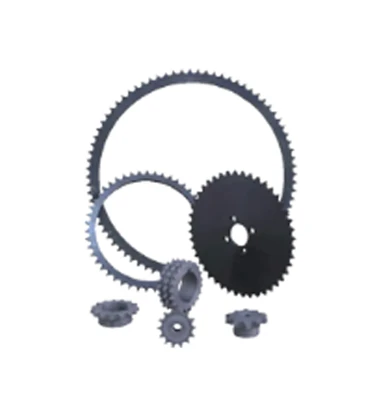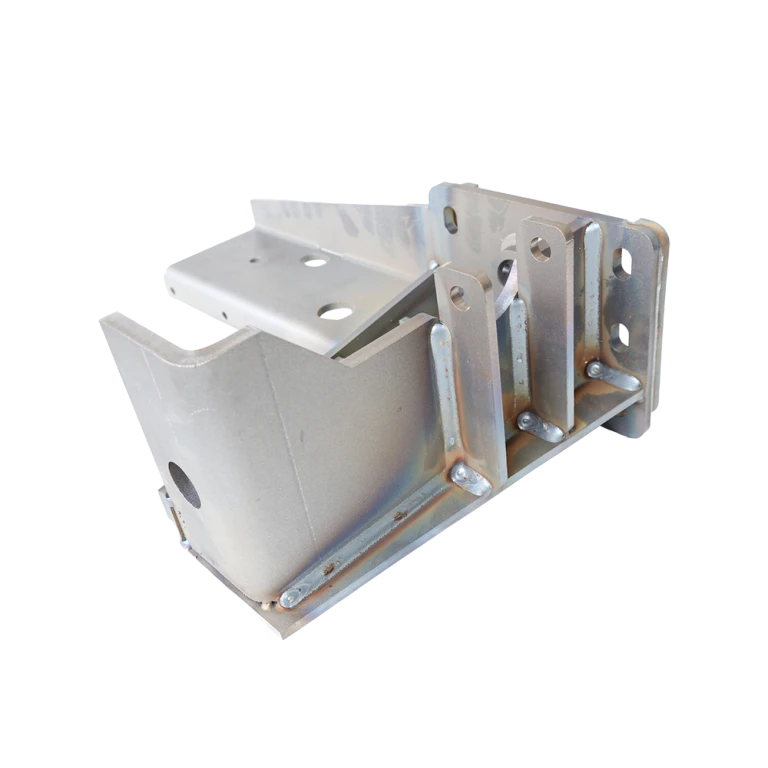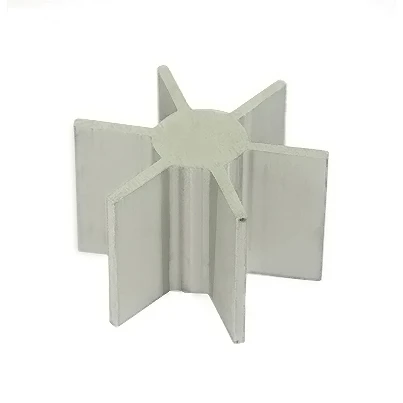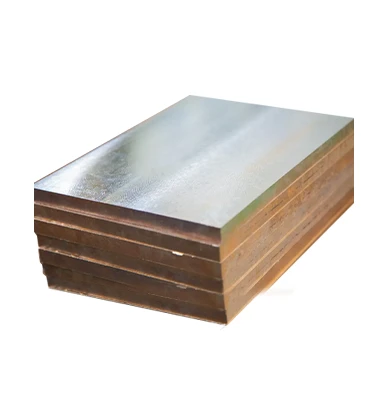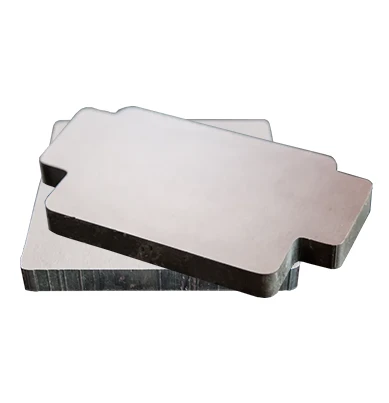








Компоненттердің басқа түрлерімен салыстырғанда, өңделген бөлшектер ерекше дәлдігімен және жоғары сапасымен танымал, бұл оларды қатаң өнеркәсіптік талаптарды қанағаттандыру үшін өте қолайлы етеді.
Біздің мүмкіндіктер техникалардың кең ауқымын қамтиды, соның ішінде, бірақ олармен шектелмейді Фрезерлеу、Бұрылу、Бұрғылау & Қызықсыз、Ұнтақтау、Сымды EDM (Электр разрядын өңдеу)、Тісті кесу Қатты блоктардан (барлар, пластиналар немесе соғулар) материалды алып тастау арқылы біз, әсіресе, қатаң төзімділікті қажет ететін қолданбаларға сәйкес келетін теңшелген бөлшектерді шығарамыз.
Біздің өңделген компоненттер әртүрлі материалдардан жасалған, соның ішінде: Көміртекті болат (барлар/табақшалар) 、Легірленген болат、Соғулар、Алюминий (барлар/табақшалар) 、Тот баспайтын болат (барлар/табақшалар) 、Мыс (барлар/табақшалар) 、Инженерлік пластмассалар (Нейлон, PE/PP/PVC жолақтары/пластиналары)、Шойын (Сұр/иілгіш темір)、Шойын болат/Тот баспайтын болаттан құйылған/Құйылған алюминий/Құйма мыс.
Тиімділік пен дәлдікті арттыру үшін біз келесі техниканы пайдаланамыз: Шағын автоматты токарлық станоктар 、Көп осьті CNC өңдеу орталықтары 、Жоғары жылдамдықты CNC токарлық станоктар、Токарлық-фрезерлік құрама станоктар、Гантри өңдеу орталықтары、Икемді өндіріс қондырғылары (FMS) және т.б.
Материалдың тұтастығын және өлшемдердің дәлдігін қамтамасыз ету үшін біз келесі тексеру құралдарын, аспаптар мен жабдықтарды қолданамыз.
Өлшемді тексеру: Координаттарды өлшейтін машиналар (CMM), оптикалық проекторлар, ағынды сынағыштар, микрометрлер және микрон деңгейін өлшегіштер.
Бетінің сапасы: Кедір-бұдырлық сынауыштары беттің аяқталуын тексеру үшін (қолжеткізілетін арнайы Ra мәндері). Материалды тексеру: спектрометрлер, қаттылықты сынау құрылғылары және созылуды сынау машиналары.
Бұзбайтын сынақ (NDT): Бояғыш пенетрантты және ультрадыбыстық тексерулер.
Ұсынылатын қосымша құны бар қызметтерге бетті өңдеу және термиялық өңдеу кіреді.
Беттік өңдеулер: Коррозияға төзімділік үшін қаптау (мырыш/никель/титан). Тозуға төзімділікті арттыру үшін анодтау. Тот басудың алдын алу және эстетиканы жақсарту үшін жылтырату, бояу, көгерту/қаралау.
Жылулық өңдеулер: Өндіру, шынықтыру, күйдіру, қалыпқа келтіру. Беттік қатайту үшін карбюризация/нитрлеу.
Өңделген бөлшектердің жоғары дәлдігі құрамдас бөліктер арасындағы тамаша үйлесімділікті қамтамасыз етеді, жабдықтың дәлдігі мен жұмыс тұрақтылығын айтарлықтай жақсартады. Бұл өндіріс тиімділігін арттырып қана қоймай, жабдықтың істен шығуын азайтады. Сондықтан өңделген бөлшектер мұнай-химия, электр энергиясын өндіру, азық-түлік және фармацевтика, кеме жасау, құрылыс техникасы, механикалық жабдықтар сияқты салаларда кеңінен қолданылады.
Үлкен тәжірибесі бар Hebei Windzone тұтынушы ұсынатын сызбалар бойынша құрамдас бөліктерді шығаруға маманданған және жоғары сапалы қызметтерді ұсынуға ұмтылады. Біз әрбір жобаның тұтынушылар күткеніне сәйкес келетініне немесе одан асып түсетініне көз жеткізуге тырысамыз. Тапсырысыңыз үлкен немесе кішкентай болсын, біз сізді әрі қарай талқылау үшін сызбаларыңызды бізбен бөлісуге шақырамыз.
Көміртекті болаттан жасалған бөлшектер


Тот баспайтын болаттан жасалған бөлшектер


Алюминий бөлшектер


Үздіксіз шойын бөліктері


Мыс бөлшектер


Нейлон бөлшектері


Механикалық бөлшектердің түрлері
Mechanical parts are the basic components used in machines to transmit motion, support loads, and control mechanical systems. They can be classified into several main types according to their functions.
First, fasteners are widely used to join different parts together. Common fasteners include bolts, nuts, screws, washers, and rivets. They allow components to be assembled and disassembled easily for maintenance or replacement. Fasteners are essential in almost all mechanical structures.
Second, power transmission parts are used to transfer energy from one component to another. Examples include shafts, gears, belts, chains, and couplings. Shafts transmit rotational motion, while gears change speed, torque, or direction. Belts and chains are often used when flexible or long-distance power transmission is required.
Third, supporting and guiding parts help maintain stability and reduce friction. Bearings, bushings, and guides belong to this category. Bearings support rotating shafts and reduce friction between moving surfaces, improving efficiency and service life of machines.
Fourth, sealing parts are designed to prevent leakage of fluids or gases. Common sealing elements include gaskets, O-rings, oil seals, and packing. These parts are especially important in hydraulic and pneumatic systems.
Finally, elastic and damping parts, such as springs and shock absorbers, are used to store energy, absorb vibration, and reduce impact. They play a key role in improving safety and comfort in mechanical systems.
Together, these mechanical parts form the foundation of modern machinery and industrial equipment.
Механикалық бөлшектерді жобалау
Mechanical parts design is a fundamental aspect of mechanical engineering that focuses on creating components capable of performing specific functions safely, efficiently, and reliably. The design process begins with a clear understanding of functional requirements, such as load conditions, motion type, working environment, and service life. These factors determine the overall structure and performance targets of the mechanical part.
Material selection is a critical step in mechanical parts design. Engineers choose materials based on strength, stiffness, wear resistance, corrosion resistance, and cost. Common materials include carbon steel, alloy steel, aluminum alloys, plastics, and composite materials. Proper material selection ensures that the part can withstand mechanical stress while remaining economical and manufacturable.
Structural design and dimensioning are also essential. Designers must calculate stresses, strains, and safety factors to avoid failure under working loads. At the same time, they aim to minimize weight and material usage. Tolerances and surface finishes are carefully specified to ensure proper fit, smooth operation, and interchangeability of parts.
Manufacturing considerations play an important role in the design stage. A well-designed mechanical part should be easy to produce using available processes such as casting, machining, forging, or additive manufacturing. Designers must also consider assembly, maintenance, and replacement.
In addition, modern mechanical parts design increasingly relies on computer-aided design (CAD) and simulation tools. These technologies improve accuracy, reduce development time, and enhance overall product quality.
What Are The Mechanical Parts
Mechanical parts are the fundamental elements that make up machines and mechanical systems. They are designed to perform specific functions such as transmitting motion, supporting loads, reducing friction, sealing fluids, or controlling movement. Almost every machine, from simple tools to complex industrial equipment, is composed of various mechanical parts working together.
One major category of mechanical parts is fastening parts. These include bolts, nuts, screws, pins, keys, and rivets. Fasteners are used to connect different components into a complete structure. They allow machines to be assembled, disassembled, and repaired efficiently. Proper fastening ensures structural stability and safety during operation.
Another important group is power transmission parts, which transfer energy from one part of a machine to another. Common examples are shafts, gears, belts, chains, pulleys, and couplings. Shafts are used to transmit rotational motion, while gears are used to change speed, torque, or direction. Belts and chains are suitable for long-distance or flexible power transmission and are widely used in engines and conveyor systems.
Supporting and guiding parts play a key role in maintaining accuracy and reducing friction. Bearings, bushings, sliders, and guide rails belong to this category. Bearings support rotating or moving shafts and significantly reduce friction between contact surfaces, improving efficiency and extending the service life of machines.
Sealing parts are essential in systems that involve liquids or gases. Typical sealing components include gaskets, O-rings, oil seals, and mechanical seals. Their main function is to prevent leakage, maintain pressure, and protect internal components from contamination.
In addition, there are elastic and damping parts, such as springs, shock absorbers, and dampers. Springs store and release energy, control motion, and absorb shocks. Dampers reduce vibration and impact, improving the stability and comfort of mechanical systems.
Other mechanical parts include housings, frames, cams, valves, and levers, each serving specialized functions. Together, these mechanical parts form complete machines that support modern manufacturing, transportation, energy production, and daily life.