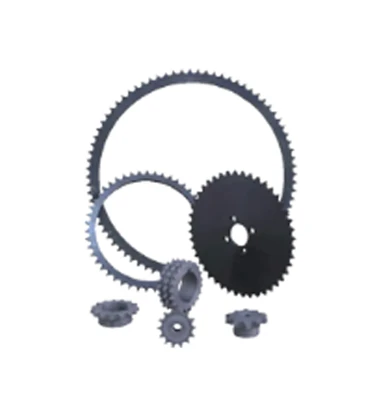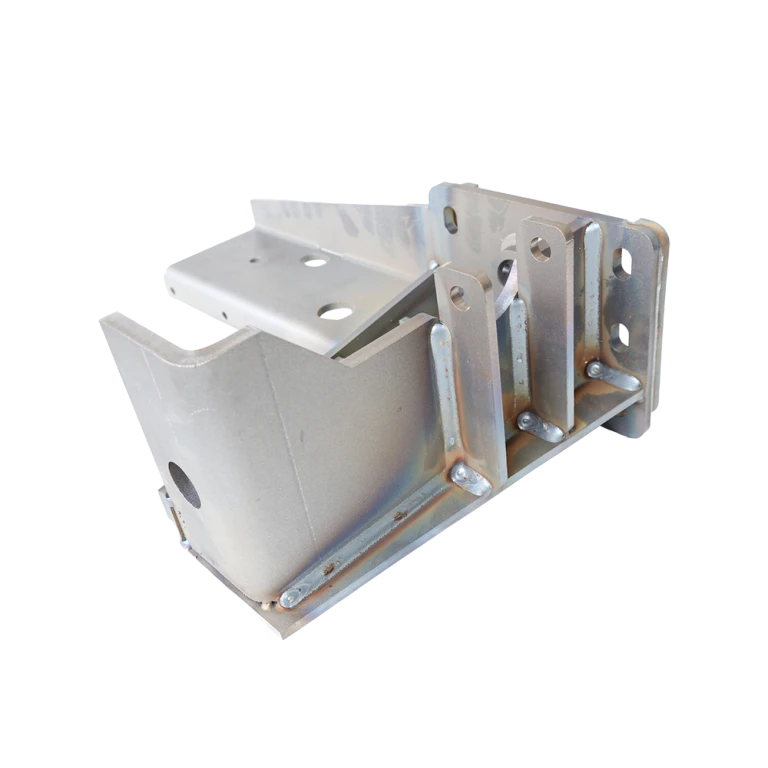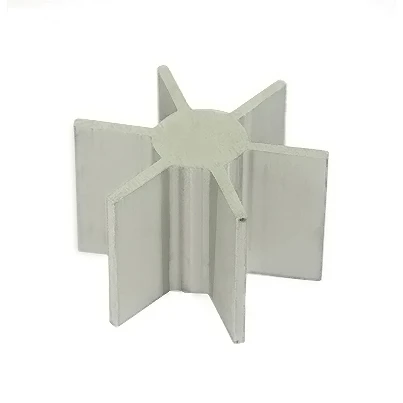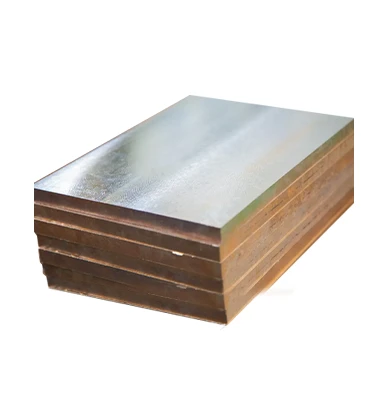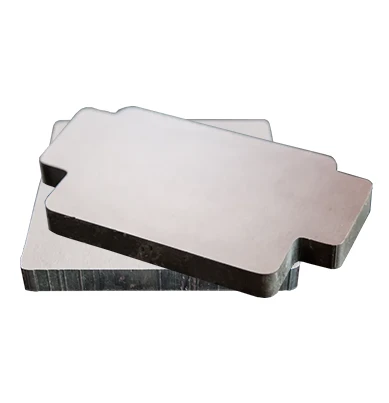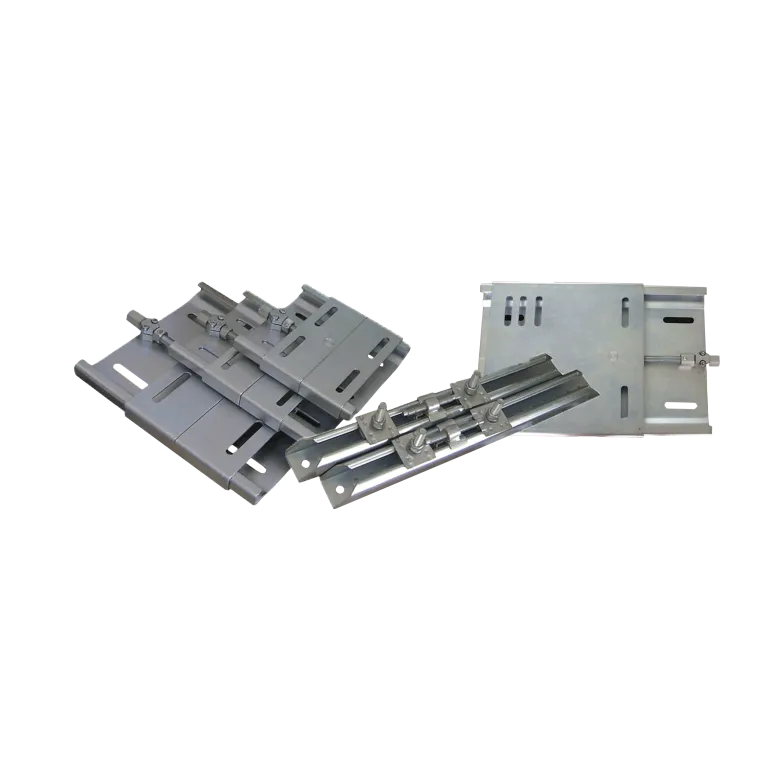








Sammenlignet med andre typer komponenter, maskinerte deler er kjent for sin eksepsjonelle presisjon og overlegne kvalitet, noe som gjør dem ideelle for å møte strenge industrielle krav.
Våre muligheter omfatter et bredt spekter av teknikker, inkludert, men ikke begrenset til Fresing、Snu、Boring og Kjedelig、Sliping、Trådgnist (Maskinering av elektrisk utladning)Girskjæring osv. Ved å fjerne materiale fra solide blokker (stenger, plater eller smiinger) produserer vi tilpassede deler, spesielt egnet for applikasjoner som krever små toleranser.
Våre maskinbearbeidede komponenter er produsert av en rekke materialer, inkludert: Karbonstål (barer/tallerkener)Legert stål、Smivarer、Aluminium (barer/tallerkener)Rustfritt stål (barer/tallerkener)Kopper (barer/tallerkener)Teknisk plast (Nylon, PE/PP/PVC-stenger/-plater)Støpejern (Grått/duktilt jern)Støpt stål/Støpt rustfritt stål/Støpt aluminium/Støpt kobber.
For å forbedre effektiviteten og presisjonen bruker vi følgende maskiner: Små automatiske dreiebenker 、Multiakse CNC-maskineringssentre 、Høyhastighets CNC-dreiebenker、Dreie- og fresemaskiner、Portalmaskineringssentre、Fleksible produksjonsenheter (FMS) osv.
For å sikre materialintegritet og dimensjonsnøyaktighet bruker vi følgende inspeksjonsverktøy, instrumenter og utstyr.
Dimensjonsinspeksjon: Koordinatmålemaskiner (CMM), optiske projektorer, avrundingstestere, mikrometre og mikronnivåmålere.
OverflatekvalitetRuhetstestere for å verifisere overflatefinish (tilpassede Ra-verdier kan oppnås). Materialverifisering: Spektrometre, hardhetstestere og strekkprøvingsmaskiner.
Ikke-destruktiv testing (NDT): Inspeksjoner med fargestoffpenetrant og ultralyd.
Ytterligere verdiskapende tjenester som tilbys inkluderer overflatebehandling og varmebehandling.
OverflatebehandlingerPlettering (sink/nikkel/titan) for korrosjonsbestandighet. Anodisering for å forbedre slitestyrken. Polering, lakkering, blånering/sverting for rustforebygging og forbedret estetikk.
VarmebehandlingerBråkjøling, anløping, gløding, normalisering. Karburering/nitrering for overflateherding.
Den høye presisjonen til maskinerte deler sikrer perfekt kompatibilitet mellom komponentene, noe som forbedrer utstyrets nøyaktighet og driftsstabilitet betydelig. Dette forbedrer ikke bare produksjonseffektiviteten, men reduserer også utstyrsfeil. Derfor er maskinerte deler mye brukt i industrier som petrokjemisk industri, kraftproduksjon, mat og farmasi, skipsbygging, bygg- og anleggsteknikk og mekanisk utstyr.
Med omfattende erfaring spesialiserer Hebei Windzone seg på å produsere komponenter i henhold til kundens tegninger, og vi er forpliktet til å tilby tjenester av høy kvalitet. Vi streber etter å sikre at hvert prosjekt oppfyller eller overgår kundens forventninger. Enten bestillingen din er stor eller liten, ønsker vi deg velkommen til å dele tegningene dine med oss for videre diskusjon.
Karbonståldeler


Deler i rustfritt stål


Aluminiumsdeler


Deler av kontinuerlig støpejern


Kobberdeler


Nylondeler


Typer mekaniske deler
Mechanical parts are the basic components used in machines to transmit motion, support loads, and control mechanical systems. They can be classified into several main types according to their functions.
First, fasteners are widely used to join different parts together. Common fasteners include bolts, nuts, screws, washers, and rivets. They allow components to be assembled and disassembled easily for maintenance or replacement. Fasteners are essential in almost all mechanical structures.
Second, power transmission parts are used to transfer energy from one component to another. Examples include shafts, gears, belts, chains, and couplings. Shafts transmit rotational motion, while gears change speed, torque, or direction. Belts and chains are often used when flexible or long-distance power transmission is required.
Third, supporting and guiding parts help maintain stability and reduce friction. Bearings, bushings, and guides belong to this category. Bearings support rotating shafts and reduce friction between moving surfaces, improving efficiency and service life of machines.
Fourth, sealing parts are designed to prevent leakage of fluids or gases. Common sealing elements include gaskets, O-rings, oil seals, and packing. These parts are especially important in hydraulic and pneumatic systems.
Finally, elastic and damping parts, such as springs and shock absorbers, are used to store energy, absorb vibration, and reduce impact. They play a key role in improving safety and comfort in mechanical systems.
Together, these mechanical parts form the foundation of modern machinery and industrial equipment.
Mekanisk deldesign
Mechanical parts design is a fundamental aspect of mechanical engineering that focuses on creating components capable of performing specific functions safely, efficiently, and reliably. The design process begins with a clear understanding of functional requirements, such as load conditions, motion type, working environment, and service life. These factors determine the overall structure and performance targets of the mechanical part.
Material selection is a critical step in mechanical parts design. Engineers choose materials based on strength, stiffness, wear resistance, corrosion resistance, and cost. Common materials include carbon steel, alloy steel, aluminum alloys, plastics, and composite materials. Proper material selection ensures that the part can withstand mechanical stress while remaining economical and manufacturable.
Structural design and dimensioning are also essential. Designers must calculate stresses, strains, and safety factors to avoid failure under working loads. At the same time, they aim to minimize weight and material usage. Tolerances and surface finishes are carefully specified to ensure proper fit, smooth operation, and interchangeability of parts.
Manufacturing considerations play an important role in the design stage. A well-designed mechanical part should be easy to produce using available processes such as casting, machining, forging, or additive manufacturing. Designers must also consider assembly, maintenance, and replacement.
In addition, modern mechanical parts design increasingly relies on computer-aided design (CAD) and simulation tools. These technologies improve accuracy, reduce development time, and enhance overall product quality.
What Are The Mechanical Parts
Mechanical parts are the fundamental elements that make up machines and mechanical systems. They are designed to perform specific functions such as transmitting motion, supporting loads, reducing friction, sealing fluids, or controlling movement. Almost every machine, from simple tools to complex industrial equipment, is composed of various mechanical parts working together.
One major category of mechanical parts is fastening parts. These include bolts, nuts, screws, pins, keys, and rivets. Fasteners are used to connect different components into a complete structure. They allow machines to be assembled, disassembled, and repaired efficiently. Proper fastening ensures structural stability and safety during operation.
Another important group is power transmission parts, which transfer energy from one part of a machine to another. Common examples are shafts, gears, belts, chains, pulleys, and couplings. Shafts are used to transmit rotational motion, while gears are used to change speed, torque, or direction. Belts and chains are suitable for long-distance or flexible power transmission and are widely used in engines and conveyor systems.
Supporting and guiding parts play a key role in maintaining accuracy and reducing friction. Bearings, bushings, sliders, and guide rails belong to this category. Bearings support rotating or moving shafts and significantly reduce friction between contact surfaces, improving efficiency and extending the service life of machines.
Sealing parts are essential in systems that involve liquids or gases. Typical sealing components include gaskets, O-rings, oil seals, and mechanical seals. Their main function is to prevent leakage, maintain pressure, and protect internal components from contamination.
In addition, there are elastic and damping parts, such as springs, shock absorbers, and dampers. Springs store and release energy, control motion, and absorb shocks. Dampers reduce vibration and impact, improving the stability and comfort of mechanical systems.
Other mechanical parts include housings, frames, cams, valves, and levers, each serving specialized functions. Together, these mechanical parts form complete machines that support modern manufacturing, transportation, energy production, and daily life.