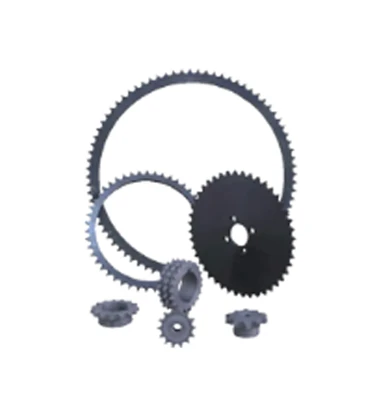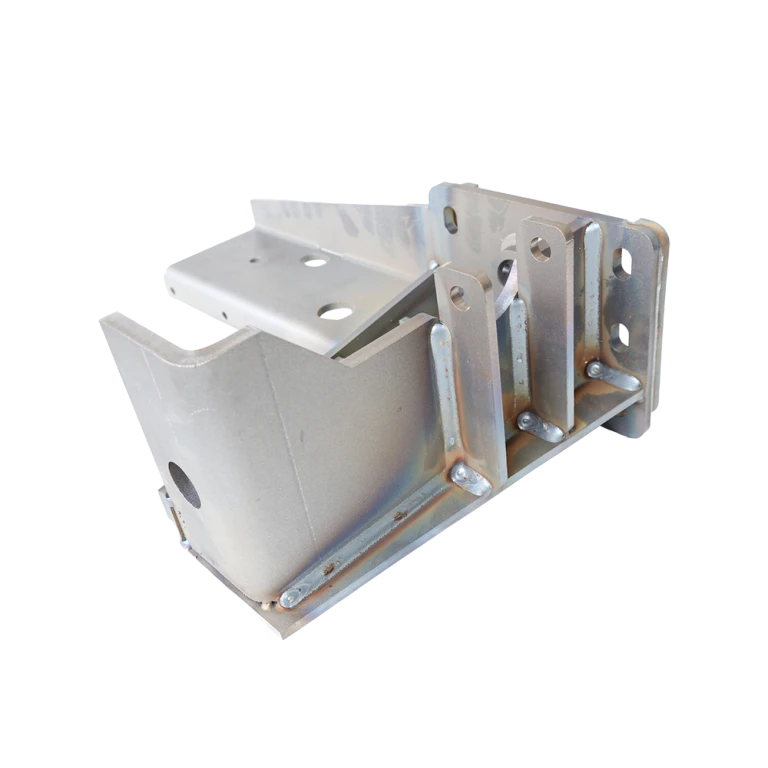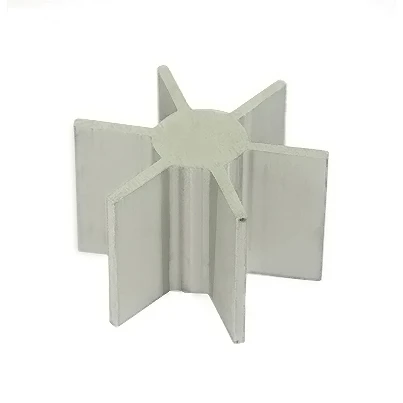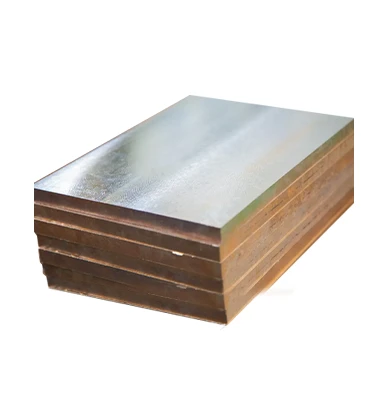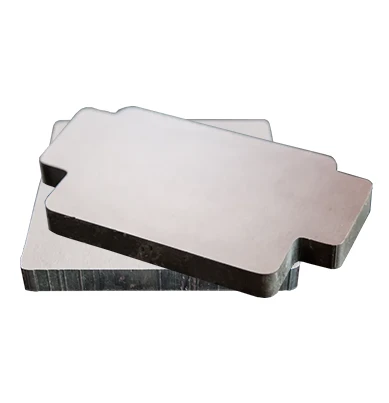








Comparado a outros tipos de componentes, peças usinadas são conhecidos por sua precisão excepcional e qualidade superior, tornando-os ideais para atender aos rigorosos requisitos industriais.
Nossas capacidades abrangem uma ampla gama de técnicas, incluindo, mas não se limitando a Moagem、Girando、Perfuração & Tedioso、Moagem、Fio EDM (Usinagem por descarga elétrica)Corte de engrenagens etc. Ao remover material de blocos sólidos (barras, placas ou peças forjadas), produzimos peças personalizadas, particularmente adequadas para aplicações que exigem tolerâncias rigorosas.
Nossos componentes usinados são fabricados a partir de uma variedade de materiais, incluindo: Aço carbono (barras/pratos)、Liga de aço、Forjados、Alumínio (barras/pratos)、Aço inoxidável (barras/pratos)、Cobre (barras/pratos)、Plásticos de Engenharia (Barras/placas de nylon, PE/PP/PVC)、Ferro fundido (Ferro cinzento/dúctil)、Aço fundido/Aço inoxidável fundido/Alumínio fundido/Cobre Fundido.
Para aumentar a eficiência e a precisão, utilizamos as seguintes máquinas: Tornos Automáticos Pequenos 、Centros de Usinagem CNC Multieixos 、Tornos CNC de alta velocidade、Máquinas compostas de torneamento e fresamento、Centros de Usinagem de Pórticos、Unidades de Fabricação Flexíveis (FMS), etc.
Para garantir a integridade do material e a precisão dimensional, usamos as seguintes ferramentas, instrumentos e equipamentos de inspeção.
Inspeção dimensional: Máquinas de medição por coordenadas (CMM), projetores ópticos, testadores de desvio, micrômetros e medidores de nível de micrômetro.
Qualidade da superfície: Rugosímetros para verificar o acabamento da superfície (valores de Ra personalizados podem ser alcançados). Verificação de materiais: Espectrômetros, testadores de dureza e máquinas de ensaio de tração.
Ensaios Não Destrutivos (NDT): Inspeções por penetração de tinta e ultrassônicas.
Serviços adicionais de valor agregado fornecidos incluem tratamento de superfície e tratamentos térmicos.
Tratamentos de superfície: Revestimento (zinco/níquel/titânio) para resistência à corrosão. Anodização para aumentar a resistência ao desgaste. Polimento, pintura, azulamento/escurecimento para prevenção de ferrugem e melhor estética.
Tratamentos Térmicos: Têmpera, revenimento, recozimento, normalização. Cementação/nitretação para endurecimento superficial.
A alta precisão das peças usinadas garante a compatibilidade perfeita entre os componentes, melhorando significativamente a precisão do equipamento e a estabilidade operacional. Isso não apenas aumenta a eficiência da produção, mas também reduz as taxas de falhas dos equipamentos. Portanto, as peças usinadas são amplamente utilizadas em indústrias como Petroquímica, Geração de Energia, Alimentos e Farmacêutica, Construção Naval, Engenharia Civil e Equipamentos Mecânicos.
Com vasta experiência, a Hebei Windzone é especializada na produção de componentes de acordo com desenhos fornecidos pelos clientes e está comprometida em fornecer serviços de alta qualidade. Nos esforçamos para garantir que cada projeto atenda ou supere as expectativas do cliente. Seja seu pedido grande ou pequeno, convidamos você a compartilhar seus desenhos conosco para uma discussão mais aprofundada.
Peças de aço carbono


Peças de aço inoxidável


Peças de alumínio


Peças de ferro fundido contínuo


Peças de cobre


Peças de Nylon


Tipos de peças mecânicas
Mechanical parts are the basic components used in machines to transmit motion, support loads, and control mechanical systems. They can be classified into several main types according to their functions.
First, fasteners are widely used to join different parts together. Common fasteners include bolts, nuts, screws, washers, and rivets. They allow components to be assembled and disassembled easily for maintenance or replacement. Fasteners are essential in almost all mechanical structures.
Second, power transmission parts are used to transfer energy from one component to another. Examples include shafts, gears, belts, chains, and couplings. Shafts transmit rotational motion, while gears change speed, torque, or direction. Belts and chains are often used when flexible or long-distance power transmission is required.
Third, supporting and guiding parts help maintain stability and reduce friction. Bearings, bushings, and guides belong to this category. Bearings support rotating shafts and reduce friction between moving surfaces, improving efficiency and service life of machines.
Fourth, sealing parts are designed to prevent leakage of fluids or gases. Common sealing elements include gaskets, O-rings, oil seals, and packing. These parts are especially important in hydraulic and pneumatic systems.
Finally, elastic and damping parts, such as springs and shock absorbers, are used to store energy, absorb vibration, and reduce impact. They play a key role in improving safety and comfort in mechanical systems.
Together, these mechanical parts form the foundation of modern machinery and industrial equipment.
Projeto de Peças Mecânicas
Mechanical parts design is a fundamental aspect of mechanical engineering that focuses on creating components capable of performing specific functions safely, efficiently, and reliably. The design process begins with a clear understanding of functional requirements, such as load conditions, motion type, working environment, and service life. These factors determine the overall structure and performance targets of the mechanical part.
Material selection is a critical step in mechanical parts design. Engineers choose materials based on strength, stiffness, wear resistance, corrosion resistance, and cost. Common materials include carbon steel, alloy steel, aluminum alloys, plastics, and composite materials. Proper material selection ensures that the part can withstand mechanical stress while remaining economical and manufacturable.
Structural design and dimensioning are also essential. Designers must calculate stresses, strains, and safety factors to avoid failure under working loads. At the same time, they aim to minimize weight and material usage. Tolerances and surface finishes are carefully specified to ensure proper fit, smooth operation, and interchangeability of parts.
Manufacturing considerations play an important role in the design stage. A well-designed mechanical part should be easy to produce using available processes such as casting, machining, forging, or additive manufacturing. Designers must also consider assembly, maintenance, and replacement.
In addition, modern mechanical parts design increasingly relies on computer-aided design (CAD) and simulation tools. These technologies improve accuracy, reduce development time, and enhance overall product quality.
What Are The Mechanical Parts
Mechanical parts are the fundamental elements that make up machines and mechanical systems. They are designed to perform specific functions such as transmitting motion, supporting loads, reducing friction, sealing fluids, or controlling movement. Almost every machine, from simple tools to complex industrial equipment, is composed of various mechanical parts working together.
One major category of mechanical parts is fastening parts. These include bolts, nuts, screws, pins, keys, and rivets. Fasteners are used to connect different components into a complete structure. They allow machines to be assembled, disassembled, and repaired efficiently. Proper fastening ensures structural stability and safety during operation.
Another important group is power transmission parts, which transfer energy from one part of a machine to another. Common examples are shafts, gears, belts, chains, pulleys, and couplings. Shafts are used to transmit rotational motion, while gears are used to change speed, torque, or direction. Belts and chains are suitable for long-distance or flexible power transmission and are widely used in engines and conveyor systems.
Supporting and guiding parts play a key role in maintaining accuracy and reducing friction. Bearings, bushings, sliders, and guide rails belong to this category. Bearings support rotating or moving shafts and significantly reduce friction between contact surfaces, improving efficiency and extending the service life of machines.
Sealing parts are essential in systems that involve liquids or gases. Typical sealing components include gaskets, O-rings, oil seals, and mechanical seals. Their main function is to prevent leakage, maintain pressure, and protect internal components from contamination.
In addition, there are elastic and damping parts, such as springs, shock absorbers, and dampers. Springs store and release energy, control motion, and absorb shocks. Dampers reduce vibration and impact, improving the stability and comfort of mechanical systems.
Other mechanical parts include housings, frames, cams, valves, and levers, each serving specialized functions. Together, these mechanical parts form complete machines that support modern manufacturing, transportation, energy production, and daily life.