







GRAU DE MATERIAL DA BARRA DE FERRO:
| GRAU DE MATERIAL | PADRÃO RELEVANTE | |
| HBMCBAR250 | EN-GJL-250C | ASTM 148 CLASSE 35 |
| HBMCBAR500-7 | EN-GJS-500-7C | ASTM A536 CLASSE 80-55-06 |
| HBMCBAR400-15 | EN-GJS-400-15C | |
| HBMCBAR450-12 | ASTM A536 CLASSE 65-45-12 | |
| HBMCBAR600-3 | EN-GJS-600-3C | ASTM A536 CLASSE 80-60-03 |
| FORMA | DIA. OU DIMENSÃO DIAGONAL (MM) |
| REDONDO | 30 a 650 |
| QUADRADO | 30*30 a 450*450 |
| RETANGULAR | 40 a 600 |
APLICATIVO
Equipamentos de pressão de óleo e ar
| Válvulas | Válvula de pilha, Válvulas modulares, Válvula de alívio, Válvula de controle de fluxo, Válvula solenóide, Subplaca, Coletor |
| Cilindros | Pistão, tampa da cabeça, tampa da biela, anel de amortecimento |
| Outros | Polia e Boss para soprador, Rotor, Flange de revestimento do impulsor para compressor |
Máquinas-ferramentas e máquinas industriais em geral
| Máquinas-ferramentas metálicas | Válvula de pilha, Válvulas modulares, Válvula de alívio, Válvula de controle de fluxo, Válvula solenóide, Subplaca, Coletor |
| Máquinas de moldagem por injeção | Válvula, Coletor, Cilindro, Placa de montagem no lado fixo, Placa de montagem no lado móvel, Placa ejetora, Bloco espaçador |
| Máquinas de engenharia civil e construção | Válvula, Cilindro, Pistão, Coletor |
| Máquinas de impressão | Rolo de mistura de tinta, trilho de tinta, guia, engrenagem |
| Máquinas de fiar | Caixa de rolamento, engrenagem, peso, trilho, rolo superior, tubo guia, rolamento, corrediça transversal, suporte de rolamento, base deslizante, bucha, came da máquina de costura |
| Máquinas agrícolas | Cabeçote de pistão, Tampa de cabeçote, Polia para trator, Bucha de polia para colheitadeira |
| Outros | Peças para embalagens de papel, processamento de alimentos, máquinas para trabalhar madeira |
Automóveis, equipamentos de transporte
| Automóveis | Amortecedor, Guia de válvula, Selo mecânico, Colar, Bucha, Peso, Manga da engrenagem do medidor de velocidade, Selo mecânico Espaçador para refrigerador |
| Guindastes e Navios | Coletor, Cilindro, Pistão, Guia de válvula, Motor, Bucha da haste da válvula de engenharia, Bloco de cilindros |
| Guindastes | Roldana, Colar, Bucha, Roda |
| Outros | Tambor de guincho, gancho de elevador, peso, rolo transportador |
Equipamentos e ferramentas elétricas
Rolo compressor para ar condicionado rotativo, Aranha, Deslizante, Pino deslizante transversal, Bomba de vácuo fac-símile, Engrenagem do motor, Rotor para refrigerador, Freio a disco do gerador
Moldes de metal
Para vidro, para fundição sob pressão de alumínio, para plásticos, para rebolo, para pontas de caneta, para fundição sob pressão, para polimento de lentes, para análise de peças para moldagem em concha e processo de caixa fria
Bombear
Engrenagem da bomba de engrenagens, Rotor da bomba de parafuso, Vedação do eixo, Rotor, Flange, Controle de fluxo, Válvula de retenção, Luva de garfo, Guia de válvula para bomba química
Peças universais gerais
Engrenagem, polia, roldana, rolamento, eixo, bucha, colar, came, acoplamento, flange, ressalto, peso, revestimento, trilho de pino, caixas e tampas, vedação, rotor, base, anel, rolo, porca, placa, plugue, bloco, vinco, gabarito e ferramentas


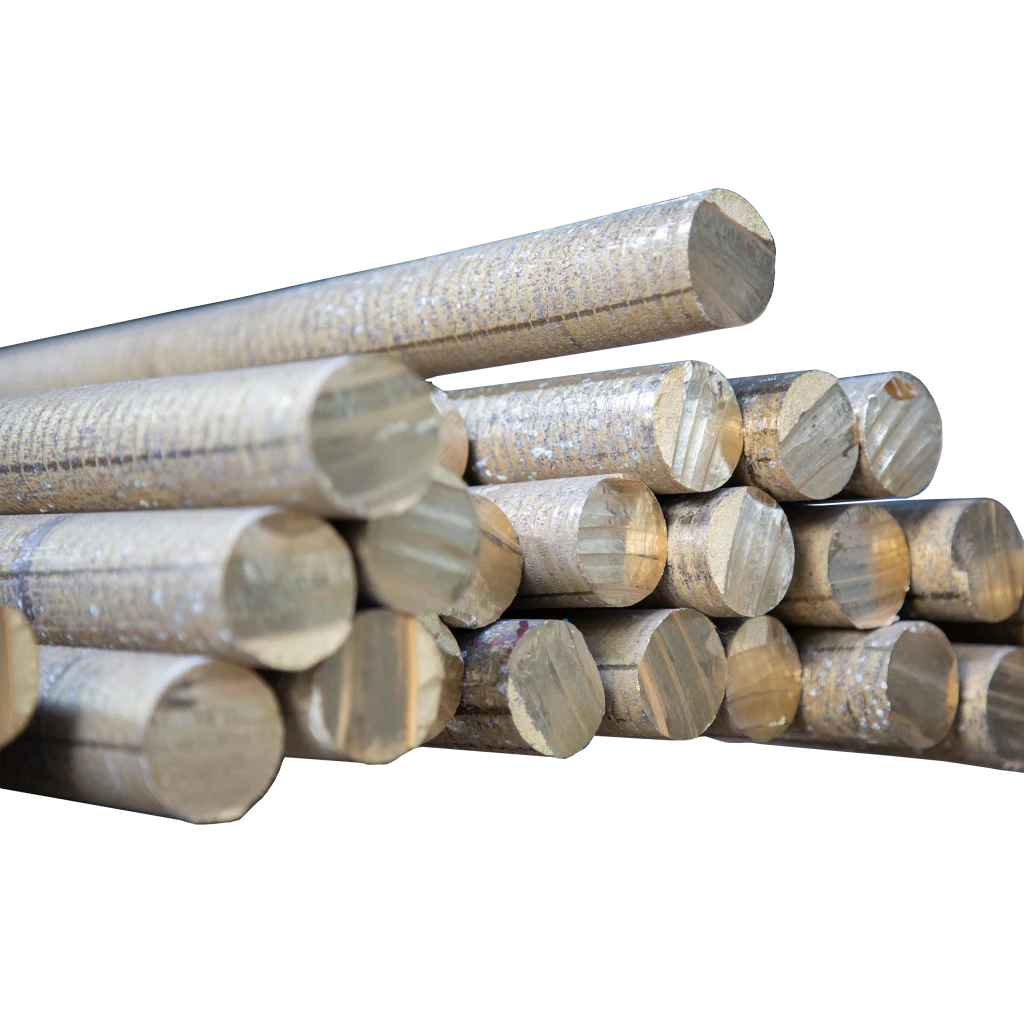
Continuous cast iron bar sizes
Continuous cast iron bars are semi-finished metal products widely used in mechanical engineering, automotive manufacturing, hydraulic equipment, mold making, and general machinery. They are produced through a continuous casting process, which ensures a dense internal structure, uniform material properties, and excellent machinability. One of the key considerations when selecting continuous cast iron bars is size, as dimensions directly affect machining efficiency, material utilization, and final product performance.
Continuous cast iron bars are available in a broad range of sizes to meet diverse industrial requirements. Common shapes include round bars, square bars, rectangular bars, and hollow bars (tubes). Among these, round bars are the most widely used due to their versatility and ease of machining on lathes. Standard round bar diameters typically range from as small as 20 mm up to 600 mm, although larger diameters can be produced upon request. Lengths are usually supplied in standard sizes such as 1,000 mm, 2,000 mm, or 3,000 mm, with cutting tolerances controlled to meet customer specifications.
Square and rectangular continuous cast iron bars are often selected for components that require flat surfaces or high dimensional stability. Square bar sizes commonly range from 20 × 20 mm to 400 × 400 mm, while rectangular bars may be supplied in various width and thickness combinations. These bars are particularly suitable for machine beds, guide rails, wear plates, and structural parts where rigidity and vibration damping are important.
Hollow continuous cast iron bars, also known as cast iron tubes, are designed to reduce material waste and machining time for cylindrical components such as bushings, sleeves, and hydraulic cylinders. Typical outer diameters range from 60 mm to 800 mm, with inner diameters customized according to wall thickness requirements. By selecting hollow bars close to the final dimensions, manufacturers can significantly lower production costs and improve efficiency.
In addition to nominal dimensions, size tolerances are an important aspect of continuous cast iron bars. Most suppliers offer rough-cast surfaces with machining allowances, while some provide pre-machined or precision-ground options for applications requiring tighter tolerances. The flexibility in size selection, combined with consistent material quality, makes continuous cast iron bars a reliable choice for both mass production and custom-made components.
Overall, the wide range of available sizes and shapes allows continuous cast iron bars to adapt to various engineering needs, ensuring optimal performance, cost-effectiveness, and manufacturing convenience.
Why is copper so expensive
Copper is considered expensive compared with many other industrial metals because of a combination of geological, economic, and technological factors that influence both its supply and demand. As one of the most widely used non-ferrous metals in the world, copper plays a critical role in modern industry, which significantly affects its market value.
One major reason copper is expensive is its limited and increasingly difficult supply. Although copper is not extremely rare, high-grade copper ore deposits are becoming harder to find. Many of the world’s largest and richest mines have been in operation for decades, and the average ore grade has steadily declined. This means more rock must be mined and processed to produce the same amount of copper, increasing extraction, energy, and labor costs. In addition, new mining projects require substantial capital investment and long development timelines, often taking more than ten years to become operational.
Another key factor is strong and growing global demand. Copper is essential for electrical wiring, power generation, electronics, construction, transportation, and industrial machinery because of its excellent electrical conductivity, thermal conductivity, and corrosion resistance. In recent years, demand has surged due to the expansion of renewable energy systems, electric vehicles, charging infrastructure, and smart grids. An electric vehicle, for example, uses significantly more copper than a traditional gasoline-powered car, further driving consumption.
Geopolitical and environmental factors also contribute to copper’s high price. Major copper-producing countries face political instability, labor strikes, and regulatory changes, which can disrupt supply. At the same time, stricter environmental regulations increase production costs, as mining companies must invest in sustainable practices, waste management, and emissions reduction.
Finally, copper’s value is reinforced by its recyclability and long-term importance. While recycling helps supplement supply, it cannot fully meet rising demand. Because copper has no true substitute in many critical applications, its strategic importance keeps prices high. Together, constrained supply, rising demand, high production costs, and limited alternatives explain why copper remains an expensive and valuable metal in the global market.
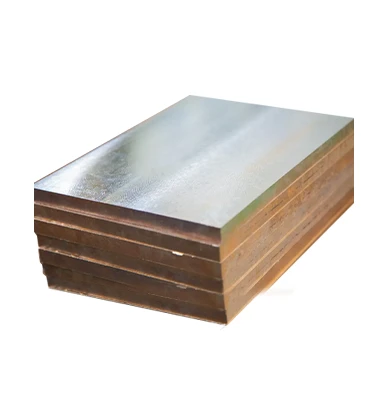
Copper sheeting for walls
Copper sheeting for walls is a highly versatile and aesthetically striking material widely used in interior and exterior architectural design. Its unique combination of durability, corrosion resistance, and visual appeal makes it a popular choice for both residential and commercial spaces. Copper sheets can be applied as full wall panels, feature walls, or decorative accents, creating a warm, luxurious, and timeless look that naturally develops a patina over time, adding depth and character to any environment.
One of the main advantages of copper sheeting is its long-lasting durability. Copper is naturally resistant to corrosion, rust, and microbial growth, making it an ideal material for areas exposed to moisture or high humidity, such as kitchens, bathrooms, or humid commercial environments. This resistance ensures that copper walls maintain their structural integrity and aesthetic appeal for decades with minimal maintenance. Additionally, copper is a highly malleable metal, allowing it to be cut, embossed, or shaped into custom designs, patterns, and textures, which adds artistic flexibility to architectural projects.
Copper sheeting also offers functional benefits beyond aesthetics. Its excellent thermal and electrical conductivity can contribute to energy efficiency in specific applications, while its natural antimicrobial properties make it a hygienic choice for hospitals, restaurants, or other public spaces. Available in various thicknesses and finishes—including polished, brushed, antiqued, and pre-patinated—copper sheets can be tailored to match contemporary, rustic, or industrial design themes.
Installation of copper sheeting is relatively straightforward. It can be mounted using adhesives, screws, or concealed fixings, depending on the wall type and design requirements. Proper sealing and occasional polishing can preserve its original shine, while allowing the metal to age gracefully if a patina finish is desired.
Overall, copper sheeting for walls combines elegance, durability, and functionality, making it a premium choice for designers and homeowners seeking a unique, long-lasting, and visually dynamic wall solution. Its natural beauty, adaptability, and maintenance-friendly properties ensure it remains a timeless feature in modern architecture.