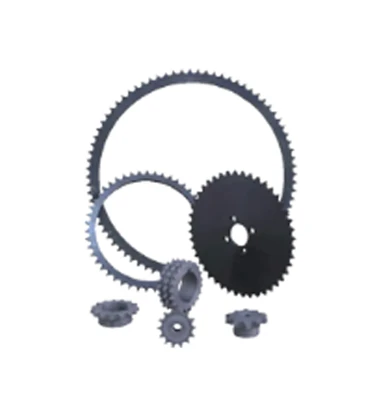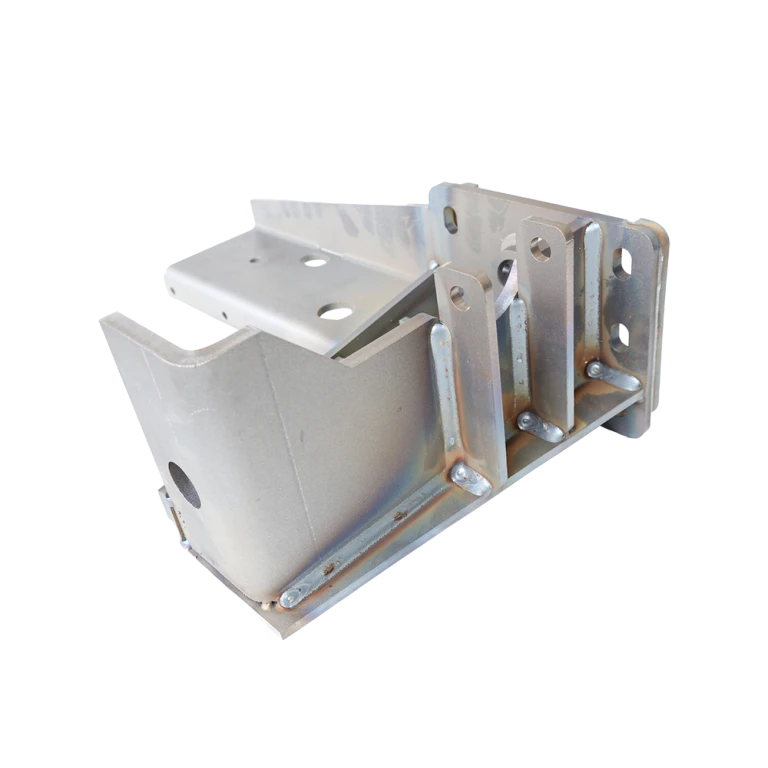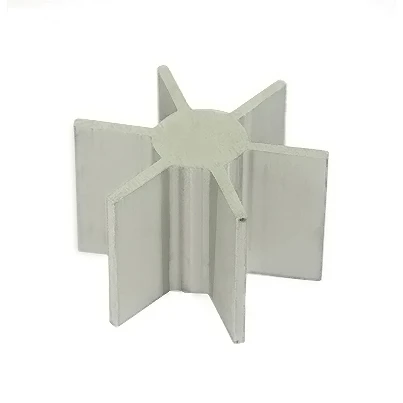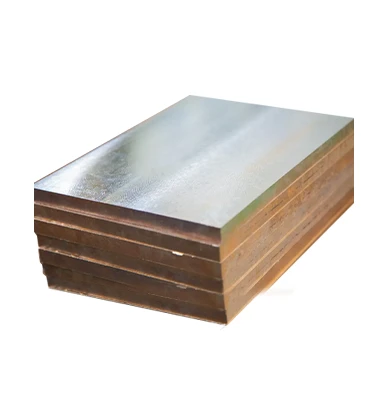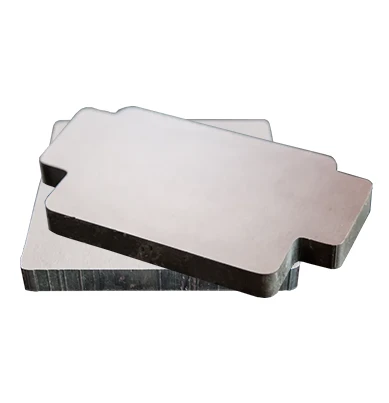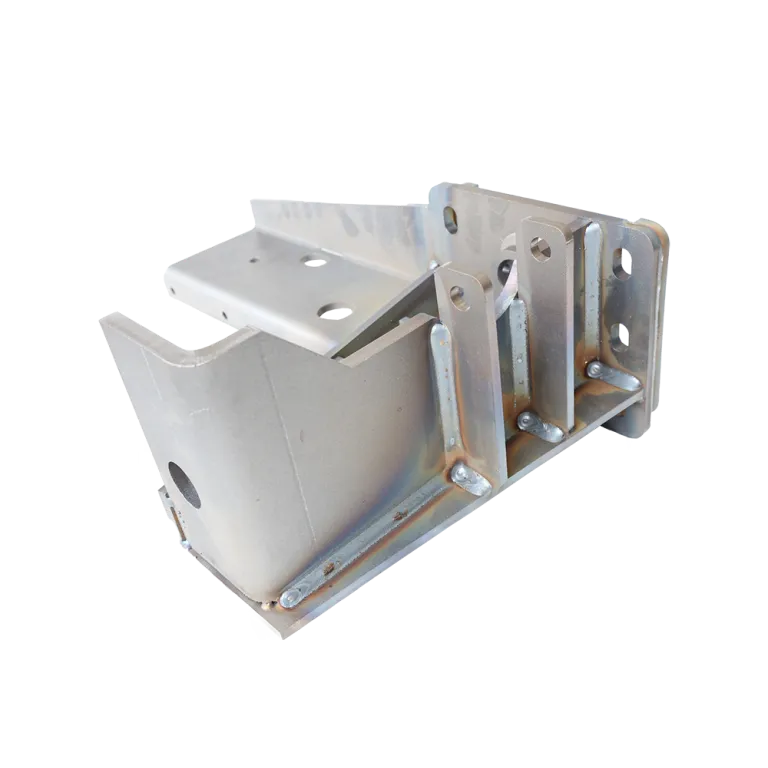








Ve srovnání s jinými typy komponentů, obráběné díly jsou proslulé svou výjimečnou přesností a vynikající kvalitou, což je činí ideálními pro splnění přísných průmyslových požadavků.
Naše schopnosti zahrnují širokou škálu technik, včetně, ale nikoli výhradně, Frézování、Soustružení、Vrtání a Nudný、Broušení、Drátová EDM (Elektrické obrábění)Řezání ozubených kol atd. Odebíráním materiálu z plných bloků (tyčí, plechů nebo výkovků) vyrábíme zakázkové díly, obzvláště vhodné pro aplikace vyžadující přesné tolerance.
Naše obráběné součásti jsou vyrobeny z různých materiálů, včetně: Uhlíková ocel (tyče/desky)Legovaná ocel、Výkovky、Hliník (tyče/desky)Nerez (tyče/desky)Měď (tyče/desky)Technické plasty (Nylon, PE/PP/PVC tyče/desky)Litina (Šedá/tvárná litina)Litá ocel/Litá nerezová ocel/Litý hliník/Litá měď.
Pro zvýšení efektivity a přesnosti používáme následující stroje: Malé automatické soustruhy 、Víceosá CNC obráběcí centra 、Vysokorychlostní CNC soustruhy、Soustružnicko-frézovací stroje、Portálová obráběcí centra、Flexibilní výrobní jednotky (FMS) atd.
Pro zajištění integrity materiálu a rozměrové přesnosti používáme následující kontrolní nástroje, přístroje a zařízení.
Kontrola rozměrů: Souřadnicové měřicí stroje (CMM), optické projektory, měřiče házivosti, mikrometry a mikronové hladinoměry.
Kvalita povrchu: Drsnostomery pro ověření povrchové úpravy (možné zakázkové hodnoty Ra). Ověřování materiálu: Spektrometry, tvrdoměry a tahové zkušební stroje.
Nedestruktivní testování (NDT): Kontroly penetrací barviva a ultrazvukové kontroly.
Mezi další poskytované služby s přidanou hodnotou patří povrchová úprava a tepelné zpracování.
Povrchové úpravyPokovování (zinek/nikl/titan) pro odolnost proti korozi. Eloxování pro zvýšení odolnosti proti opotřebení. Leštění, lakování, modré/černění pro prevenci koroze a zlepšení estetiky.
Tepelné zpracováníKalení, popouštění, žíhání, normalizace. Cementace/nitridace pro povrchové kalení.
Vysoká přesnost obráběných dílů zajišťuje dokonalou kompatibilitu mezi komponenty, což výrazně zlepšuje přesnost zařízení a provozní stabilitu. To nejen zvyšuje efektivitu výroby, ale také snižuje poruchovost zařízení. Obráběné díly se proto široce používají v odvětvích, jako je petrochemie, výroba energie, potravinářský a farmaceutický průmysl, stavba lodí, stavebnictví a strojírenství.
Společnost Hebei Windzone s rozsáhlými zkušenostmi se specializuje na výrobu komponentů dle výkresů dodaných zákazníkem a je odhodlána poskytovat vysoce kvalitní služby. Snažíme se zajistit, aby každý projekt splňoval nebo předčil očekávání zákazníka. Ať už je vaše objednávka velká nebo malá, rádi se s námi podělíme o své výkresy k další diskusi.
Díly z uhlíkové oceli


Díly z nerezové oceli


Hliníkové díly


Díly z kontinuální litiny


Měděné díly


Nylonové díly


Typy mechanických součástí
Mechanical parts are the basic components used in machines to transmit motion, support loads, and control mechanical systems. They can be classified into several main types according to their functions.
First, fasteners are widely used to join different parts together. Common fasteners include bolts, nuts, screws, washers, and rivets. They allow components to be assembled and disassembled easily for maintenance or replacement. Fasteners are essential in almost all mechanical structures.
Second, power transmission parts are used to transfer energy from one component to another. Examples include shafts, gears, belts, chains, and couplings. Shafts transmit rotational motion, while gears change speed, torque, or direction. Belts and chains are often used when flexible or long-distance power transmission is required.
Third, supporting and guiding parts help maintain stability and reduce friction. Bearings, bushings, and guides belong to this category. Bearings support rotating shafts and reduce friction between moving surfaces, improving efficiency and service life of machines.
Fourth, sealing parts are designed to prevent leakage of fluids or gases. Common sealing elements include gaskets, O-rings, oil seals, and packing. These parts are especially important in hydraulic and pneumatic systems.
Finally, elastic and damping parts, such as springs and shock absorbers, are used to store energy, absorb vibration, and reduce impact. They play a key role in improving safety and comfort in mechanical systems.
Together, these mechanical parts form the foundation of modern machinery and industrial equipment.
Návrh mechanických součástí
Mechanical parts design is a fundamental aspect of mechanical engineering that focuses on creating components capable of performing specific functions safely, efficiently, and reliably. The design process begins with a clear understanding of functional requirements, such as load conditions, motion type, working environment, and service life. These factors determine the overall structure and performance targets of the mechanical part.
Material selection is a critical step in mechanical parts design. Engineers choose materials based on strength, stiffness, wear resistance, corrosion resistance, and cost. Common materials include carbon steel, alloy steel, aluminum alloys, plastics, and composite materials. Proper material selection ensures that the part can withstand mechanical stress while remaining economical and manufacturable.
Structural design and dimensioning are also essential. Designers must calculate stresses, strains, and safety factors to avoid failure under working loads. At the same time, they aim to minimize weight and material usage. Tolerances and surface finishes are carefully specified to ensure proper fit, smooth operation, and interchangeability of parts.
Manufacturing considerations play an important role in the design stage. A well-designed mechanical part should be easy to produce using available processes such as casting, machining, forging, or additive manufacturing. Designers must also consider assembly, maintenance, and replacement.
In addition, modern mechanical parts design increasingly relies on computer-aided design (CAD) and simulation tools. These technologies improve accuracy, reduce development time, and enhance overall product quality.
What Are The Mechanical Parts
Mechanical parts are the fundamental elements that make up machines and mechanical systems. They are designed to perform specific functions such as transmitting motion, supporting loads, reducing friction, sealing fluids, or controlling movement. Almost every machine, from simple tools to complex industrial equipment, is composed of various mechanical parts working together.
One major category of mechanical parts is fastening parts. These include bolts, nuts, screws, pins, keys, and rivets. Fasteners are used to connect different components into a complete structure. They allow machines to be assembled, disassembled, and repaired efficiently. Proper fastening ensures structural stability and safety during operation.
Another important group is power transmission parts, which transfer energy from one part of a machine to another. Common examples are shafts, gears, belts, chains, pulleys, and couplings. Shafts are used to transmit rotational motion, while gears are used to change speed, torque, or direction. Belts and chains are suitable for long-distance or flexible power transmission and are widely used in engines and conveyor systems.
Supporting and guiding parts play a key role in maintaining accuracy and reducing friction. Bearings, bushings, sliders, and guide rails belong to this category. Bearings support rotating or moving shafts and significantly reduce friction between contact surfaces, improving efficiency and extending the service life of machines.
Sealing parts are essential in systems that involve liquids or gases. Typical sealing components include gaskets, O-rings, oil seals, and mechanical seals. Their main function is to prevent leakage, maintain pressure, and protect internal components from contamination.
In addition, there are elastic and damping parts, such as springs, shock absorbers, and dampers. Springs store and release energy, control motion, and absorb shocks. Dampers reduce vibration and impact, improving the stability and comfort of mechanical systems.
Other mechanical parts include housings, frames, cams, valves, and levers, each serving specialized functions. Together, these mechanical parts form complete machines that support modern manufacturing, transportation, energy production, and daily life.