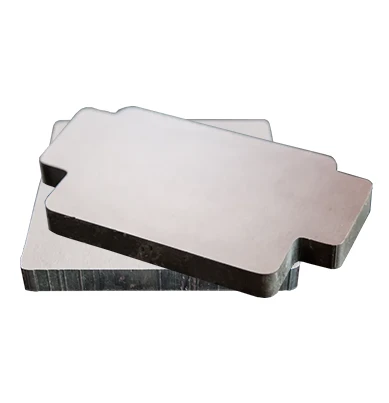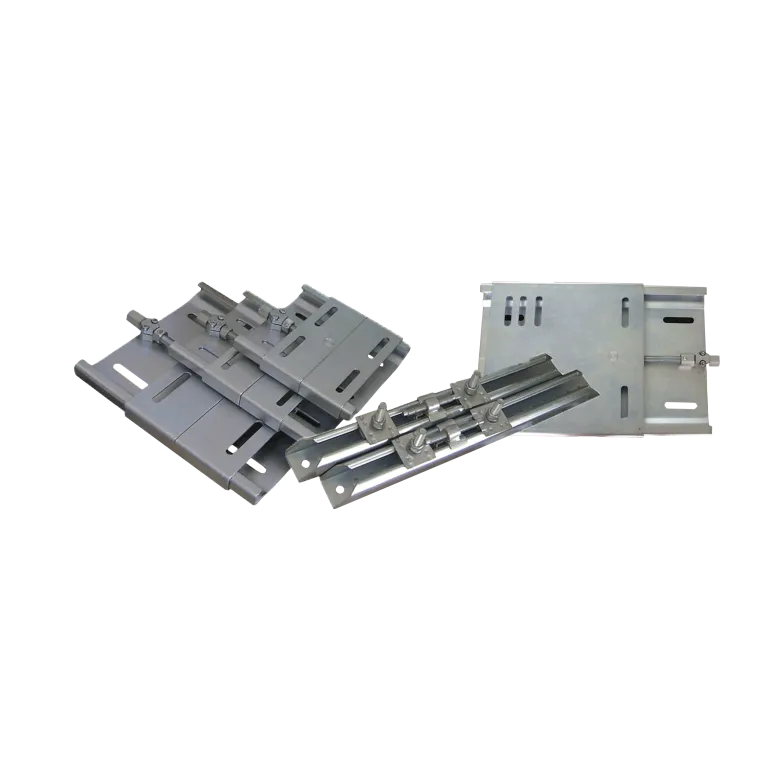








U usporedbi s drugim vrstama komponenti, strojno obrađeni dijelovi poznati su po svojoj iznimnoj preciznosti i vrhunskoj kvaliteti, što ih čini idealnim za zadovoljavanje strogih industrijskih zahtjeva.
Naše mogućnosti obuhvaćaju širok raspon tehnika, uključujući, ali ne ograničavajući se na Mljevenje、Okretanje、Bušenje & Dosadno、Mljevenje、Žičana erozija (Elektroerozivna obrada)Rezanje zupčanika itd. Uklanjanjem materijala iz punih blokova (šipki, ploča ili otkivaka) proizvodimo prilagođene dijelove, posebno prikladne za primjene koje zahtijevaju uske tolerancije.
Naše strojno obrađene komponente izrađene su od raznih materijala, uključujući: Ugljični čelik (šipke/ploče)Legirani čelik、Otkivci、Aluminij (šipke/ploče)Nehrđajući čelik (šipke/ploče)Bakar (šipke/ploče)Inženjerska plastika (Najlon, PE/PP/PVC šipke/ploče)Lijevano željezo (Sivo/nodularno lijevano željezo)Lijevani čelik/Lijevani nehrđajući čelik/Lijevani aluminij/Lijevani bakar.
Za veću učinkovitost i preciznost koristimo sljedeće strojeve: Mali automatski tokarilice 、Višeosni CNC obradni centri 、CNC tokarilice velike brzine、Strojevi za tokarenje i glodanje、Portalni obradni centri、Fleksibilne proizvodne jedinice (FMS) itd.
Kako bismo osigurali integritet materijala i dimenzijsku točnost, koristimo sljedeće alate, instrumente i opremu za inspekciju.
Dimenzionalna inspekcija: Koordinatni mjerni strojevi (CMM), optički projektori, mjerači odstupanja, mikrometri i mjerači razine u mikronima.
Kvaliteta površineUređaji za mjerenje hrapavosti za provjeru završne obrade površine (moguće su prilagođene Ra vrijednosti). Provjera materijala: Spektrometri, mjerači tvrdoće i strojevi za ispitivanje vlačne čvrstoće.
Nerazorna ispitivanja (NDT): Ispitivanja penetrantom boje i ultrazvukom.
Dodatne usluge s dodanom vrijednošću uključuju površinsku obradu i toplinsku obradu.
Površinske obradePrevlačenje (cink/nikal/titan) za otpornost na koroziju. Anodizacija za poboljšanje otpornosti na habanje. Poliranje, bojanje, plavo/crnjenje za sprječavanje hrđe i poboljšanu estetiku.
Toplinska obradaKaljenje, otpuštanje, žarenje, normalizacija. Cementacija/nitriranje za površinsko kaljenje.
Visoka preciznost strojno obrađenih dijelova osigurava savršenu kompatibilnost između komponenti, značajno poboljšavajući točnost opreme i operativnu stabilnost. To ne samo da povećava učinkovitost proizvodnje, već i smanjuje stopu kvarova opreme. Stoga se strojno obrađeni dijelovi široko koriste u industrijama kao što su petrokemija, proizvodnja energije, prehrambena i farmaceutska industrija, brodogradnja, građevinarstvo i strojarska oprema.
S bogatim iskustvom, Hebei Windzone specijaliziran je za proizvodnju komponenti prema nacrtima koje dostavi kupac i posvećen je pružanju visokokvalitetnih usluga. Trudimo se osigurati da svaki projekt ispuni ili premaši očekivanja kupaca. Bez obzira je li vaša narudžba velika ili mala, pozivamo vas da podijelite svoje crteže s nama za daljnju raspravu.
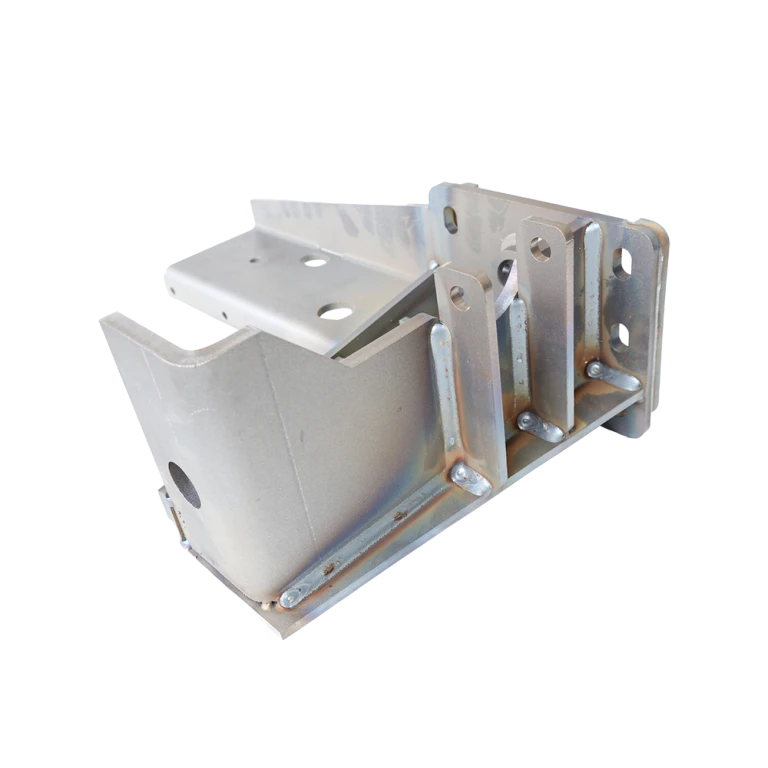
Dijelovi od ugljičnog čelika


Dijelovi od nehrđajućeg čelika


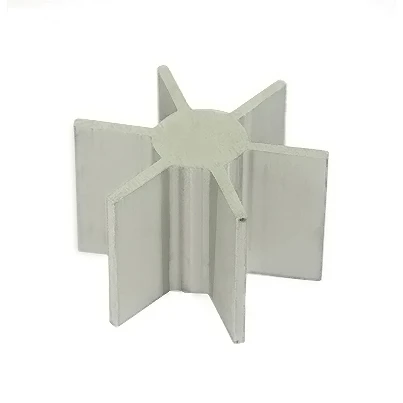
Aluminijski dijelovi


Dijelovi od kontinuiranog lijevanog željeza


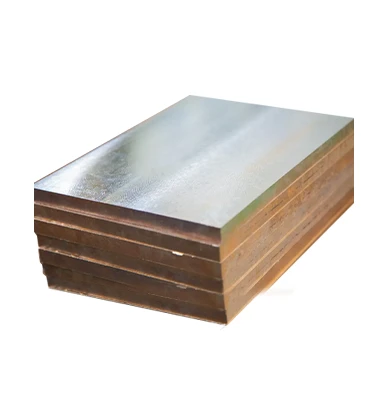
Bakreni dijelovi


Najlonski dijelovi


Vrste mehaničkih dijelova
Mechanical parts are the basic components used in machines to transmit motion, support loads, and control mechanical systems. They can be classified into several main types according to their functions.
First, fasteners are widely used to join different parts together. Common fasteners include bolts, nuts, screws, washers, and rivets. They allow components to be assembled and disassembled easily for maintenance or replacement. Fasteners are essential in almost all mechanical structures.
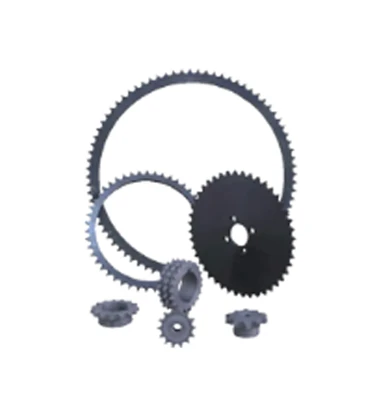
Second, power transmission parts are used to transfer energy from one component to another. Examples include shafts, gears, belts, chains, and couplings. Shafts transmit rotational motion, while gears change speed, torque, or direction. Belts and chains are often used when flexible or long-distance power transmission is required.
Third, supporting and guiding parts help maintain stability and reduce friction. Bearings, bushings, and guides belong to this category. Bearings support rotating shafts and reduce friction between moving surfaces, improving efficiency and service life of machines.
Fourth, sealing parts are designed to prevent leakage of fluids or gases. Common sealing elements include gaskets, O-rings, oil seals, and packing. These parts are especially important in hydraulic and pneumatic systems.
Finally, elastic and damping parts, such as springs and shock absorbers, are used to store energy, absorb vibration, and reduce impact. They play a key role in improving safety and comfort in mechanical systems.
Together, these mechanical parts form the foundation of modern machinery and industrial equipment.
Dizajn mehaničkih dijelova
Mechanical parts design is a fundamental aspect of mechanical engineering that focuses on creating components capable of performing specific functions safely, efficiently, and reliably. The design process begins with a clear understanding of functional requirements, such as load conditions, motion type, working environment, and service life. These factors determine the overall structure and performance targets of the mechanical part.
Material selection is a critical step in mechanical parts design. Engineers choose materials based on strength, stiffness, wear resistance, corrosion resistance, and cost. Common materials include carbon steel, alloy steel, aluminum alloys, plastics, and composite materials. Proper material selection ensures that the part can withstand mechanical stress while remaining economical and manufacturable.
Structural design and dimensioning are also essential. Designers must calculate stresses, strains, and safety factors to avoid failure under working loads. At the same time, they aim to minimize weight and material usage. Tolerances and surface finishes are carefully specified to ensure proper fit, smooth operation, and interchangeability of parts.
Manufacturing considerations play an important role in the design stage. A well-designed mechanical part should be easy to produce using available processes such as casting, machining, forging, or additive manufacturing. Designers must also consider assembly, maintenance, and replacement.
In addition, modern mechanical parts design increasingly relies on computer-aided design (CAD) and simulation tools. These technologies improve accuracy, reduce development time, and enhance overall product quality.
What Are The Mechanical Parts
Mechanical parts are the fundamental elements that make up machines and mechanical systems. They are designed to perform specific functions such as transmitting motion, supporting loads, reducing friction, sealing fluids, or controlling movement. Almost every machine, from simple tools to complex industrial equipment, is composed of various mechanical parts working together.
One major category of mechanical parts is fastening parts. These include bolts, nuts, screws, pins, keys, and rivets. Fasteners are used to connect different components into a complete structure. They allow machines to be assembled, disassembled, and repaired efficiently. Proper fastening ensures structural stability and safety during operation.
Another important group is power transmission parts, which transfer energy from one part of a machine to another. Common examples are shafts, gears, belts, chains, pulleys, and couplings. Shafts are used to transmit rotational motion, while gears are used to change speed, torque, or direction. Belts and chains are suitable for long-distance or flexible power transmission and are widely used in engines and conveyor systems.
Supporting and guiding parts play a key role in maintaining accuracy and reducing friction. Bearings, bushings, sliders, and guide rails belong to this category. Bearings support rotating or moving shafts and significantly reduce friction between contact surfaces, improving efficiency and extending the service life of machines.
Sealing parts are essential in systems that involve liquids or gases. Typical sealing components include gaskets, O-rings, oil seals, and mechanical seals. Their main function is to prevent leakage, maintain pressure, and protect internal components from contamination.
In addition, there are elastic and damping parts, such as springs, shock absorbers, and dampers. Springs store and release energy, control motion, and absorb shocks. Dampers reduce vibration and impact, improving the stability and comfort of mechanical systems.
Other mechanical parts include housings, frames, cams, valves, and levers, each serving specialized functions. Together, these mechanical parts form complete machines that support modern manufacturing, transportation, energy production, and daily life.