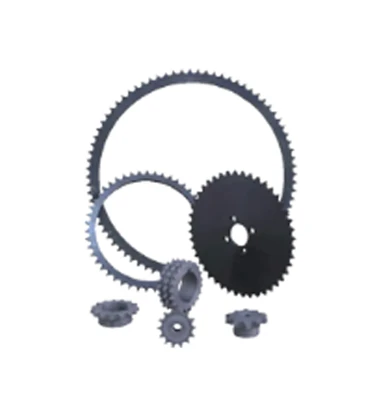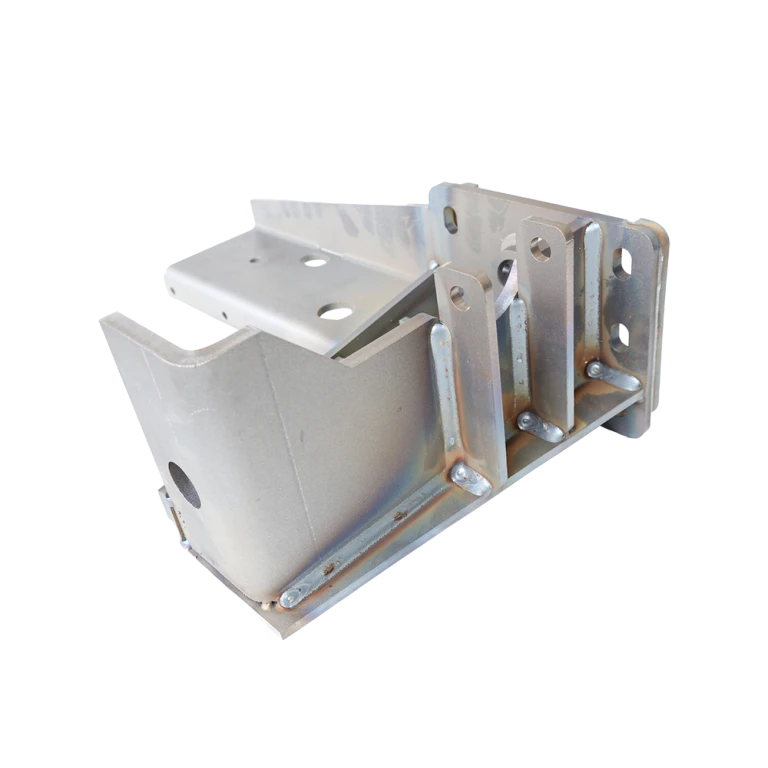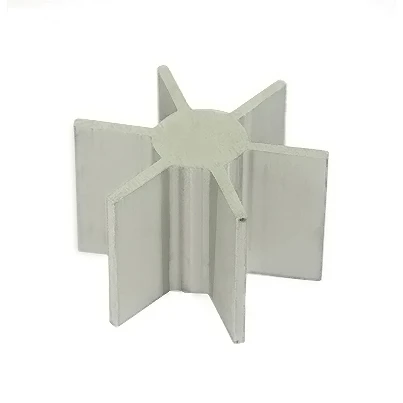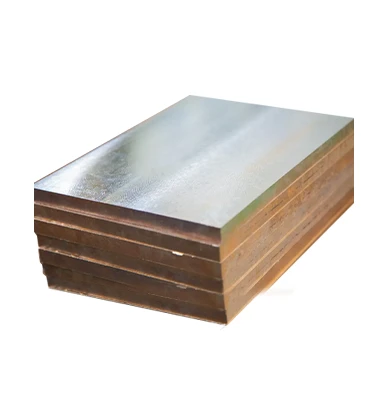








Ikilinganishwa na aina zingine za vifaa, sehemu za mashine zinajulikana kwa usahihi wa kipekee na ubora wa hali ya juu, na kuzifanya kuwa bora kwa kukidhi mahitaji magumu ya viwanda.
Uwezo wetu unajumuisha anuwai ya mbinu, pamoja na lakini sio tu Kusaga、Kugeuka、Kuchimba visima & Inachosha、Kusaga、EDM ya waya (Machining ya Utoaji wa Umeme),Kukata Gear n.k. Kwa kuondoa nyenzo kutoka kwa vizuizi vilivyo imara (baa, sahani, au kughushi), tunatoa sehemu zilizobinafsishwa, zinazofaa zaidi kwa programu zinazohitaji uvumilivu mkali.
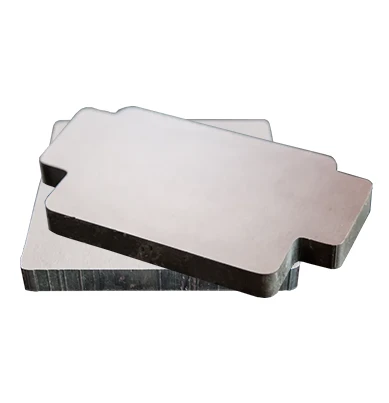
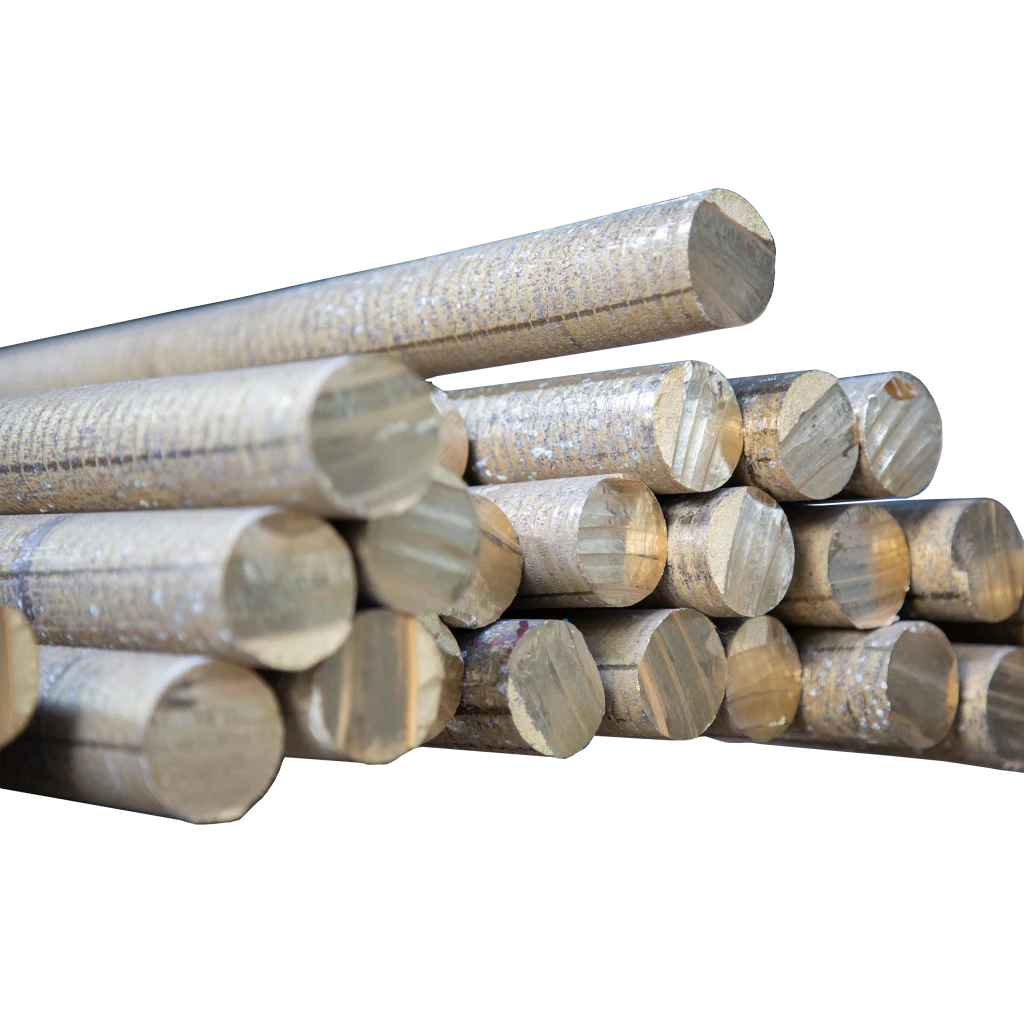
Vipengele vyetu vilivyotengenezwa kwa mashine vimetengenezwa kutoka kwa vifaa mbalimbali, ikiwa ni pamoja na: Chuma cha Carbon (baa/sahani),Aloi ya chuma、Kughushi、Alumini (baa/sahani),Chuma cha pua (baa/sahani),Shaba (baa/sahani),Plastiki za Uhandisi (Nailoni, PE/PP/PVC baa/sahani),Chuma cha Kutupwa (Grey/Ductile Iron),Chuma cha Kutupwa/Tuma Chuma cha pua/Alumini ya kutupwa/Tupa Shaba.
Ili kuongeza ufanisi na usahihi, tunatumia mashine zifuatazo: Lathes Ndogo za Kiotomatiki 、Vituo vya Uchimbaji vya CNC vya Mihimili mingi 、Lathes za kasi ya juu za CNC、Mashine za Kiwanja cha Kugeuza、Vituo vya Uchimbaji wa Gantry、Vitengo Vinavyobadilika vya Utengenezaji (FMS), nk.
Ili kuhakikisha uadilifu wa nyenzo na usahihi wa vipimo, tunatumia zana, zana na vifaa vya ukaguzi vifuatavyo.
Dimensional Ukaguzi: Mashine za Kupima za Kuratibu (CMM), vidhibiti vya macho, vijaribu vya kukimbia, maikromita na vipimo vya kiwango cha mikroni.
Ubora wa uso: Wanaojaribu ukali ili kuthibitisha ukamilifu wa uso (thamani za Ra maalum zinaweza kufikiwa). Uthibitishaji wa Nyenzo: Vipimo, vijaribu vya ugumu na mashine za kupima mkazo.
Upimaji Usio Uharibifu (NDT): Dye hupenya na ukaguzi wa ultrasonic.
Huduma za Ziada za Ongezeko la Thamani zinazotolewa ni pamoja na matibabu ya uso na matibabu ya joto.
Matibabu ya uso: Uwekaji (zinki/nikeli/titani) kwa upinzani wa kutu. Anodizing ili kuongeza upinzani wa kuvaa. Kung'arisha, Kupaka rangi, Rangi ya Bluu/Kuweusi kwa ajili ya kuzuia kutu na urembo ulioboreshwa.
Matibabu ya joto: Kuzima, Kukasirisha, Kuongeza, Kurekebisha. Carburizing/Nitriding kwa ugumu wa uso.
Usahihi wa juu wa sehemu za mashine huhakikisha utangamano kamili kati ya vipengele, kuboresha kwa kiasi kikubwa usahihi wa vifaa na utulivu wa uendeshaji. Hii sio tu huongeza ufanisi wa uzalishaji lakini pia hupunguza viwango vya kushindwa kwa vifaa. Kwa hivyo, sehemu za mashine hutumiwa sana katika tasnia kama vile Petrochemical, Uzalishaji wa Nguvu, Chakula na Dawa, Uundaji wa Meli, Uhandisi wa Ujenzi, Vifaa vya Mitambo.
Akiwa na uzoefu mkubwa, Hebei Windzone ana utaalam wa kutengeneza vipengee kulingana na michoro iliyotolewa na mteja na wamejitolea kutoa huduma za hali ya juu. Tunajitahidi kuhakikisha kwamba kila mradi unakidhi au kuzidi matarajio ya wateja. Ikiwa agizo lako ni kubwa au dogo, tunakukaribisha ushiriki michoro yako nasi kwa majadiliano zaidi.
Sehemu za Chuma cha Carbon


Sehemu za Chuma cha pua


Sehemu za Aluminium


Sehemu za Chuma Zinazoendelea Kutupwa


Sehemu za Shaba


Sehemu za Nylon


Aina za Sehemu za Mitambo
Mechanical parts are the basic components used in machines to transmit motion, support loads, and control mechanical systems. They can be classified into several main types according to their functions.
First, fasteners are widely used to join different parts together. Common fasteners include bolts, nuts, screws, washers, and rivets. They allow components to be assembled and disassembled easily for maintenance or replacement. Fasteners are essential in almost all mechanical structures.
Second, power transmission parts are used to transfer energy from one component to another. Examples include shafts, gears, belts, chains, and couplings. Shafts transmit rotational motion, while gears change speed, torque, or direction. Belts and chains are often used when flexible or long-distance power transmission is required.
Third, supporting and guiding parts help maintain stability and reduce friction. Bearings, bushings, and guides belong to this category. Bearings support rotating shafts and reduce friction between moving surfaces, improving efficiency and service life of machines.
Fourth, sealing parts are designed to prevent leakage of fluids or gases. Common sealing elements include gaskets, O-rings, oil seals, and packing. These parts are especially important in hydraulic and pneumatic systems.
Finally, elastic and damping parts, such as springs and shock absorbers, are used to store energy, absorb vibration, and reduce impact. They play a key role in improving safety and comfort in mechanical systems.
Together, these mechanical parts form the foundation of modern machinery and industrial equipment.
Ubunifu wa Sehemu za Mitambo
Mechanical parts design is a fundamental aspect of mechanical engineering that focuses on creating components capable of performing specific functions safely, efficiently, and reliably. The design process begins with a clear understanding of functional requirements, such as load conditions, motion type, working environment, and service life. These factors determine the overall structure and performance targets of the mechanical part.
Material selection is a critical step in mechanical parts design. Engineers choose materials based on strength, stiffness, wear resistance, corrosion resistance, and cost. Common materials include carbon steel, alloy steel, aluminum alloys, plastics, and composite materials. Proper material selection ensures that the part can withstand mechanical stress while remaining economical and manufacturable.
Structural design and dimensioning are also essential. Designers must calculate stresses, strains, and safety factors to avoid failure under working loads. At the same time, they aim to minimize weight and material usage. Tolerances and surface finishes are carefully specified to ensure proper fit, smooth operation, and interchangeability of parts.
Manufacturing considerations play an important role in the design stage. A well-designed mechanical part should be easy to produce using available processes such as casting, machining, forging, or additive manufacturing. Designers must also consider assembly, maintenance, and replacement.
In addition, modern mechanical parts design increasingly relies on computer-aided design (CAD) and simulation tools. These technologies improve accuracy, reduce development time, and enhance overall product quality.
What Are The Mechanical Parts
Mechanical parts are the fundamental elements that make up machines and mechanical systems. They are designed to perform specific functions such as transmitting motion, supporting loads, reducing friction, sealing fluids, or controlling movement. Almost every machine, from simple tools to complex industrial equipment, is composed of various mechanical parts working together.
One major category of mechanical parts is fastening parts. These include bolts, nuts, screws, pins, keys, and rivets. Fasteners are used to connect different components into a complete structure. They allow machines to be assembled, disassembled, and repaired efficiently. Proper fastening ensures structural stability and safety during operation.
Another important group is power transmission parts, which transfer energy from one part of a machine to another. Common examples are shafts, gears, belts, chains, pulleys, and couplings. Shafts are used to transmit rotational motion, while gears are used to change speed, torque, or direction. Belts and chains are suitable for long-distance or flexible power transmission and are widely used in engines and conveyor systems.
Supporting and guiding parts play a key role in maintaining accuracy and reducing friction. Bearings, bushings, sliders, and guide rails belong to this category. Bearings support rotating or moving shafts and significantly reduce friction between contact surfaces, improving efficiency and extending the service life of machines.
Sealing parts are essential in systems that involve liquids or gases. Typical sealing components include gaskets, O-rings, oil seals, and mechanical seals. Their main function is to prevent leakage, maintain pressure, and protect internal components from contamination.
In addition, there are elastic and damping parts, such as springs, shock absorbers, and dampers. Springs store and release energy, control motion, and absorb shocks. Dampers reduce vibration and impact, improving the stability and comfort of mechanical systems.
Other mechanical parts include housings, frames, cams, valves, and levers, each serving specialized functions. Together, these mechanical parts form complete machines that support modern manufacturing, transportation, energy production, and daily life.