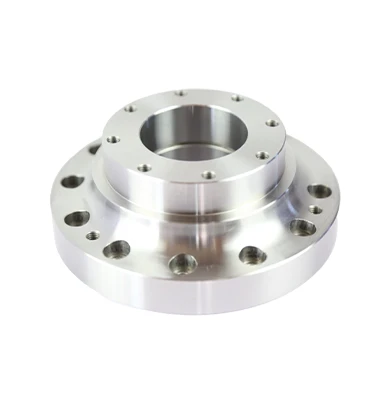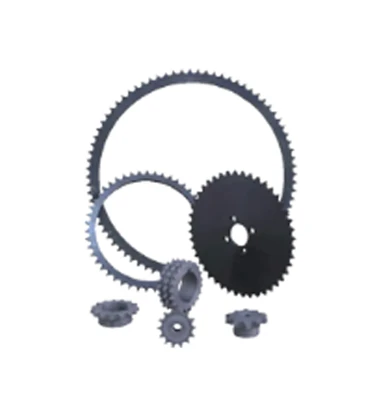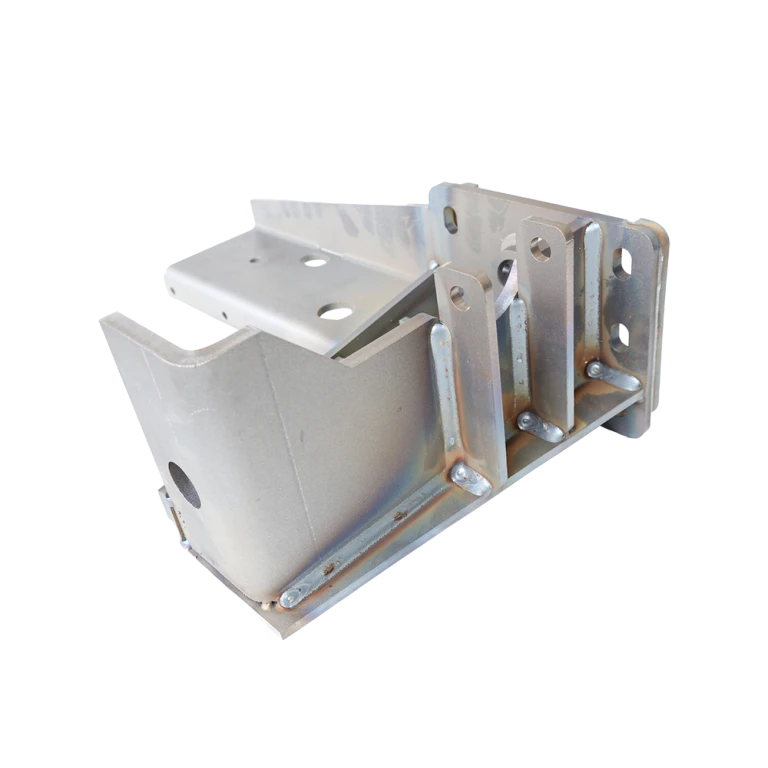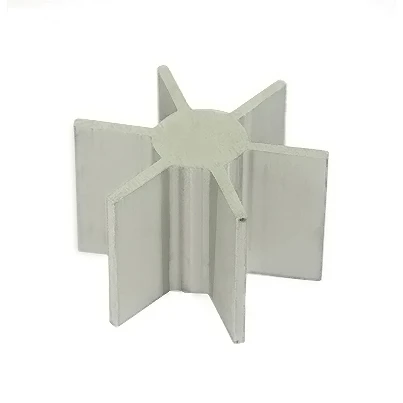








صب هي عملية تصنيع تتضمن صب المعدن المنصهر في تجويف قالب، حيث يتصلب عند التبريد ليشكل مكونات محددة. تُعد هذه التقنية مناسبة بشكل خاص لإنتاج القطع التي تتطلب قوة ومتانة وهندسة معقدة، وتشمل تطبيقاتها الشائعة كتل المحركات، وهياكل المضخات الهيدروليكية، والصمامات الصناعية، وأغلفة المعدات، ومكونات الآلات الهندسية الثقيلة.
تغطي خدمات الصب الشاملة لدينا المواد التالية:
الحديد الزهر: الحديد الرمادي (HT200، HT250، HT300)، الحديد المطاوع (QT500-7، QT400-15، QT600-3)، سبائك الحديد الرمادي (HTMBCuCr-250)
الألومنيوم المصبوب:سبائك الألومنيوم (ZL101، ZL104، ZL110 وما إلى ذلك)
الفولاذ المصبوب: فولاذ كربوني (ZG200-400، ZG230-450، ZG270-500، إلخ.) فولاذ سبائكي (G20Mn5، ZG20CrMo، ZG42CrMo، GS-18NiMoCr3، ZG15CrMo، ZG40Cr، إلخ.) فولاذ عالي السبائك (GX120Mn12)
صب الفولاذ المقاوم للصدأ:الفولاذ المقاوم للصدأ الأوستنيتي (06Cr19Ni10، 0Cr17Ni12Mo2 وما إلى ذلك)
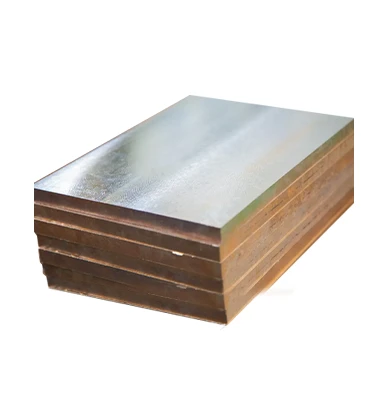
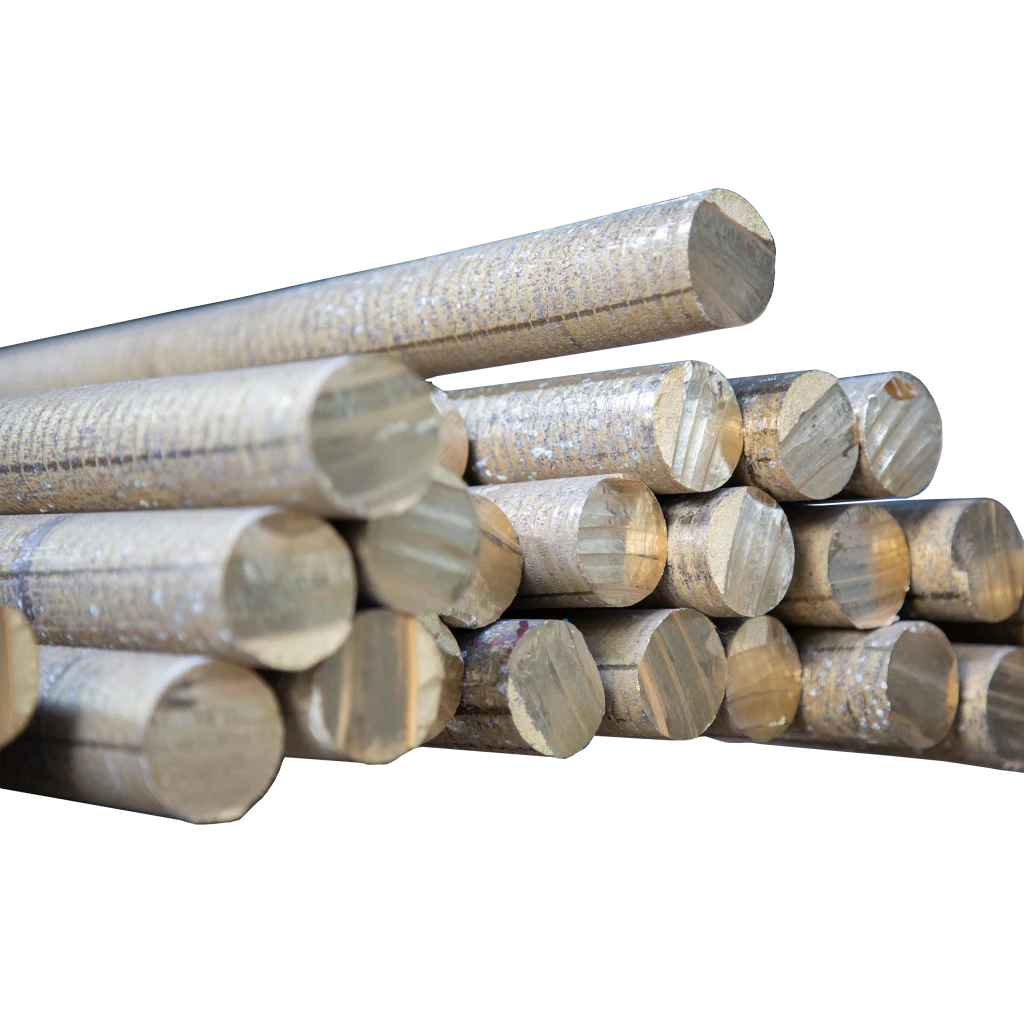
مصبوبات سبائك النحاس: ZCuSn10P1، ZCuPb10Sn10، ZCuAl8Mn13Fe3، ZCuZn38، ZCuNi10Fe1Mn1، Qbe0.3-1.5، إلخ.
تتميز المواد المختلفة بخصائص فريدة مصممة خصيصًا لسيناريوهات محددة:
على سبيل المثال، الحديد المطاوع:تشتهر بأدائها الميكانيكي المتفوق، وتستخدم على نطاق واسع في علب التروس الثقيلة، وأعمدة الكرنك، ومكونات مجموعة نقل الحركة الأخرى. سبائك الألومنيوم:تتميز بخفة وزنها ومقاومتها للتآكل وتوصيلها الحراري الممتاز، ويتم تطبيقها على نطاق واسع في صناعات الطيران والسيارات. الفولاذ المقاوم للصدأ الأوستنيتي:يوفر مقاومة استثنائية للتآكل، مما يجعله مثاليًا لمعدات المعالجة الكيميائية ومكونات البيئة البحرية.
عمليات الصب المتنوعة لتلبية الاحتياجات المتنوعة:
على سبيل المثال، صب الرمل:تستخدم قوالب الرمل، وهي مناسبة للصب المكون من قطعة واحدة، أو الدفعات الصغيرة، أو على نطاق واسع. صب قوالب المعادن:تستخدم قوالب معدنية متينة ذات عمر خدمة طويل، وهي مثالية للمكونات المنتجة بكميات كبيرة. صب الضغط:الصب بالقالب تحت الضغط العالي والصب بالضغط المنخفض، محسن لأجزاء سبائك الألومنيوم. الصب الدقيق (على سبيل المثال، الصب الاستثماري): ينتج أجزاء معقدة ذات تشطيب سطحي عالي ودقة أبعاد. صب الرغوة المفقودة:يستخدم أنماط الرغوة لإنشاء قوالب ضخمة الحجم ذات بنية معقدة. الصب بالطرد المركزي: طريقة صب تستخدم القوالب وقوة الطرد المركزي لإنتاج مصبوبات مجوفة أو أنبوبية. تُعد هذه العملية مناسبة بشكل خاص لإنتاج الأجزاء الأسطوانية أو الحلقية، مثل الأنابيب، وبطانات الأسطوانات، والبطانات، والعناصر الهيكلية الحلقية. تضمن قوة الطرد المركزي توزيعًا متساويًا للمواد، وتحسينًا في خصائصها المعدنية في المنتج النهائي.الطباعة ثلاثية الأبعاد:يتيح إنشاء النماذج الأولية السريعة والتخصيص بكميات صغيرة.
أنظمة ضمان الجودة:
مادةاختبار ال:مجهزة بأجهزة قياس الطيف، وأجهزة اختبار الشد، وأجهزة اختبار الصلابة، وأجهزة التحليل السريع أمام الفرن. التحكم في الأبعاد:يستخدم أدوات القياس الدقيقة والمقاييس ومعدات التفتيش المتقدمة. مرحلة ما بعد المعالجة:معالجة السطح: رش الطلاء، طلاء المسحوق، الخ. المعالجات الحرارية: التبريد، والتصلب، وغيرها من العمليات لتعزيز الخصائص الميكانيكية.
خدمات التصنيع المتكاملة:
نقدم حلولاً متكاملة، من الصب إلى المنتجات النهائية، بما في ذلك التصنيع الدقيق والتجميع والمعالجة اللاحقة حسب الطلب. تلتزم Hebei Windzone بتقديم مصبوبات عالية الجودة والأداء، تلبي توقعات العملاء أو تتجاوزها.
للحصول على معلومات مفصلة عن المنتج أو مناقشات تقنية، لا تترددوا في التواصل معنا. نرحب باستفساراتكم لاستكشاف فرص التعاون.
منتجات الحديد الزهر


منتجات الفولاذ المصبوب


منتجات الفولاذ المقاوم للصدأ المصبوب


منتجات الألمنيوم المصبوب


منتجات النحاس المصبوب


"الحدود="0" العرض="947" الارتفاع="710" />
What are casting parts?
Casting parts are components produced by pouring molten material, usually metal or plastic, into a mold where it solidifies into a specific shape. This manufacturing process, known as casting, is one of the oldest and most widely used methods for creating complex shapes and parts with high precision. Casting allows the production of components that would be difficult, expensive, or even impossible to make using other manufacturing methods such as machining or forging.
The main materials used for casting parts are metals like iron, steel, aluminum, copper, and their alloys, as well as polymers and resins for plastic parts. Each material has its own properties, which determine the performance, strength, and application of the final part. For example, aluminum castings are lightweight and corrosion-resistant, making them ideal for automotive and aerospace applications, while steel castings offer high strength for heavy machinery and structural components.
The casting process begins with the creation of a mold, which defines the shape of the part. There are various casting methods, including sand casting, die casting, investment casting, and centrifugal casting. Sand casting is widely used for large and complex shapes, while die casting is suitable for high-volume production with excellent surface finish and dimensional accuracy. Investment casting, also called lost-wax casting, is used to create intricate and precise components. Centrifugal casting is often applied for cylindrical parts such as pipes and bearings.
Casting parts are valued for their ability to produce complex geometries with internal cavities, thin walls, and intricate details that may be difficult to achieve with other methods. They also reduce material waste, as excess material can often be reused. After casting, parts may undergo finishing processes such as machining, heat treatment, polishing, or coating to meet specific quality and performance requirements.
In modern industry, casting parts are used across a wide range of sectors, including automotive, aerospace, construction, electronics, and energy. From engine blocks and turbine blades to pump housings and decorative items, casting provides the versatility and efficiency needed to manufacture both functional and aesthetic components. Its combination of flexibility, cost-effectiveness, and precision makes casting an essential technique in manufacturing.
Difference Between Cast Iron and Cast Steel
Cast iron and cast steel are both widely used ferrous materials produced through casting, but they differ significantly in composition, properties, and applications. Understanding these differences is essential for selecting the right material for engineering and manufacturing purposes.
Composition is one of the main distinctions. Cast iron contains a higher carbon content, typically between 2% and 4%, along with silicon and trace elements. This high carbon content gives cast iron its characteristic hardness and brittleness. Cast steel, on the other hand, contains much less carbon, usually between 0.1% and 1.5%, along with other alloying elements such as manganese, nickel, or chromium. The lower carbon content makes cast steel tougher and more ductile than cast iron.
Mechanical properties also differ. Cast iron is hard, wear-resistant, and has excellent compressive strength, but it is relatively brittle and weak in tension or impact. This makes it suitable for parts where rigidity and wear resistance are important, such as engine blocks, pipes, and machinery bases. Cast steel is stronger in tension, tougher, and less brittle, which allows it to withstand shocks and heavy loads. It is commonly used in structural components, gears, crankshafts, and pressure vessels.
Casting characteristics vary as well. Cast iron melts at a lower temperature than cast steel, making it easier and less expensive to cast. It also solidifies with minimal shrinkage and can reproduce fine details, which is why sand casting is frequently used for cast iron parts. Cast steel requires higher temperatures, and controlling shrinkage and defects is more challenging, often requiring more precise molds and controlled cooling processes.
Applications are determined by these differences. Cast iron is ideal for components where rigidity, vibration damping, and wear resistance are critical, such as engine blocks, brake drums, and pipes. Cast steel is chosen for parts requiring high strength, toughness, and durability under stress, including pressure vessels, structural beams, and heavy-duty machinery parts.
In summary, while both cast iron and cast steel are produced through casting, cast iron is carbon-rich, brittle, and ideal for wear-resistant components, whereas cast steel is stronger, tougher, and suitable for high-stress applications. Selecting between them depends on the mechanical requirements, cost, and intended use of the component.
What are steel castings used for?
Uses of Steel Castings
Automotive Industry
Steel castings are used in engine components, transmission parts, crankshafts, gears, and suspension parts. Their high strength and fatigue resistance make them ideal for parts that experience constant stress and wear.
Aerospace Industry
Steel castings are used in aircraft landing gears, turbine shafts, structural supports, and engine parts. The toughness and reliability of steel ensure safety in high-stress and high-temperature environments.
Construction and Infrastructure
Steel castings are employed in bridges, heavy machinery, cranes, and structural components. Their ability to bear heavy loads and resist impact makes them suitable for critical infrastructure.
Energy Sector
In power generation, steel castings are used for turbine housings, valves, pump components, and nuclear reactor parts. They can withstand high pressure, temperature, and corrosive conditions.
Mining and Industrial Machinery
Steel castings are used for crusher parts, gears, rollers, and other heavy-duty machinery components. They offer wear resistance, impact resistance, and durability, which are essential in harsh industrial environments.
Marine Applications
Marine engines, propeller shafts, and other structural parts are often made of steel castings due to their strength and resistance to fatigue in fluctuating loads and marine conditions.
Steel castings are preferred when high strength, toughness, fatigue resistance, and durability are required. They are widely used in automotive, aerospace, energy, construction, mining, and marine applications. By enabling complex shapes and reducing machining needs, steel casting combines efficiency with performance, making it a cornerstone of modern manufacturing.