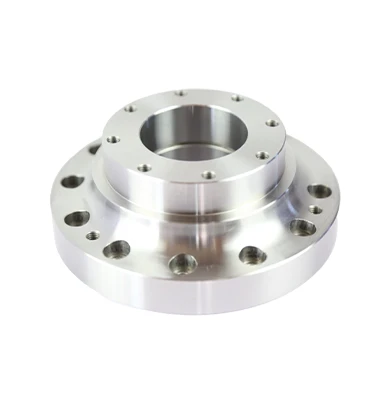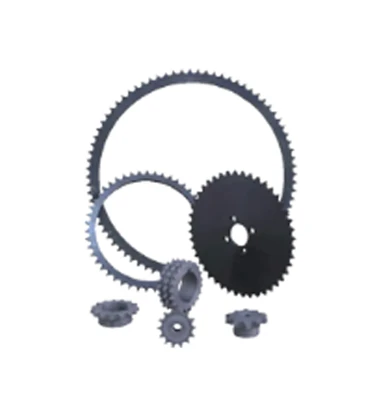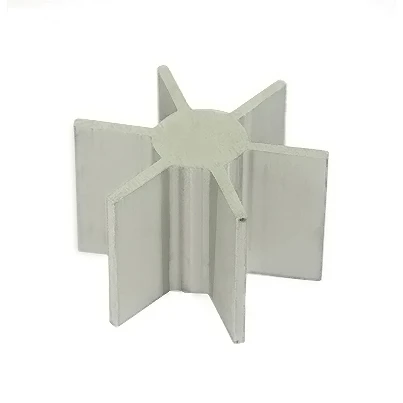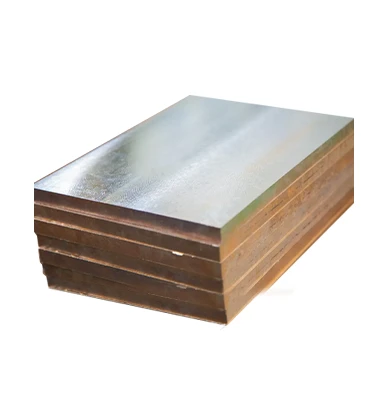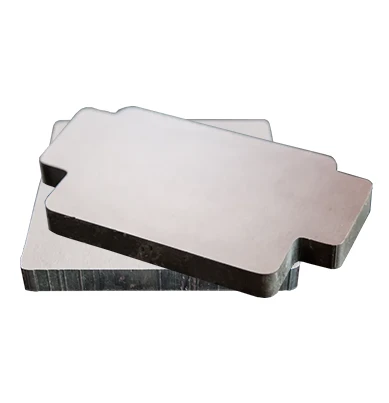







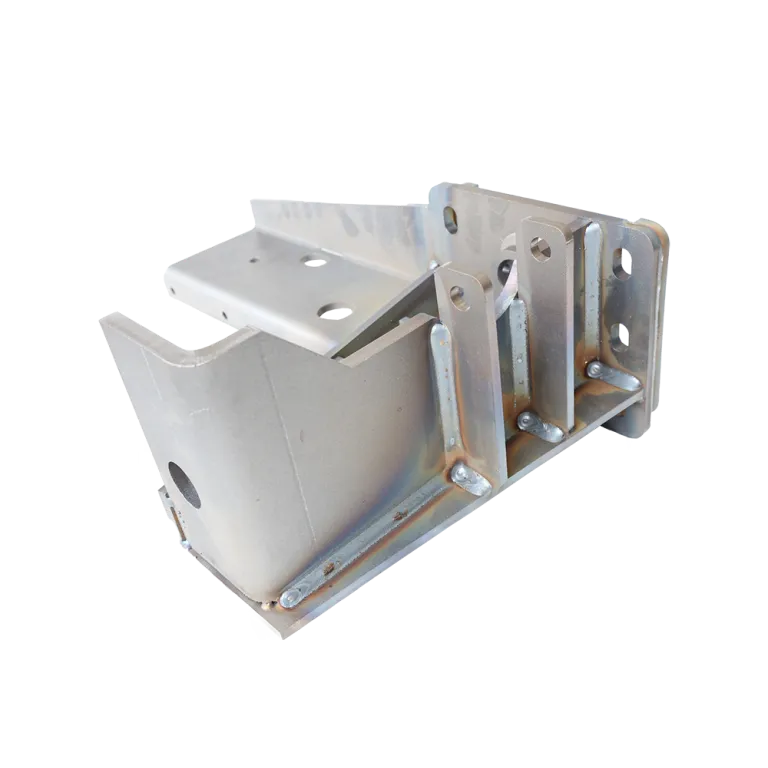


Hà Bắc Khu vực gió cung cấp dịch vụ sản xuất toàn diện, từ chế biến nguyên liệu thô đến thành phẩm, tận dụng các công nghệ cốt lõi như cắt bằng ngọn lửa, cắt laser, uốn cong, hàn đa quy trình Và lắp ráp mô-đun. Chúng tôi tích hợp quy trình gia công các bộ phận và xử lý bề mặt (ví dụ: sơn, sơn tĩnh điện) để giúp khách hàng rút ngắn chuỗi cung ứng, giảm tổng chi phí và đạt được chất lượng và hiệu quả cấp công nghiệp.
Thiết bị và ưu điểm của chúng tôi:
Cắt: Cắt bằng ngọn lửa và cắt bằng tia laser.
Uốn cong: Máy uốn thủ công và CNC để kiểm soát góc chính xác.
Hàn: Bao phủ toàn bộ các quy trình bao gồm TIG (hàn hồ quang argon), MIG/MAG và hàn hồ quang chìm, tương thích với thép cacbon, thép không gỉ, hợp kim nhôm, v.v.
Thợ hàn cao cấp được chứng nhận và trạm hàn tự động (robot hàn có bộ định vị) để sản xuất hàng loạt.
Mối hàn chắc chắn, thẩm mỹ với độ biến dạng nhiệt tối thiểu.
Đảm bảo chất lượng thông qua kiểm tra siêu âm Và Kiểm tra bằng tia X.
Xử lý bề mặt: Phun cát, tẩy gỉ, đánh bóng, sơn và phủ bột để đáp ứng các yêu cầu về môi trường ăn mòn cao.
Kiểm soát chất lượng đầu cuối: Các giao thức chấp nhận tùy chỉnh, bao gồm thử tải và kiểm tra độ kín khí.
Quy trình sản xuất:
Từ bản vẽ → lập kế hoạch quy trình → mua sắm vật liệu → gia công → lắp ráp → phủ → kiểm tra → giao hàng, chúng tôi đảm bảo theo dõi toàn bộ quy trình để hỗ trợ sản xuất linh kiện của bạn và mang lại độ tin cậy đạt chuẩn công nghiệp.
Liên hệ với chúng tôi để được báo giá và thảo luận thêm!


Assembly parts meaning
Assembly parts are components that are designed to be joined together with other parts to form a complete product or mechanical system. Unlike single-use or standalone parts, assembly parts are not intended to function independently; their main purpose is to fit into a larger structure, ensuring proper operation, strength, and functionality. These parts are fundamental in modern manufacturing, as most products—from simple devices to complex machinery—are built by assembling multiple components.
Assembly parts can be made from a wide range of materials, including metals, plastics, composites, and ceramics, depending on the requirements of strength, durability, and cost. Common examples include screws, bolts, nuts, pins, brackets, shafts, gears, housings, and bearings. Each part is carefully designed with precise dimensions and tolerances to ensure that it can fit seamlessly with other parts, allowing the assembled product to work efficiently and reliably.
The production of assembly parts involves various manufacturing processes such as casting, forging, machining, stamping, and injection molding. After manufacturing, some parts may undergo additional treatments like heat treatment, coating, or polishing to improve their wear resistance, corrosion resistance, or aesthetic appearance. Quality control is critical for assembly parts because even minor deviations can affect the functionality of the final assembled product.
In industrial applications, assembly parts are used across virtually every sector. In the automotive industry, assembly parts include engine components, transmission gears, and suspension elements. In electronics, they include circuit boards, connectors, and housings. In machinery, they encompass shafts, bearings, and fasteners. The correct selection, manufacturing, and assembly of these parts directly affect the performance, safety, and longevity of the finished product.
In summary, assembly parts are essential building blocks of modern products and machinery. They are specifically designed to work together with other components to form a functional system. By combining precision engineering, high-quality materials, and careful assembly, manufacturers can produce products that meet strict performance and safety standards. Their versatility and importance make assembly parts a cornerstone of industrial manufacturing and engineering.
What's the difference between manufactured and assembled?
The terms manufactured Và assembled are often used in production and engineering, but they have different meanings and refer to distinct stages of making a product. Understanding the difference helps clarify how goods are created in modern industry.
Manufactured refers to the process of producing individual parts or components from raw materials. This stage focuses on shaping, forming, or processing materials such as metal, plastic, or wood into specific components. Manufacturing methods include casting, machining, forging, stamping, welding, and injection molding. For example, a steel gear produced by machining a metal block or a plastic housing made by injection molding is considered manufactured. Manufacturing transforms raw materials into usable parts with defined shapes, sizes, and material properties.
Assembled, on the other hand, refers to the process of joining manufactured parts together to create a complete product or system. Assembly does not usually change the material of the parts; instead, it focuses on fitting, fastening, or connecting them. Common assembly methods include bolting, screwing, welding, riveting, soldering, or snapping parts together. For instance, assembling a motor involves joining manufactured components such as shafts, bearings, coils, and housings into a functioning unit.
Another key difference lies in functionality. Manufactured parts may not function on their own; they are often designed to be part of a larger system. Assembly is the stage where individual parts gain functionality by working together. A single manufactured circuit board cannot operate as a device until it is assembled with other components like a case, power supply, and connectors.
From a production perspective, manufacturing emphasizes material processing and precision, while assembly emphasizes integration and coordination. Manufacturing requires machines that shape materials, whereas assembly often requires tools or automated systems that align and connect parts accurately. Quality control is important in both stages, but assembly quality directly affects performance, safety, and reliability of the final product.
In summary, manufactured describes the creation of parts from raw materials, while assembled describes the process of putting those parts together into a finished product. Manufacturing creates the building blocks; assembly turns them into a functional whole. Both processes are essential and complementary in modern industrial production.
Assembled Parts for Agricultural Machines
Assembled parts for agricultural machines refer to groups of individual components that are joined together to form functional units used in farming equipment. These assemblies are essential for the efficient operation of agricultural machinery such as tractors, harvesters, seeders, plows, and irrigation systems. Rather than working as single pieces, assembled parts combine multiple manufactured components into systems that perform specific mechanical, hydraulic, or electrical functions.
Agricultural machine assemblies are typically made from durable materials such as steel, cast iron, aluminum, and reinforced plastics to withstand harsh working environments. Farm machinery often operates under heavy loads, continuous vibration, dust, moisture, and extreme weather conditions. As a result, assembled parts must be strong, wear-resistant, and reliable over long periods of use. Common examples include transmission assemblies, hydraulic pump units, axle assemblies, steering systems, brake assemblies, and engine subassemblies.
The production of assembled parts begins with the manufacturing of individual components through processes such as casting, forging, machining, and welding. These parts are then carefully assembled using fasteners, bearings, seals, and joints to ensure accurate alignment and smooth operation. Precision during assembly is critical, as improper fitting can lead to mechanical failure, reduced efficiency, or safety hazards in the field.
Assembled parts play a vital role in improving productivity in agriculture. For example, power transmission assemblies allow tractors to transfer engine power efficiently to wheels or implements. Hydraulic assemblies enable lifting, steering, and control of attached equipment. Cutting and threshing assemblies in harvesters ensure clean and efficient crop processing. Each assembled unit is designed to perform a specific task while working seamlessly with other systems in the machine.
Maintenance and repair are also important aspects of assembled agricultural parts. Many assemblies are designed to be replaceable or serviceable, reducing downtime during busy farming seasons. High-quality assemblies help extend machine lifespan and lower overall operating costs for farmers.
In summary, assembled parts for agricultural machines are essential functional units created by combining multiple components into reliable systems. Their strength, precision, and durability directly affect the performance, safety, and efficiency of modern agricultural equipment. By using well-designed assemblies, manufacturers and farmers can ensure stable operation and improved productivity in agricultural operations.