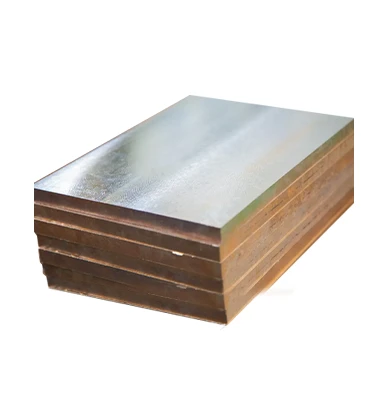








อุปกรณ์การผลิตแผ่นโลหะของเรา:
เครื่องตัดเลเซอร์:ตัดรูปทรงที่ซับซ้อนบนแผ่นและท่อได้อย่างแม่นยำสูง
อุปกรณ์ดัด:รองรับการดัดหลายมุมหลายขนาดเพื่อให้แน่ใจว่าโครงสร้างผลิตภัณฑ์แม่นยำและแข็งแรง
อุปกรณ์ปั๊ม:การเจาะ การขึ้นรูป และกระบวนการอื่นๆ ที่มีประสิทธิภาพโดยใช้แม่พิมพ์ที่กำหนดเอง เหมาะอย่างยิ่งสำหรับการผลิตปริมาณมาก
วัสดุพรีเมี่ยมสำหรับการใช้งานที่หลากหลาย:
สแตนเลส (304/316): ทนต่อการกัดกร่อน มีความแข็งสูง เหมาะสำหรับอุปกรณ์ทางการแพทย์ และเครื่องจักรอาหาร
อลูมิเนียมอัลลอยด์ (5052/6061):น้ำหนักเบาแต่แข็งแรง ใช้กันอย่างแพร่หลายในอุตสาหกรรมอวกาศและกล่องอิเล็กทรอนิกส์
เหล็กกล้ารีดเย็น (SPCC/SECC):คุ้มค่าสำหรับแชสซี ตู้ และส่วนประกอบในอุตสาหกรรม
เหล็กชุบสังกะสี: ป้องกันสนิมและทนทาน เหมาะสำหรับโครงสร้างกลางแจ้งและชิ้นส่วนยานยนต์
กระบวนการผลิตที่แม่นยำ:ตั้งแต่การวาดภาพจนถึงผลิตภัณฑ์สำเร็จรูป เราควบคุมทุกขั้นตอนอย่างเคร่งครัด:
การตัดที่แม่นยำ:การตัดด้วยเลเซอร์ร่วมกับการเจาะ CNC ช่วยลดการสูญเสียวัสดุ
การขึ้นรูป:เทคนิคต่างๆ เช่น การเฉือน การดัด การปั๊ม การยืด การหมุน และการกลิ้งรูปร่างโครงสร้างสามมิติ
การเชื่อม:ข้อต่อที่แข็งแรง ไร้รอยต่อสวยงาม พร้อมการบิดเบือนจากความร้อนที่น้อยที่สุด
การตรวจสอบ:การวัด CMM แบบเต็มมิติช่วยให้มั่นใจได้ว่าเป็นไปตามข้อกำหนดของลูกค้า
การทดสอบการทดสอบการพ่นเกลือและการประเมินอื่นๆ รับประกันอายุการใช้งานที่ยาวนานของผลิตภัณฑ์
โซลูชันการบำบัดพื้นผิว: เพิ่มความทนทานและความสวยงามด้วย:
ป้องกันการกัดกร่อน:การชุบสังกะสี, การชุบนิเกิล, การชุบอะโนไดซ์
ความต้านทานรังสียูวี:เคลือบผง เคลือบฟลูออโรคาร์บอน (มีตัวเลือกสีมากมาย)
เคลือบพรีเมี่ยม:การแปรง/ขัดเงาชิ้นส่วนตกแต่งระดับไฮเอนด์
การสร้างแบรนด์ที่กำหนดเอง:การแกะสลักด้วยเลเซอร์สำหรับโลโก้หรือสิ่งบ่งชี้
ความยืดหยุ่นในการผลิต:
ตั้งแต่การผลิตแบบล็อตเล็กไปจนถึงการผลิตจำนวนมาก เราปรับตัวได้อย่างรวดเร็ว มั่นใจได้ในการส่งมอบที่รวดเร็วด้วยอุปกรณ์ที่ปรับแต่งให้เหมาะสม สามารถตรวจสอบย้อนกลับได้อย่างสมบูรณ์ พร้อมรายงานการตรวจสอบวัสดุและขนาด
ขับเคลื่อนด้วยเทคโนโลยี มุ่งมั่นในคุณภาพ—เราไม่ใช่เพียงผู้ผลิตแผ่นโลหะเท่านั้น แต่เป็นลูกค้าที่คุณไว้วางใจ พันธมิตรด้านการผลิตภาคอุตสาหกรรม!
ติดต่อเราได้วันนี้เพื่อหารือเกี่ยวกับโครงการของคุณ!


How are sheet metal parts manufactured?
Sheet metal parts are manufactured through a series of controlled processes that transform flat metal sheets into precise, functional components. These parts are widely used in industries such as automotive, aerospace, electronics, construction, and agricultural machinery because they are lightweight, strong, and cost-effective.
The process begins with material selection. Common sheet metal materials include steel, stainless steel, aluminum, copper, and brass. The choice depends on required strength, corrosion resistance, weight, and cost. Sheets are produced in standard thicknesses and formats and are inspected for surface quality before processing.
Next is cutting, where the sheet metal is separated into the desired shapes. Cutting methods include laser cutting, plasma cutting, water-jet cutting, and mechanical shearing. Laser cutting is especially popular because of its high accuracy, clean edges, and ability to create complex patterns with minimal material waste.
After cutting, the parts usually undergo forming or bending. This stage reshapes the flat sheet into three-dimensional forms without removing material. Press brakes, stamping presses, or roll-forming machines are used to bend, flange, or curve the metal. Forming gives the part its structural strength and functional geometry, such as brackets, enclosures, or panels.
For high-volume production, stamping is commonly used. In this process, dies and presses perform multiple operations—such as punching, bending, embossing, or drawing—in a single or progressive sequence. Stamping is efficient and ensures consistent quality for mass-produced sheet metal parts.
Some parts require joining operations to become complete assemblies. Welding, riveting, clinching, or fastening with screws and bolts may be used to connect multiple sheet metal components together. The joining method depends on strength requirements and ease of maintenance.
Finally, sheet metal parts go through finishing processes to improve appearance and performance. These may include deburring, polishing, painting, powder coating, galvanizing, or anodizing. Finishing enhances corrosion resistance, durability, and aesthetic quality.
In summary, sheet metal parts are manufactured through material selection, cutting, forming, joining, and finishing. This flexible and efficient process allows manufacturers to produce precise, durable, and economical components for a wide range of industrial applications.
Sheet metal fabrication services
Sheet metal fabrication services refer to the professional processes used to manufacture metal parts, components, and assemblies from flat metal sheets. These services are widely used in industries such as automotive, aerospace, construction, electronics, agriculture, and industrial equipment manufacturing. By combining advanced machinery, skilled technicians, and precise engineering, sheet metal fabrication services provide customized, high-quality metal solutions for a wide range of applications.
The fabrication process typically begins with material selection. Common materials include carbon steel, stainless steel, aluminum, copper, and brass. Each material is chosen based on strength, corrosion resistance, weight, conductivity, and cost requirements. Sheets are supplied in various thicknesses and grades to meet specific design needs.
การตัด is a core service in sheet metal fabrication. Modern workshops use laser cutting, plasma cutting, water jet cutting, and mechanical shearing to achieve accurate shapes and clean edges. Laser cutting is especially popular for its precision, speed, and ability to handle complex geometries with minimal material waste.
After cutting, forming and bending services shape the flat sheets into three-dimensional parts. Press brakes, stamping presses, and roll-forming machines are used to create bends, flanges, channels, and curves. These processes improve the structural strength and functionality of the parts while maintaining tight tolerances.
Many fabrication service providers also offer welding and assembly services. Techniques such as MIG welding, TIG welding, spot welding, riveting, and fastening are used to join individual sheet metal components into complete assemblies. This allows customers to receive ready-to-install parts, reducing their own production time and labor costs.
To enhance durability and appearance, sheet metal fabrication services include surface finishing. Common finishes include powder coating, painting, polishing, galvanizing, anodizing, and deburring. These treatments improve corrosion resistance, wear resistance, and aesthetic appeal, making the parts suitable for demanding environments.
In summary, sheet metal fabrication services provide end-to-end solutions—from design support and material processing to assembly and finishing. By offering flexibility, precision, and cost efficiency, these services help manufacturers produce reliable, high-quality metal components tailored to their specific requirements. They play a critical role in modern industrial production and custom manufacturing.
Types of sheet metal components
Sheet metal components come in many forms and are used across a wide range of industries due to their versatility, strength, and cost efficiency. Based on function, shape, and manufacturing process, sheet metal components can be classified into several main types.
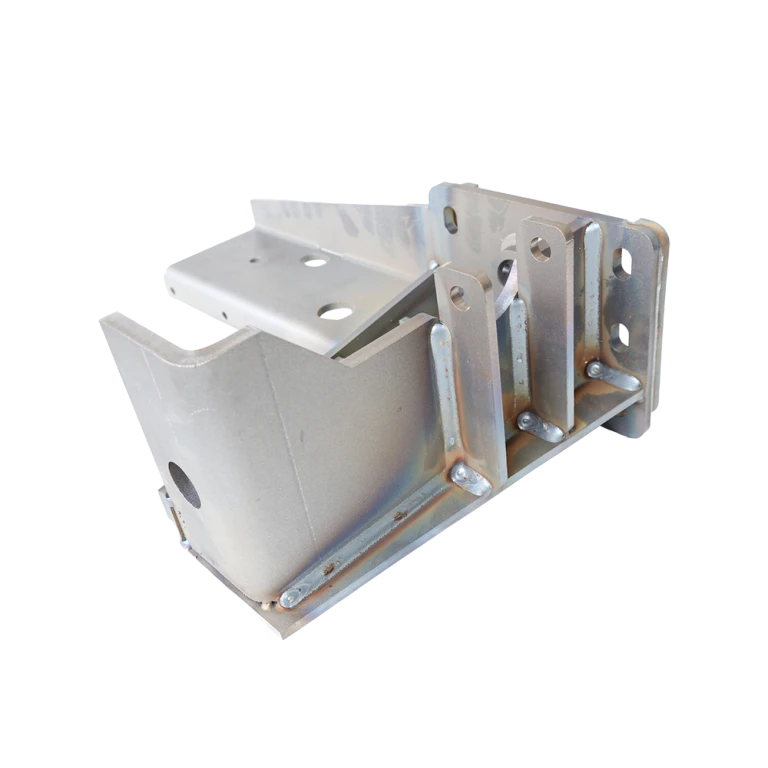
Structural components are designed to provide strength and support. These include brackets, frames, panels, beams, and reinforcements. Structural sheet metal parts are commonly used in construction, machinery, automotive bodies, and equipment enclosures. They are typically formed by bending, stamping, or welding to achieve rigidity and load-bearing capability.
Enclosures and housings are another important type of sheet metal component. These parts protect internal systems from environmental damage, dust, moisture, and mechanical impact. Examples include electrical cabinets, control boxes, server racks, machine covers, and instrument housings. They often require precise bending, cutting, and surface finishing for both functionality and appearance.
Fastening and connection components include clips, brackets, mounting plates, flanges, and tabs. These components allow sheet metal parts to be attached to other structures or assemblies. They are commonly designed for easy installation and maintenance and may be used with bolts, screws, rivets, or snap-fit features.
Functional and mechanical components perform specific tasks within a system. Examples include vents, grilles, heat sinks, shields, ducts, and channels. These parts are designed to manage airflow, heat dissipation, vibration, or electromagnetic interference. Precision in design and fabrication is critical to ensure proper performance.
Decorative and exterior components focus on appearance as well as protection. These include panels, covers, trims, and nameplates used in consumer products, appliances, and vehicles. Surface finishing such as painting, powder coating, polishing, or anodizing is often applied to improve visual appeal and corrosion resistance.
Stamped and formed components are mass-produced sheet metal parts made using stamping dies and presses. Examples include washers, brackets, clips, and automotive body parts. These components are ideal for high-volume production due to their consistency and low unit cost.
In summary, types of sheet metal components range from structural supports and enclosures to functional, fastening, and decorative parts. Their adaptability in design and manufacturing makes sheet metal components essential in modern industrial and commercial applications.