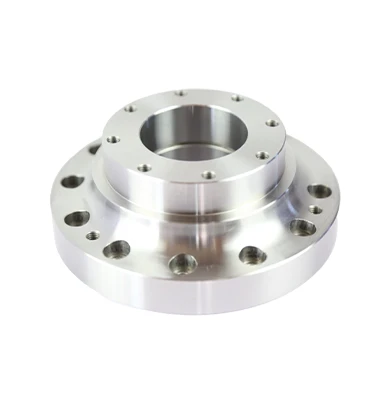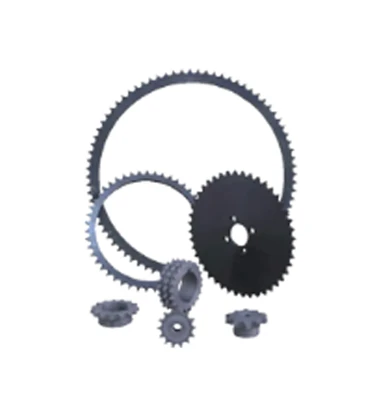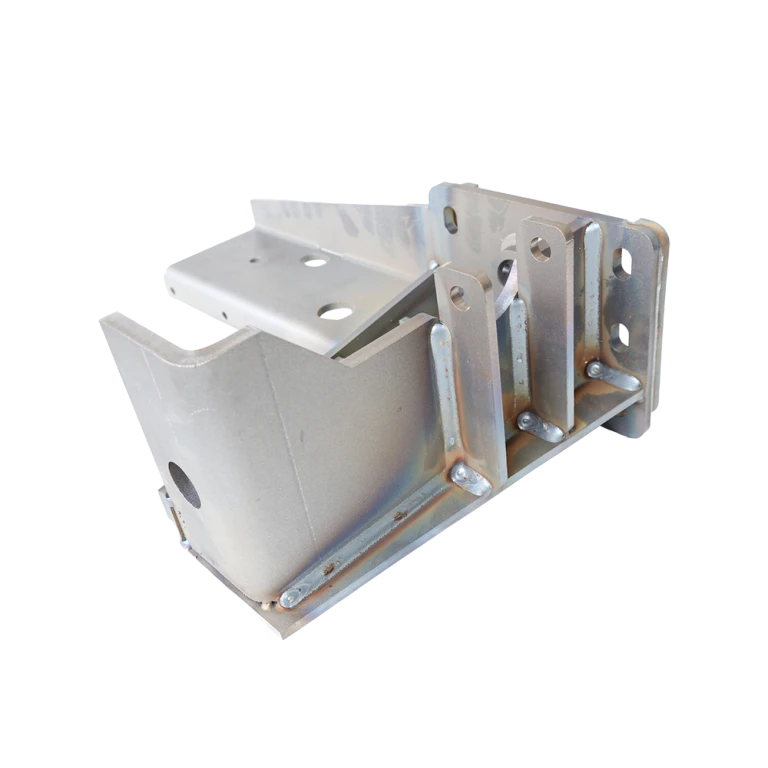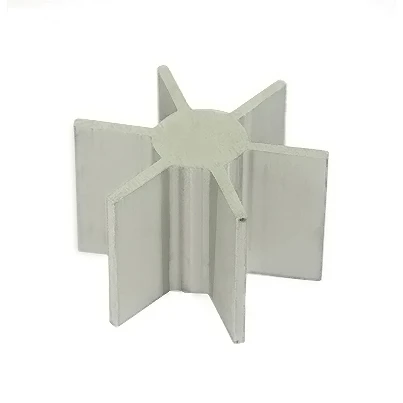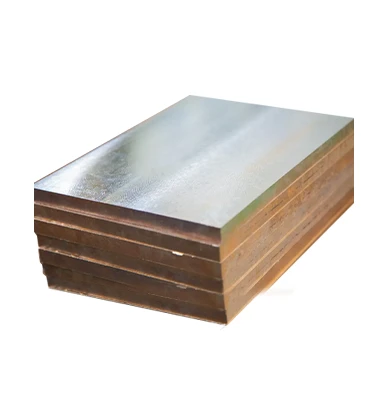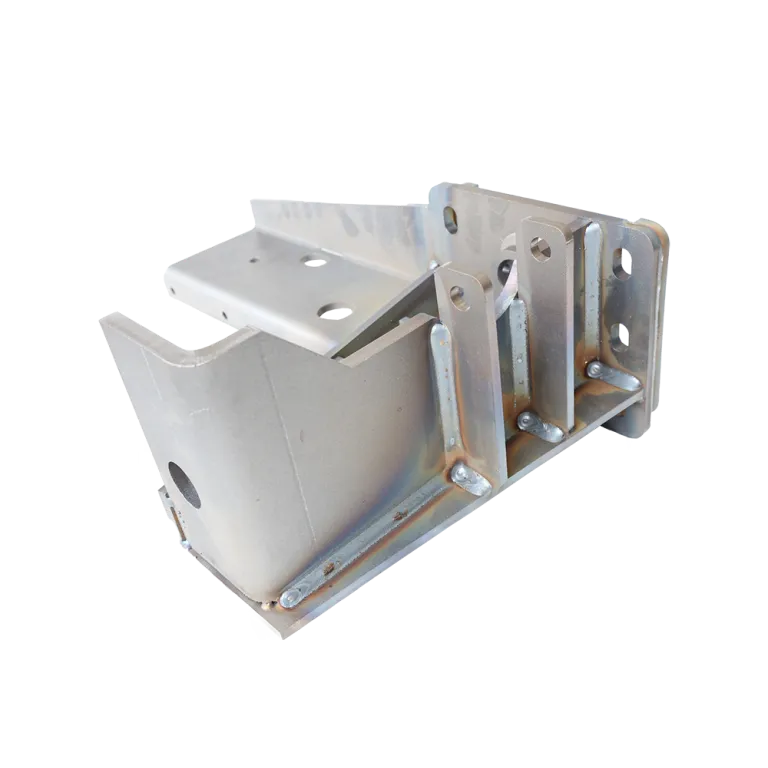








Մեր թիթեղյա արտադրության սարքավորումները:
Լազերային կտրող մեքենաներՀասնել թիթեղների և խողովակների վրա բարդ ուրվագծերի բարձր ճշգրտությամբ կտրման։
Ծռման սարքավորումներԱջակցում է բազմաանկյուն, բազմաչափ ծռմանը՝ ապահովելու համար արտադրանքի ճշգրիտ և ամուր կառուցվածքներ։
Դրոշմման սարքավորումներԱրդյունավետ դակման, ձևավորման և այլ գործընթացներ՝ օգտագործելով հատուկ կաղապարներ, իդեալական է մեծ ծավալի արտադրության համար։
Բարձրակարգ նյութեր բազմազան կիրառությունների համար:
Անժանգոտվող պողպատ (304/316)Կոռոզիայի դիմացկուն, բարձր կարծրություն, հարմար է բժշկական սարքերի և սննդի մեքենաների համար:
Ալյումինե համաձուլվածք (5052/6061)Թեթև, բայց ամուր, լայնորեն կիրառվում է ավիատիեզերական և էլեկտրոնային պատյաններում։
Սառը գլանված պողպատ (SPCC/SECC)Արդյունաբերական շասսիների, պահարանների և բաղադրիչների համար մատչելի գներ։
Ցինկապատ պողպատԿոռոզիայի դեմ դիմացկուն և ամուր, իդեալական է բացօթյա կառույցների և ավտոմոբիլային մասերի համար։
Ճշգրիտ արտադրական գործընթացՆկարչությունից մինչև պատրաստի արտադրանք, մենք խստորեն վերահսկում ենք յուրաքանչյուր քայլը.
Ճշգրիտ կտրումԼազերային կտրումը CNC դակման հետ զուգակցված նվազագույնի է հասցնում նյութական կորուստը։
ՁևավորումՏեխնիկա, ինչպիսիք են կտրումը, ծռումը, դրոշմումը, ձգումը, պտումը և գլորումը, որպեսզի ձևավորվեն եռաչափ կառուցվածքներ։
ԵռակցումՀզոր, գեղագիտականորեն անթերի միացումներ՝ նվազագույն ջերմային աղավաղմամբ։
ՍտուգումԼիաչափ CMM չափումը ապահովում է հաճախորդի պահանջներին համապատասխանությունը։
ՓորձարկումԱղային ցողման փորձարկումները և այլ գնահատումները երաշխավորում են արտադրանքի երկարակեցությունը։
Մակերեսային մշակման լուծումներԲարելավեք դիմացկունությունն ու գեղագիտությունը հետևյալի միջոցով՝
Հակակոռոզիոնցինկապատում, նիկելապատում, անոդացում:
Ուլտրամանուշակագույն դիմադրությունՓոշեպատում, ֆտորածխածնային ծածկույթ (գունային լայն ընտրանի):
Պրեմիում ավարտԲարձրակարգ դեկորատիվ մասերի խոզանակով/փայլեցմամբ։
Անհատական բրենդավորումԼազերային փորագրություն լոգոների կամ նույնականացուցիչների համար։
Արտադրության ճկունություն:
Փոքր խմբաքանակներից մինչև զանգվածային արտադրություն, մենք արագ ենք հարմարվում։ Արագ առաքումն ապահովվում է օպտիմալացված սարքավորումների միջոցով։ Լրիվ հետևողականություն՝ նյութերի և չափերի ստուգման հաշվետվությունների միջոցով։
Տեխնոլոգիայով առաջնորդվող, որակին նվիրված—Մենք պարզապես թիթեղյա մետաղագործներ չենք, այլ ձեր վստահելի մասնագետները արդյունաբերական արտադրության գործընկեր!
Կապվեք մեզ հետ այսօր՝ ձեր նախագիծը քննարկելու համար։


How are sheet metal parts manufactured?
Sheet metal parts are manufactured through a series of controlled processes that transform flat metal sheets into precise, functional components. These parts are widely used in industries such as automotive, aerospace, electronics, construction, and agricultural machinery because they are lightweight, strong, and cost-effective.
The process begins with material selection. Common sheet metal materials include steel, stainless steel, aluminum, copper, and brass. The choice depends on required strength, corrosion resistance, weight, and cost. Sheets are produced in standard thicknesses and formats and are inspected for surface quality before processing.
Next is cutting, where the sheet metal is separated into the desired shapes. Cutting methods include laser cutting, plasma cutting, water-jet cutting, and mechanical shearing. Laser cutting is especially popular because of its high accuracy, clean edges, and ability to create complex patterns with minimal material waste.
After cutting, the parts usually undergo forming or bending. This stage reshapes the flat sheet into three-dimensional forms without removing material. Press brakes, stamping presses, or roll-forming machines are used to bend, flange, or curve the metal. Forming gives the part its structural strength and functional geometry, such as brackets, enclosures, or panels.
For high-volume production, stamping is commonly used. In this process, dies and presses perform multiple operations—such as punching, bending, embossing, or drawing—in a single or progressive sequence. Stamping is efficient and ensures consistent quality for mass-produced sheet metal parts.
Some parts require joining operations to become complete assemblies. Welding, riveting, clinching, or fastening with screws and bolts may be used to connect multiple sheet metal components together. The joining method depends on strength requirements and ease of maintenance.
Finally, sheet metal parts go through finishing processes to improve appearance and performance. These may include deburring, polishing, painting, powder coating, galvanizing, or anodizing. Finishing enhances corrosion resistance, durability, and aesthetic quality.
In summary, sheet metal parts are manufactured through material selection, cutting, forming, joining, and finishing. This flexible and efficient process allows manufacturers to produce precise, durable, and economical components for a wide range of industrial applications.
Sheet metal fabrication services
Sheet metal fabrication services refer to the professional processes used to manufacture metal parts, components, and assemblies from flat metal sheets. These services are widely used in industries such as automotive, aerospace, construction, electronics, agriculture, and industrial equipment manufacturing. By combining advanced machinery, skilled technicians, and precise engineering, sheet metal fabrication services provide customized, high-quality metal solutions for a wide range of applications.
The fabrication process typically begins with material selection. Common materials include carbon steel, stainless steel, aluminum, copper, and brass. Each material is chosen based on strength, corrosion resistance, weight, conductivity, and cost requirements. Sheets are supplied in various thicknesses and grades to meet specific design needs.
Կտրում is a core service in sheet metal fabrication. Modern workshops use laser cutting, plasma cutting, water jet cutting, and mechanical shearing to achieve accurate shapes and clean edges. Laser cutting is especially popular for its precision, speed, and ability to handle complex geometries with minimal material waste.
After cutting, forming and bending services shape the flat sheets into three-dimensional parts. Press brakes, stamping presses, and roll-forming machines are used to create bends, flanges, channels, and curves. These processes improve the structural strength and functionality of the parts while maintaining tight tolerances.
Many fabrication service providers also offer welding and assembly services. Techniques such as MIG welding, TIG welding, spot welding, riveting, and fastening are used to join individual sheet metal components into complete assemblies. This allows customers to receive ready-to-install parts, reducing their own production time and labor costs.
To enhance durability and appearance, sheet metal fabrication services include surface finishing. Common finishes include powder coating, painting, polishing, galvanizing, anodizing, and deburring. These treatments improve corrosion resistance, wear resistance, and aesthetic appeal, making the parts suitable for demanding environments.
In summary, sheet metal fabrication services provide end-to-end solutions—from design support and material processing to assembly and finishing. By offering flexibility, precision, and cost efficiency, these services help manufacturers produce reliable, high-quality metal components tailored to their specific requirements. They play a critical role in modern industrial production and custom manufacturing.
Types of sheet metal components
Sheet metal components come in many forms and are used across a wide range of industries due to their versatility, strength, and cost efficiency. Based on function, shape, and manufacturing process, sheet metal components can be classified into several main types.
Structural components are designed to provide strength and support. These include brackets, frames, panels, beams, and reinforcements. Structural sheet metal parts are commonly used in construction, machinery, automotive bodies, and equipment enclosures. They are typically formed by bending, stamping, or welding to achieve rigidity and load-bearing capability.
Enclosures and housings are another important type of sheet metal component. These parts protect internal systems from environmental damage, dust, moisture, and mechanical impact. Examples include electrical cabinets, control boxes, server racks, machine covers, and instrument housings. They often require precise bending, cutting, and surface finishing for both functionality and appearance.
Fastening and connection components include clips, brackets, mounting plates, flanges, and tabs. These components allow sheet metal parts to be attached to other structures or assemblies. They are commonly designed for easy installation and maintenance and may be used with bolts, screws, rivets, or snap-fit features.
Functional and mechanical components perform specific tasks within a system. Examples include vents, grilles, heat sinks, shields, ducts, and channels. These parts are designed to manage airflow, heat dissipation, vibration, or electromagnetic interference. Precision in design and fabrication is critical to ensure proper performance.
Decorative and exterior components focus on appearance as well as protection. These include panels, covers, trims, and nameplates used in consumer products, appliances, and vehicles. Surface finishing such as painting, powder coating, polishing, or anodizing is often applied to improve visual appeal and corrosion resistance.
Stamped and formed components are mass-produced sheet metal parts made using stamping dies and presses. Examples include washers, brackets, clips, and automotive body parts. These components are ideal for high-volume production due to their consistency and low unit cost.
In summary, types of sheet metal components range from structural supports and enclosures to functional, fastening, and decorative parts. Their adaptability in design and manufacturing makes sheet metal components essential in modern industrial and commercial applications.