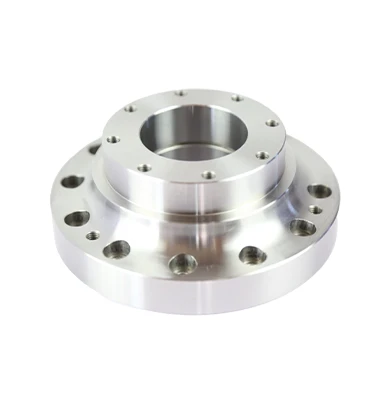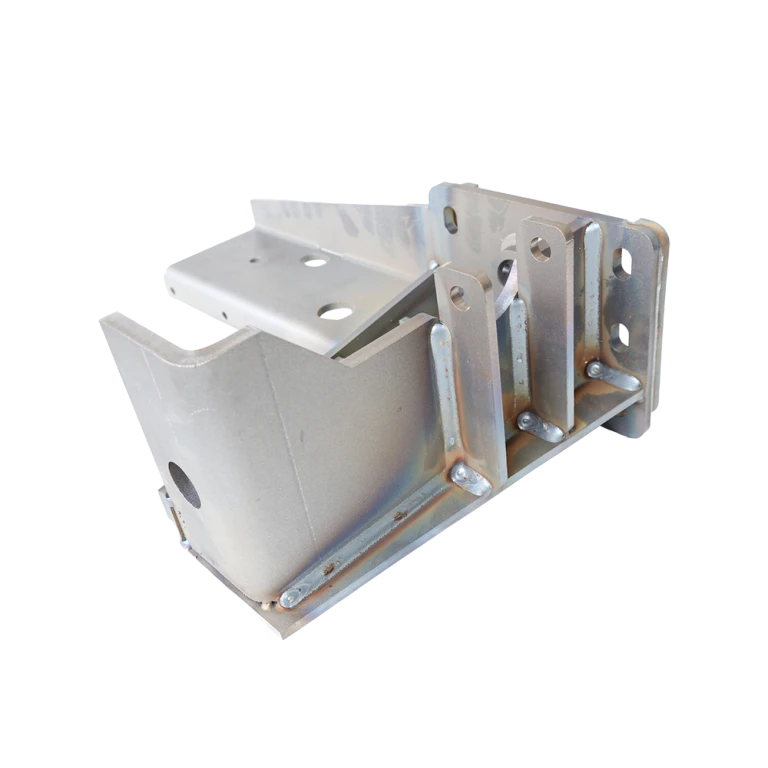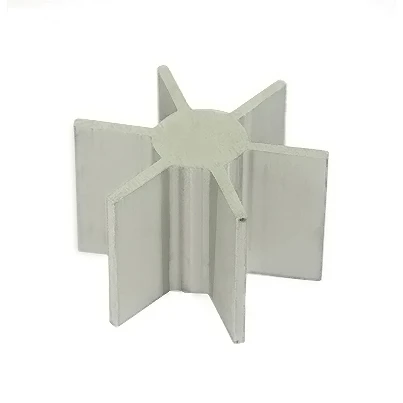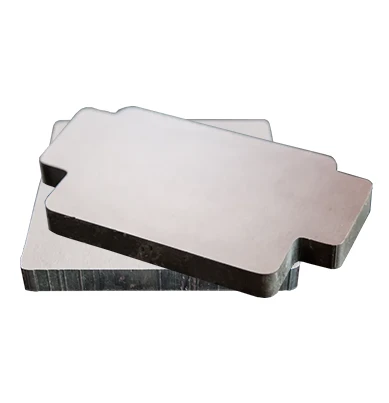







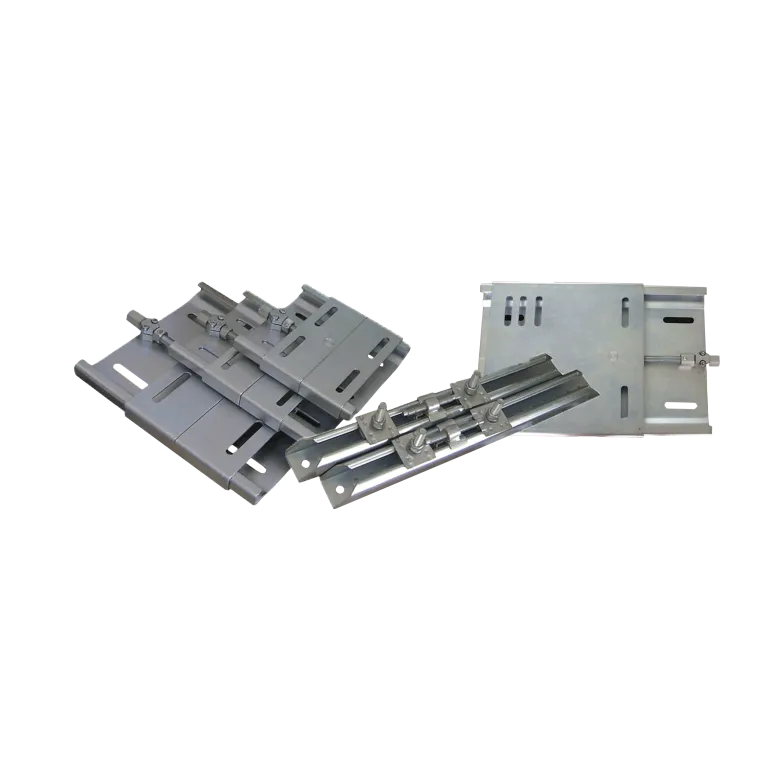


Hebein tuulialue Tarjoamme täyden valikoiman mekaanisen voimansiirron vakiokomponentteja. Tuotteitamme ovat: hammaspyörät, hihnapyörät, jakohihnapyörät, moniurahihnapyörät, kartioholkit, QD-holkit, hitsatut navat, moottorin alustat ja paljon muuta.
Hammasrattaat
Ketjujen kanssa käytetään voimansiirtoon rattaita. Yleisiä tyyppejä ovat: yksi-, kaksi-, kolmi- ja monireikäiset rattaat; valmiiksi koneistetut rattaat; suorareikäiset rattaat, kartioreikäiset rattaat; hiiliteräksiset rattaat, ruostumattomasta teräksestä valmistetut rattaat ja valetut rattaat.
Hihnapyörät
Hihnapyörät toimivat yhdessä erilaisten hihnojen kanssa voiman tai liikkeen välittämiseksi. Yleisiä tyyppejä ovat: kiilahihnapyörät (SPA/SPB/SPC/SPZ-sarja), U-urahihnapyörät, litteähihnapyörät; valurautaiset hihnapyörät, teräshihnapyörät ja alumiiniseoksesta valmistetut hihnapyörät.
Jakohihnapyörät
Jakohihnapyörät estävät hihnan luistamisen ja varmistavat tarkan synkronoinnin vetävän ja varustetun akselin välillä. Ne yhdistetään jakohihnoihin. Yleisiä tyyppejä ovat: HTD-sarja, T-sarja, AT-sarja, RPP-kaarevahampainen sarja, STD-kaarevahampainen sarja. Tavallisia materiaaleja ovat alumiini, hiiliteräs ja valurauta.
Kartioholkit
Kartioholkit yhdistävät akselit muihin komponentteihin kartiopintojen kautta ja korvaavat perinteiset kiilauraliitokset. Vakiomallit ovat kokoluokkaa 1008 - 6050, ja saatavilla on useita reikäkokoja. Materiaaleihin kuuluvat valurauta, hiiliteräs ja ruostumaton teräs.
Moottori Perusta
Säädettävät moottorinjalustat on suunniteltu sähkömoottoreiden turvalliseen asentamiseen ja tukemiseen.
Standardoituja mekaanisia voimansiirtokomponentteja käytetään laajalti erilaisissa laitteissa ja tuotantolinjoilla, mikä tarjoaa suurta kysyntää ja kustannustehokkuutta.
Tiedustelujen osalta ota meihin yhteyttä.


What are the parts of the transmission
A transmission is a mechanical system that transfers power from an engine to the wheels and adjusts speed and torque to suit different operating conditions. While designs vary between manual, automatic, and continuously variable transmissions (CVT), most transmissions share several core components. Below are the main parts of a typical transmission and their functions.
Gears and Gear Sets
Gears are the heart of the transmission. They change the speed and torque of the engine output. In manual transmissions, fixed gear pairs of different sizes are selected by the driver. In automatic transmissions, planetary gear sets are used to provide multiple gear ratios smoothly.
Input Shaft
The input shaft receives power from the engine through the clutch (manual transmission) or torque converter (automatic transmission). It transfers rotational energy into the transmission system.
Output Shaft
The output shaft delivers power from the transmission to the driveshaft or differential, which then transfers it to the wheels. Its speed varies depending on the selected gear ratio.
Countershaft (Layshaft)
In manual transmissions, the countershaft carries gears that mesh with those on the input and output shafts. It helps provide different gear ratios and torque multiplication.
Clutch (Manual Transmission)
The clutch connects and disconnects engine power from the transmission. It allows smooth gear changes and enables the vehicle to stop without turning off the engine.
Torque Converter (Automatic Transmission)
In automatic transmissions, the torque converter replaces the clutch. It transfers engine power hydraulically and multiplies torque at low speeds.
Synchronizers (Manual Transmission)
Synchronizers match the speed of gears before engagement, allowing smooth and quiet gear changes without grinding.
Planetary Gear Set (Automatic Transmission)
This system consists of a sun gear, planet gears, planet carrier, and ring gear. By locking or releasing different components, the transmission achieves multiple gear ratios.
Bearings and Bushings
These support rotating shafts and reduce friction, ensuring smooth and efficient operation.
Transmission Case (Housing)
The housing encloses all transmission components, maintains alignment, and holds transmission fluid for lubrication and cooling.
Transmission Fluid
Though not a mechanical part, transmission fluid is essential for lubrication, cooling, and hydraulic operation.
In summary, a transmission consists of gears, shafts, engagement mechanisms, and supporting components that work together to control speed and torque efficiently.
What are the 4 types of transmissions
1. Manual Transmission (MT)
A manual transmission requires the driver to manually select gears using a gear lever and clutch pedal. The clutch disconnects the engine from the transmission during gear changes, allowing the driver to control power delivery. Manual transmissions are mechanically simple, efficient, and durable. They offer better driver control and are often less expensive to maintain. However, they require more driving skill and can be tiring in heavy traffic.
2. Automatic Transmission (AT)
An automatic transmission shifts gears automatically without driver input. It uses a torque converter and planetary gear sets to manage gear changes smoothly. Automatic transmissions are popular for their ease of use and comfort, especially in urban driving. They provide smooth acceleration but are generally more complex and may consume slightly more fuel than manual transmissions.
3. Continuously Variable Transmission (CVT)
A CVT does not use fixed gears. Instead, it relies on a belt or chain running between variable-diameter pulleys to provide an infinite number of gear ratios. This allows the engine to operate at its most efficient speed, improving fuel economy and smoothness. CVTs are commonly used in small cars and hybrid vehicles. However, some drivers dislike the lack of traditional gear shifts, and CVTs may have durability limitations under high torque.
4. Dual-Clutch Transmission (DCT)
A dual-clutch transmission combines features of manual and automatic transmissions. It uses two clutches—one for odd gears and one for even gears—to allow extremely fast and smooth gear changes. DCTs offer high efficiency and performance, making them popular in sports cars and modern vehicles. However, they are mechanically complex and can be more expensive to produce and maintain.
What are the parts of a manual transmission
A manual transmission is a mechanical system that allows the driver to control gear selection using a clutch pedal and gear lever. It consists of several key components that work together to transmit engine power to the wheels while providing different speed and torque ratios. The main parts of a manual transmission are explained below.
1. Clutch System
The clutch connects and disconnects the engine from the transmission. It includes the clutch disc, pressure plate, and flywheel. When the clutch pedal is pressed, engine power is temporarily disengaged, allowing the driver to change gears smoothly.
2. Input Shaft
The input shaft receives rotational power from the engine through the clutch. It transfers this power into the transmission and drives the internal gear system.
3. Countershaft (Layshaft)
The countershaft is driven by the input shaft and carries multiple gears of different sizes. These gears are constantly meshed with the gears on the output shaft to provide various gear ratios.
4. Output Shaft (Main Shaft)
The output shaft delivers power from the transmission to the driveshaft and ultimately to the wheels. Different gears on this shaft are engaged depending on the selected gear.
5. Gears
Manual transmissions use multiple sets of gears to change speed and torque. Each gear pair provides a specific ratio, allowing the vehicle to accelerate, climb hills, or maintain high speeds efficiently.
6. Synchronizers
Synchronizers match the speed of the gear and the shaft before engagement. This prevents gear grinding and enables smooth and quiet shifting.
7. Shift Forks and Shift Rails
Shift forks move the synchronizer sleeves to engage or disengage gears. Shift rails guide the movement of the forks when the driver operates the gear lever.
8. Bearings and Bushings
Bearings support rotating shafts and reduce friction, ensuring smooth operation and long service life.
9. Transmission Housing (Case)
The housing encloses and supports all transmission components. It maintains proper alignment and contains transmission oil for lubrication and cooling.
10. Transmission Fluid
Although not a mechanical part, transmission fluid is essential for lubricating gears, bearings, and synchronizers, reducing wear and heat.