





Need sheet metal items with tight tolerances, fast delivery?
I’ve been walking factory floors for years; honestly, the quiet heroes in so many builds are sheet metal items. In Hebei, I dropped by Windzone’s line—laser arcs, bending cells humming, the occasional sizzle of a clean TIG pass—and it reminded me why small changes in gauge, radius, or finish can make or break a product launch.
What’s trending (and why it matters)
Two forces are reshaping hardware: electrification and fast iteration. EV cabinets, telecom racks, and smart-ag enclosures want tighter tolerances, weather-proofing, and shorter runs. Fiber lasers plus semi-automated bending are now table stakes; integrated QC and digital traceability are the real differentiators. Many customers say they choose partners who can ship a pilot in days, not weeks—then scale without retooling drama.

Who’s making what, exactly?
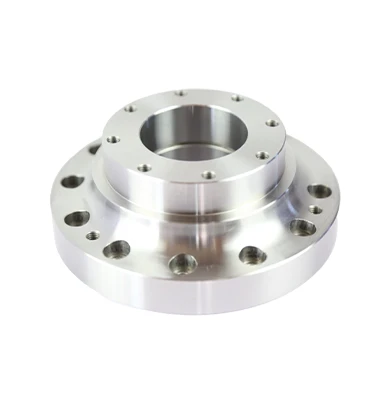
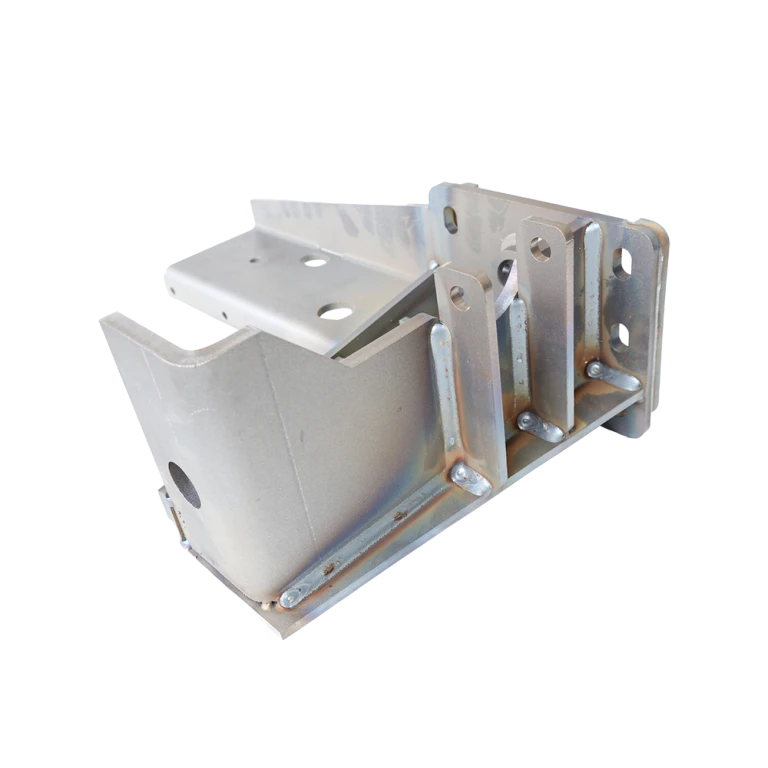
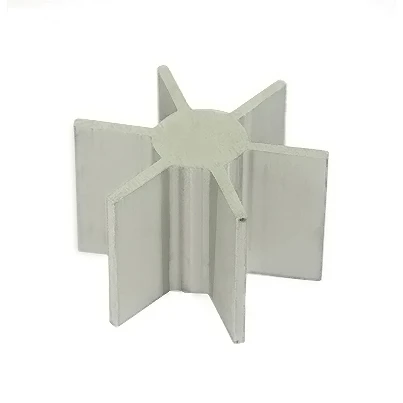
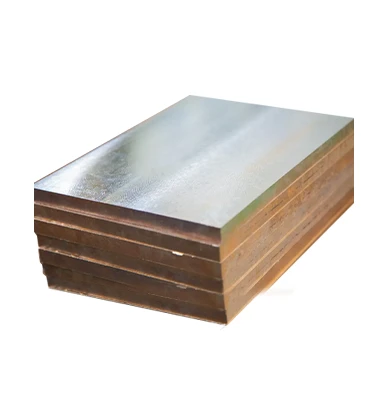
Hebei Windzone manufactures “Sheet Metal Parts” via laser cutting, stamping, and CNC bending, with tooling-assisted features and complementary riveting and welding. Materials? Cold-rolled steel, galvanized, stainless (304/316), aluminum (5052/6061), plus copper/brass when conductivity matters. Origin: Room 905 BLDG. A, No. 363 Tiyu South St., Yuhua Strict, Shijiazhuang, Hebei.
Typical specs (real-world use may vary)
| Parameter | Typical Value / Note |
| Material thickness | ≈0.5–8.0 mm (common), thicker by request |
| Dimensional tolerance | ±0.10–0.20 mm typical per ISO 2768-m, feature-dependent |
| Min bend radius | ≈1.0×t to 1.5×t (material + grain orientation matter) |
| Finishes | Powder coat, zinc plate, anodize, brushing, e-coat, passivation |
| Salt-spray test | ≥240 h ASTM B117 (zinc + powder), higher on request |
| Service life | Indoor 10+ yrs; outdoor 5–15 yrs depending on coating/IP rating |
Process flow (short version)
DFM review → nesting → laser or stamping → deburr → CNC bend → hardware/riveting → welding (MIG/TIG/spot) → surface finish → assembly → QC (CMM, gauges, functional jigs) → pack with traceability. Testing can include B117 salt spray, weld coupons to AWS D1.1, pull-out for rivets, and IP splash/dust where relevant.
Applications and advantages
From telecom racks to HVAC plenums, battery trays, and medical cart frames, sheet metal items win on cost-per-feature and speed. The big upside: rapid revisions, grounded tolerances, and finishes that stand up to field use. It seems that teams love how quickly you can move from a napkin sketch to a shippable enclosure.
Vendor comparison (what buyers actually ask)
| Vendor | Certs | In‑house Processes | Lead Time | MOQ | Notes |
| Hebei Windzone | ISO 9001; RoHS/REACH-ready | Laser, stamping, bending, welding, finishing | Proto ≈5–7 days; MP ≈2–4 weeks | Flexible | Responsive DFM; broad materials |
| Regional Job Shop | ISO 9001 (varies) | Laser/bend; limited welding | 1–3 weeks | Low | Good for quick local turns |
| Aggregator Network | Mixed | Outsourced | Variable | Varies | Scale fast; must verify QC |

Customization, cases, and feedback
Customization can start with a DXF, STEP, or a sketch—Windzone’s engineers usually return DFM notes same day. One EV-charger enclosure moved to a folded design with hemmed edges and seam welds; with gasket upgrades, it hit IP54 and held 500 h salt spray. Another telecom rack trimmed weight ≈18% by switching to 5052-H32 and optimizing flanges—customers said assembly time “just felt easier.”
Quality-wise, lot traceability plus CMM spot checks (feature Cpk targets ≥1.33) keep programs steady. Welds verified to AWS D1.1. Hardware pull tests documented. And yes, sheet metal items ship with finish certs and compliance data when required.
Industries: EV/energy, telecom, HVAC, medical devices, agriculture, machinery enclosures.
References