





Sheet Metal Components Parts Manufacturer - Quality Fabrication Services for Industry
Understanding Sheet Metal Components Parts Manufacturer: A Gateway to Modern Industry
If you've ever wondered how your smartphone's frame, automotive body parts, or even the panels on modern appliances get their shape and strength, then you've brushed up against the realm of sheet metal components parts manufacturer. This sector, while often tucked behind the scenes, is a crucial cog in the machinery of global manufacturing and infrastructure. It really matters because these manufacturers transform flat sheets of metal into precise, durable, and functional parts that touch nearly every industry—automotive, aerospace, construction, electronics, and even humanitarian aid.
Globally, the demand for sheet metal components has surged in recent years, driven by everything from urbanization and smart technology proliferation to sustainability goals that favor recyclable materials. Understanding who these manufacturers are, what they do, and the challenges they tackle offers insights into how our built environment progresses and adapts to new demands.
Mini Takeaway: The sheet metal components parts manufacturer is a linchpin of modern industry, bringing raw metal to life in ways that matter across continents and industries.
Global Context: Why Sheet Metal Fabrication Is an Industry Powerhouse
The manufacturing of sheet metal components is a vast global ecosystem. According to the International Organization for Standardization (ISO), the global metal fabrication market size was valued at over $17 billion in recent years, with steady growth attributed to rising infrastructure projects and automotive production.
This market doesn't just swirl within factory walls—it often aligns with worldwide trends such as environmental regulations, supply chain shifts, and even geopolitical factors. For example, ongoing urban development worldwide means more steel and aluminum parts are essential for construction, quickly ramping up pressure on manufacturers to deliver quality and speed.
Yet, challenges abound: rising raw material costs, supply bottlenecks, and growing demands for customization are just a few. These aspects make working with a trusted sheet metal components parts manufacturer not a luxury but a necessity—who you partner with can make or break project timelines and budgets.
Mini Takeaway: The sheet metal manufacturing sector is not only big business but also a reflection of global economic shifts and industrial priorities.
Defining the Sheet Metal Components Parts Manufacturer
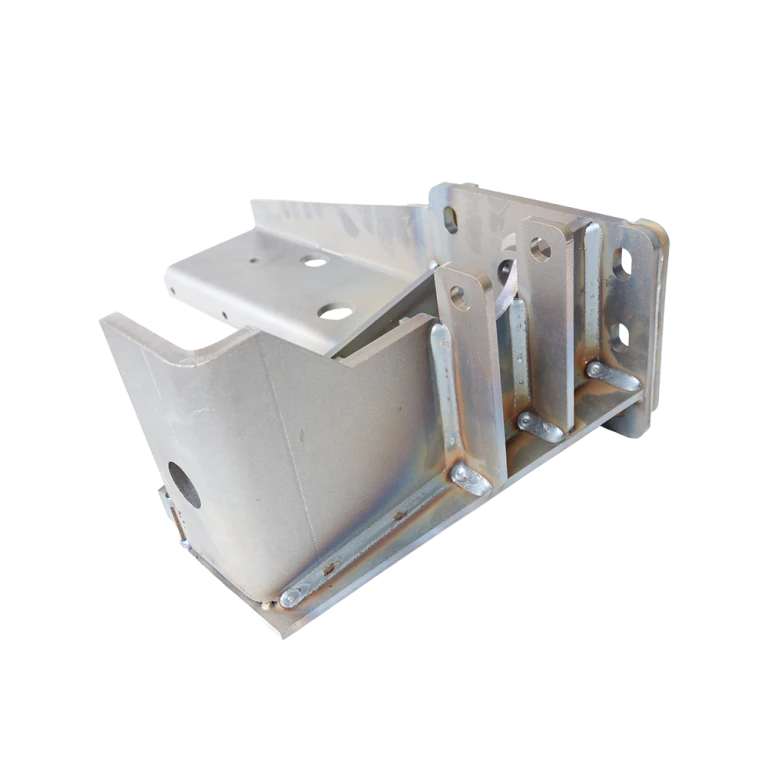
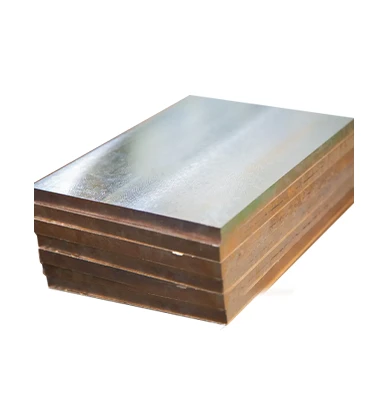
So, what exactly is a sheet metal components parts manufacturer? Simply put, these are businesses or factories that take raw sheets of metal—think steel, aluminum, copper—and use specialized processes like stamping, bending, cutting, and welding to produce components. These parts often serve as integral building blocks within larger machines, vehicles, or electronics.
Think of it like a sculptor's workshop, but instead of chiseling stone, they’re molding metal with modern machinery. From brackets and enclosures to complex panels and chassis, their work provides essential structure and protection across countless applications.
Interestingly, this manufacturing process intertwines with humanitarian and industrial efforts alike. For instance, post-disaster relief shelters sometimes rely on modular sheet metal parts for their robustness and rapid deployment, ensuring safety and dignity for affected communities.
Mini Takeaway: These manufacturers transform raw metal into vital parts that uphold safety, functionality, and often, human welfare.
Key Factors in Selecting a Sheet Metal Components Parts Manufacturer
1. Durability and Material Quality
The heart of any reliable sheet metal component is its material integrity. Manufacturers must use high-grade metals that meet or exceed standards such as ASTM or ISO certifications to ensure long-lasting performance, especially in harsh environments.
2. Scalability and Production Flexibility
Whether you need a dozen prototype parts or thousands of units, a capable manufacturer adapts swiftly. This scalability matters for industries moving from small bespoke runs to mass-scale production without sacrificing quality.
3. Cost Efficiency and Lead Times
Price certainly matters, but it’s the balance with quick lead times and minimal waste that often tips the scales. Innovative fabrication techniques like CNC laser cutting or automated bending help reduce per-unit costs and speed delivery.
4. Technological Capability
Modern manufacturers incorporate CAD/CAM software, robotic arms, press brakes, and quality control through digital measurement. This tech edge improves precision and consistency, vital for tight-tolerance components.
5. Customization and Design Support
From initial design consultancy to prototyping, a trusted partner offers experts who can optimize your part’s function and manufacturability — saving you headaches later in assembly or operation.
6. Sustainability Practices
With the environmental mindset pushing industries forward, many manufacturers are introducing recycling programs, energy-efficient machinery, and using materials with lower embodied carbon.
Mini Takeaway: Selecting the right manufacturer means balancing quality, flexibility, cost, and innovation, aligned with your company’s values and goals.
Global Applications & Use Cases: From Industry Titans to Emergency Relief
Sheet metal parts are everywhere. In automotive hubs like Germany and Japan, manufacturers create car frames and engine components. In aerospace-focused regions such as Seattle and Toulouse, lightweight aluminum parts keep flyers safe and steady.
On another front, manufacturers enable rapid shelter deployment in disaster-prone areas—like typhoon zones in Southeast Asia—where modular sheet metal frames provide sturdy housing that can be assembled quickly.
Emerging markets in India and Mexico also benefit, leveraging local sheet metal workshops to supply parts vital to growing appliance industries and renewable energy projects, like solar panel mounts.
| Specification | Typical Value | Notes |
|---|---|---|
| Material Types | Steel, Aluminum, Copper, Stainless Steel | Based on application strength and corrosion requirements |
| Thickness Range | 0.5mm to 6.0mm | Varies by industry and design specs |
| Production Volume | Prototype to 100,000+ parts/month | Manufacturing capacity scale |
| Lead Time | 2–8 weeks | Dependent on volume and complexity |
| Tolerance | ±0.05mm | High precision capability |
| Surface Finish | Powder Coating, Anodizing, Galvanizing | Enhances corrosion resistance |
Mini Takeaway: From aerospace parts in Europe to relief shelters in Asia, the applications are diverse and critical.
Advantages and Long-Term Value of Working with Quality Manufacturers
Why settle for just any manufacturer when the stakes are this high? A trusted sheet metal components parts manufacturer offers long-term advantages that ripple through the entire product lifecycle.
- Cost-effectiveness: Good design and manufacturing reduce waste, prevent reworks, and speed time-to-market.
- Sustainability: Many now incorporate recycling and use eco-friendly finishes, aligning with corporate responsibility goals.
- Reliability and Safety: High-quality components ensure safety-critical products like medical devices or automotive parts hold up under pressure.
- Innovation: Advanced fabrication technologies provide opportunities for complex, lightweight, and multifunctional parts.
- Trust and Partnership: Collaborative relationships with manufacturers reduce risks and smooth complex supply chains.
Emotionally speaking, there’s peace of mind knowing your product stands up to daily wear, environmental stress, or emergency use. Many engineers say that seemingly small metal parts are often the unsung heroes in their systems.
Mini Takeaway: Beyond price, quality manufacturers add layers of value that underpin lasting success.
Future Trends: Automation, Sustainability, and Digital Integration
Looking ahead, the sheet metal components parts manufacturing sector is buzzing with innovation.
- Digital Twins and AI-driven Design: Simulations to optimize parts before any metal is cut, reducing costly mistakes.
- Automation & Robotics: Higher precision with robotic welding and forming, increasing throughput without sacrificing quality.
- New Materials: Lightweight alloys and composites mixed with traditional metals to meet performance and green regulations.
- Eco-friendly Processes: Reduced waste methods, water-based coatings, and recycling initiatives aligned with circular economy goals.
These advances respond not only to economic needs but to societal pressure for cleaner, faster, smarter production. In fact, companies investing now will likely define market leaders of tomorrow.
Mini Takeaway: The fusion of smart tech and green thinking will shape the next chapter of metal fabrication.
Challenges & Smart Solutions for Manufacturers and Clients
Despite a bright outlook, challenges persist. Raw material price volatility continues to haunt budgets. Supply chain delays can bottleneck entire factories. And customization demands sometimes clash with mass production economics.
Experts suggest collaborative planning tools, flexible manufacturing systems, and local sourcing as smart answers. For instance, some manufacturers now offer digital order tracking and agile production lines that switch quickly between product types.
Moreover, investing in workforce training and lean manufacturing reduces human error and material waste. These are the subtle moves that often go unnoticed but make all the difference behind the scenes.
Mini Takeaway: Facing challenges with innovation, collaboration, and agility can turn hurdles into stepping stones.
FAQ: Your Practical Questions Answered
Q1: What should I look for when selecting a sheet metal components parts manufacturer?
A1: Prioritize experience with your industry, quality certifications (ISO 9001, etc.), production capacity, and technological capabilities like CNC and robotic welding. Don't forget to check their lead times and customization services—these impact your project's success significantly.
Q2: How quickly can manufacturers deliver complex sheet metal parts?
A2: Delivery varies by complexity and volume, but experienced manufacturers typically offer lead times ranging from 2 to 8 weeks. For prototypes or urgent orders, some suppliers have rapid manufacturing capabilities but expect higher costs.
Q3: Are sheet metal components environmentally friendly?
A3: Yes, especially when manufacturers use recyclable metals like steel and aluminum and adopt eco-friendly processes such as powder coating or water-based paints. Also, recycling scrap metal reduces waste and lowers carbon footprints.
Q4: Can sheet metal components be customized for niche applications?
A4: Absolutely—most reputable manufacturers provide design consults and prototyping services to tailor parts to specific needs, from unusual shapes to specialized finishes.
Q5: How can international buyers source quality sheet metal parts?
A5: Many manufacturers, including some in China and Southeast Asia, offer export services and international shipping. Working with suppliers who understand import regulations and offer clear documentation eases customs clearance.
Conclusion: Building a Stronger Industrial Future with Sheet Metal Manufacturers
To sum up, the sheet metal components parts manufacturer is no mere supplier — it's a partner in innovation, sustainability, and global progress. By choosing the right manufacturer, companies not only secure quality components but also contribute to smoother supply chains, reduced environmental impacts, and resilient infrastructures.
If you want a reliable partner to turn your metal fabrication needs into reality, I recommend you visit our website. With expert teams and modern facilities, it’s the efficient route to high-quality sheet metal solutions.
Curious? There's always more to discover — but for now, that’s a solid overview of why this industry sector quietly holds the keys to so many modern conveniences.
Vendor Comparison Table
| Vendor | Certifications | Lead Time | Customization Options | Sustainability Focus |
|---|---|---|---|---|
| SinoMSP | ISO 9001, RoHS | 3–6 weeks | Full design & prototyping support | Advanced recycling & energy programs |
| ElectroFab Co. | ISO 14001 | 4–8 weeks | Standard customization | Limited eco-certified processes |
| GlobalSheet Parts | ISO 9001 | 2–10 weeks (volume dependent) | Custom color and finish options | Emerging sustainability efforts |