





Precision Aluminum Casting Parts | Durable & Lightweight Industrial Solutions
Understanding Precision Aluminum Casting Parts and Their Global Significance
If you’ve not yet come across the term precision aluminum casting parts, you’re in for a treat. On the surface, it might sound like a niche industrial phrase, but trust me — these parts quietly hold together the gears of modern manufacturing, transportation, and even humanitarian relief efforts worldwide. In real terms, the demand for these components reflects a global push toward faster, lighter, and more energy-efficient solutions across sectors.
Why does this matter, you might ask? Well, from automotive assembly lines in Germany to remote wind turbine factories in South America, precision aluminum casting parts help engineers meet exacting tolerances with materials that are both lightweight and durable. That means better fuel efficiency, reduced carbon footprint, and — this part is key — real cost savings. And with the United Nations reporting rising infrastructure needs paired with climate concerns, understanding the role of these parts comes across as surprisingly vital.
Mini Takeaway: Precision aluminum casting parts are small but mighty, bridging industry demands with sustainability goals worldwide.
Global Industry Context: Why Precision Matters on a Big Scale
Global manufacturing output continues to surge, approaching $18 trillion annually as of recent World Bank data. Within this buzzing industrial ecosystem, aluminum casting parts have carved out a significant niche — projected to grow about 5% annually over the next decade (ISO standards help ensure quality and safety, of course). Precision is king because even tiny deviations in part geometry can cascade into costly machine failures or safety hazards.
Industries from aerospace to renewable energy are feeling the pressure to optimize every gram and millimeter. For instance, an aerospace company replacing a steel component with a precision aluminum casting part might reduce aircraft weight by 20%, leading to considerably improved fuel efficiency. But here’s the rub: achieving that level of precision isn’t straightforward — it’s a mix of metallurgy, engineering, and meticulous quality control.
Mini Takeaway: Increasing global demand calls for tightly controlled, lightweight components — precision aluminum casting parts fit right in.
Defining Precision Aluminum Casting Parts
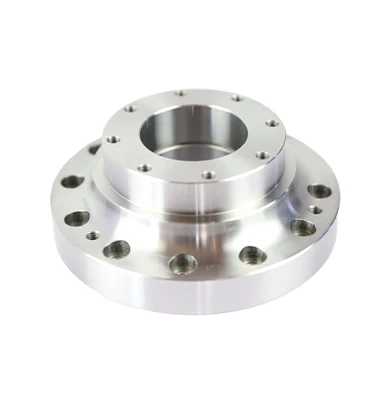
So, what exactly are these parts? In simple terms, precision aluminum casting parts are components made by pouring molten aluminum into highly detailed molds designed to exact specifications. Unlike rough castings, precision versions undergo refined processes—like die casting or investment casting—to ensure every curve, hole, and thread matches the original blueprint flawlessly.
Why aluminum? It’s abundant, corrosion-resistant, and, thanks to its low density, makes finished parts incredibly light yet strong. This balance is a lifeline for modern industries craving performance without added bulk. For example, in humanitarian needs — think portable medical devices or lightweight emergency equipment — these parts help make life-saving gear easier to transport and faster to deploy.
Precision aluminum casting parts represent that quiet intersection where manufacturing art meets science.
Key Factors in Precision Aluminum Casting Parts
Durability
Aluminum alloys used in casting are engineered for endurance — resistance to wear, corrosion, and fatigue. This means products are not just precise but built to last, reducing downtime in, say, automotive engines or industrial pumps.
Scalability in Production
One of the surprising perks is how these parts can scale from prototypes to mass production without losing quality. Rapid tooling and computer-aided design (CAD) facilitate tight tolerance control even at large runs.
Cost Efficiency
While setting up precision casting might initially seem pricey, the long-term savings on materials and machining labor pay off. Less waste, fewer rejects, and lighter products translate to bottom-line improvements.
Design Flexibility
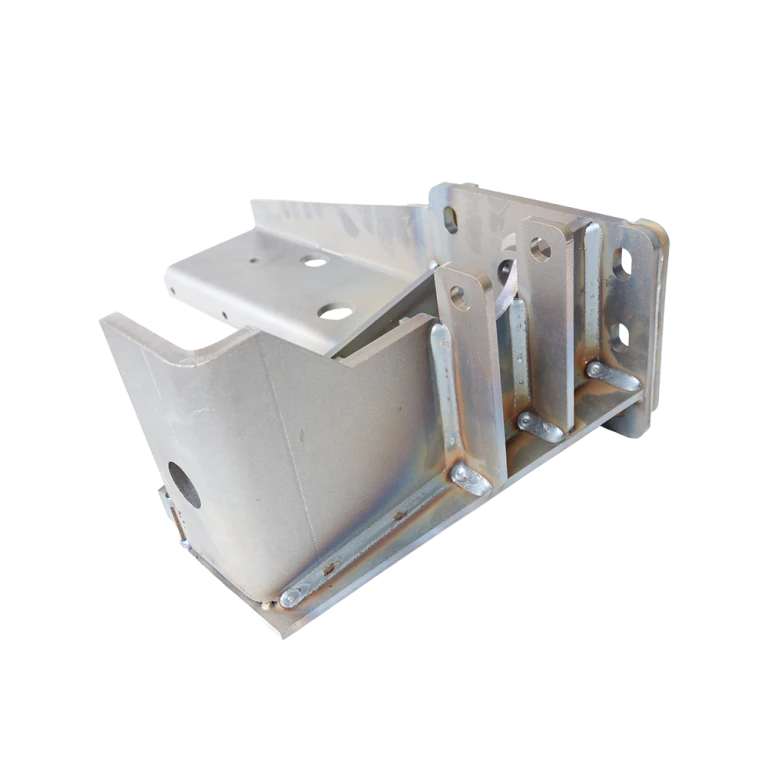
The casting process allows intricate shapes, thin walls, and complex geometries that might be impossible or too expensive to mill from solid stock.
Sustainability
Aluminum is 100% recyclable without losing properties. Recycling used aluminum casting scrap reduces energy use by up to 95%, underscoring the parts’ role in a circular economy.
Mini Takeaway: Durability, scalability, cost, design, and sustainability make precision aluminum casting parts a critical choice.
Global Applications & Use Cases
Precision aluminum casting parts find homes across diverse sectors:
- Automotive: Engine blocks, transmission housings, and structural components that demand light weight but high strength.
- Aerospace: Aircraft brackets and housings where every gram counts for fuel savings.
- Renewable Energy: Wind turbine hubs and solar panel frames that withstand harsh environments.
- Medical Devices: Lightweight connectors and casings enabling portable emergency gear.
- Defense: Precision parts for UAVs and armored vehicles requiring reliability under extreme conditions.
For example, in post-disaster relief operations, lightweight aluminum parts enable faster assembly of critical infrastructure like temporary bridges or communication towers, reducing setup time and increasing safety.
Mini Takeaway: From cars to crisis zones, precision aluminum casting parts empower innovation and resilience globally.
Advantages & Long-Term Value
The benefits extend beyond the obvious cost and weight savings. Here's what you get in the long haul:
- Environmental Impact: Lighter parts mean lower fuel consumption and emissions, fitting into global sustainability goals.
- Reliability & Safety: Precision manufacturing reduces failure rates, literally saving lives in aerospace or medical applications.
- Social Impact: Durable and efficient components contribute to infrastructure stability in developing regions, boosting local economies.
- Innovation Catalyst: The ability to produce complex shapes fast accelerates product development cycles.
Emotionally, engineers and users alike feel assured — it’s a sense of trust that a well-crafted component won’t let the entire system down at a critical moment.
Future Trends & Innovations in Casting Technology
The aluminum casting arena is far from static. Automation using robotics and AI-driven quality control increasingly improves yield and precision. We’re also seeing growth in hybrid casting techniques combining aluminum with other metals for tailor-made properties.
Green energy initiatives push casting manufacturers to adopt cleaner foundry processes and recycled materials. Even more, digital twins and sensor-embedded cast parts point toward a future where real-time performance monitoring prevents failures preemptively.
These advancements mean the humble precision aluminum casting part will stay a linchpin in sustainable industrial growth for years to come.
Challenges & How Industry Tackles Them
Some challenges do persist:
- Initial Tooling Costs: Custom molds and dies can be pricey for small batches.
- Quality Control: Tiny imperfections can slip through without rigorous inspection.
- Material Constraints: Aluminum alloys sometimes can’t withstand extremely high temperatures.
Industry leaders have tackled these by adopting rapid prototyping, advanced NDT (non-destructive testing) methods, and alloy development. Continuous innovation, much like in software, keeps pushing boundaries.
FAQ: Frequently Asked Questions About Precision Aluminum Casting Parts
Q1: How do precision aluminum casting parts differ from regular castings?
A: Precision aluminum castings undergo more controlled manufacturing processes, ensuring tight dimensional tolerances and superior surface finish. This makes them suitable for critical applications where standard castings would fall short.
Q2: What industries benefit most from these casting parts?
A: Industries like automotive, aerospace, renewable energy, medical devices, and defense rely heavily on precision aluminum casting parts due to their light weight and strength.
Q3: Can these parts be recycled or reused?
A: Absolutely. Aluminum is one of the most recyclable metals with no loss in quality after recycling, which helps reduce manufacturing energy consumption and environmental impact.
Q4: What challenges should manufacturers anticipate when using aluminum castings?
A: Common challenges include tooling costs and the need for stringent quality control to avoid defects. However, advances in rapid tooling and inspection technologies help mitigate these issues.
Q5: How does the choice of alloy impact the part's performance?
A: Different aluminum alloys offer various strength, corrosion resistance, and thermal properties. Selecting the right alloy is crucial for matching the application’s service conditions.
Product Specification Table
| Specification | Typical Range/Value | Notes |
|---|---|---|
| Material Grade | A356, A319, ADC12 | Common aluminum alloys used |
| Dimensional Tolerance | ±0.05 mm to ±0.2 mm | Depends on casting process |
| Surface Finish | Ra 1.6 - 3.2 µm | Post-processing may improve this |
| Max Part Weight | Up to 50 kg | Varies by foundry capabilities |
| Casting Methods | Die Casting, Investment Casting, Sand Casting | Die casting most common for precision parts |
Vendor Comparison Table
| Vendor | Precision Level | Material Options | Lead Time | Typical Industries Served |
|---|---|---|---|---|
| SinoMSP Foundry | ±0.05 mm | A356, ADC12, Custom Alloys | 4–6 weeks | Automotive, Aerospace, Energy |
| Global Precision Cast | ±0.1 mm | A319, A356 | 6–8 weeks | Defense, Medical, Electronics |
| AluCast Solutions | ±0.2 mm | Standard Alloys | 3–5 weeks | Construction, Consumer Goods |
Conclusion
All in all, precision aluminum casting parts exemplify the harmony of engineering excellence and sustainable progress. They deliver durable, lightweight solutions that adapt to a dizzying range of applications—from the aerospace sector’s relentless quest to save weight, to remote humanitarian operations where every gram matters. As industries evolve, these parts continue to uphold quality standards while embracing innovation and environmental stewardship.
To explore supply options and learn more about tailoring precision aluminum casting parts for your projects, feel free to visit https://www.sinomsp.com. It’s an exciting area where tradition meets tomorrow’s technology, and worth delving into if your work relies on dependability and precision.