





Aluminum Casting Parts: Durable, Lightweight, and Sustainable Industrial Solutions
Aluminum Casting Parts: Why They Matter More Than You Think
At first glance, aluminum casting parts might seem like just another component in the sprawling world of manufacturing. But dig a bit deeper, and you’ll find these parts are really a backbone of modern industry and global innovation. From automotive hubs in Germany to aerospace units in the US and even infrastructure rebuilding efforts in Southeast Asia, aluminum casting parts are quietly powering progress. Understanding them isn’t just about knowing how a product is made—it’s about appreciating an ecosystem of efficiency, sustainability, and economic growth that echoes worldwide.
Not to mention, with the global aluminum casting market projected to grow substantially over the next decade (the International Aluminum Institute notes a steady increase in demand), getting familiar with these parts gives you a peek into the future of manufacturing itself.
Mini takeaway: Aluminum casting parts are crucial building blocks in many industries and a key driver of global manufacturing advancements.The Global Stage: Why Aluminum Casting Parts Keep Getting Bigger
Let’s put this into perspective. According to the United Nations Industrial Development Organization (UNIDO), aluminum is one of the fastest-growing metals in terms of global production and consumption. Why? Because it’s lightweight, strong, and highly recyclable. Aluminum casting parts leverage these properties by transforming raw aluminum into complex components used in automotive engines, electronics, or energy-producing turbines.
Yet the challenge remains – traditional parts made from heavier materials don’t cut it anymore. They require more fuel, increase wear, and limit design flexibility. Aluminum casting parts address that by enabling manufacturers to build lighter, more durable products without compromising performance.
On a global scale, industries from aerospace to renewable energy rely heavily on these parts. The World Bank reports that advanced materials like aluminum alloys help emerging economies leapfrog older technologies, boosting local manufacturing and economic resilience.
Mini takeaway: The rise of aluminum casting parts coincides with global trends toward efficiency and sustainability, helping industries meet ever-more demanding standards.What Are Aluminum Casting Parts, Exactly?
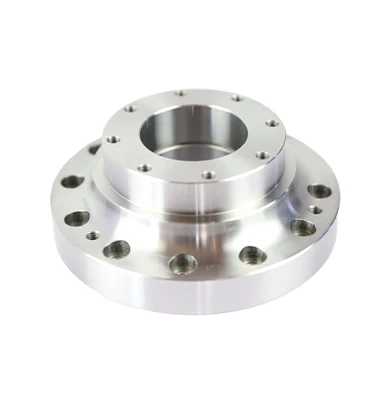
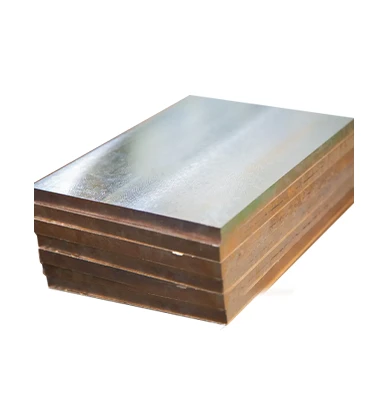
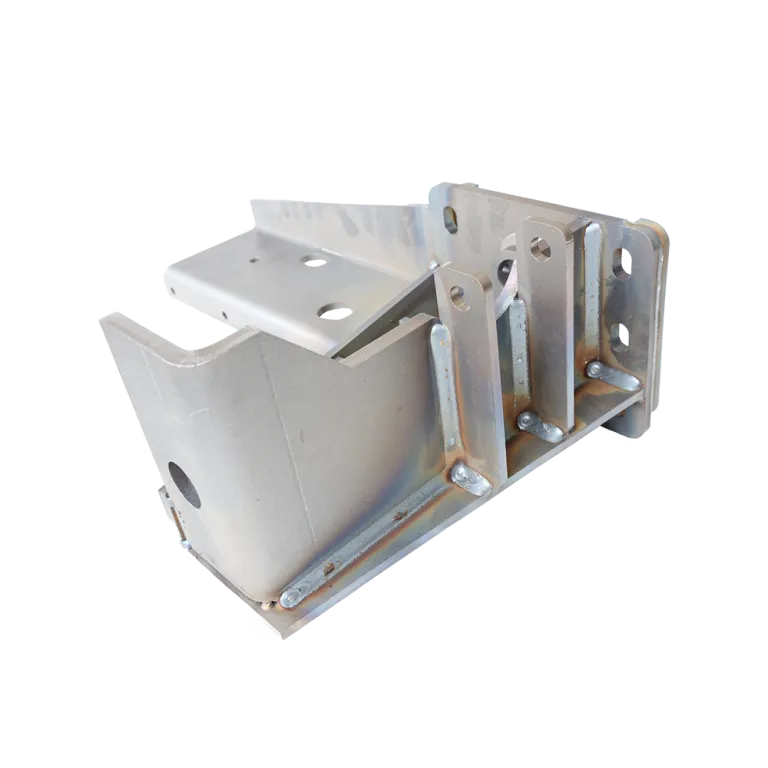
Simply put, aluminum casting parts are components made by pouring molten aluminum into molds—shaped exactly to the design required. Once cooled, these castings become intricate parts, ready to slot into machines, vehicles, or structures. This process allows for remarkable design versatility, which is why these parts are everywhere from the tiny fins of a smartphone cooling system to the large housings of industrial electric motors.
The connection to humanitarian needs? Well, think about disaster relief logistics. Aluminum parts can be crafted quickly, transported easily, and assembled into lightweight shelters or machinery. Their corrosion resistance means these parts last longer even in harsh environments, which is a big deal when rebuilding infrastructure post-disaster.
Mini takeaway: Aluminum casting parts are molded aluminum components used across industries, prized for versatility and durability — qualities that align with modern manufacturing demands.Key Characteristics that Make Aluminum Casting Parts a Game-Changer
1. Durability and Corrosion Resistance
Unlike steel or iron, aluminum naturally forms a protective oxide layer that shields it from rust. This means components last longer, especially outdoors or in chemically challenging environments.
2. Lightweight Yet Strong
Many engineers say the ratio of strength to weight in aluminum alloys is ideal for transport industries—lighter parts mean more fuel efficiency and better performance.
3. Scalability and Design Flexibility
Aluminum casting allows for intricate geometries impossible with machining alone. This enables manufacturers to produce parts that fit complex assemblies, reducing the need for extra components.
4. Cost Efficiency
The casting process minimizes waste, and the recyclability of aluminum lowers raw material costs over time. Plus, reduced transportation expenses from lighter parts add up quickly.
5. Environmental Sustainability
Aluminum is 100% recyclable without losing quality. Using recycled aluminum cuts energy consumption by 95% compared to primary production, which is a massive win in reducing carbon footprints.
Here’s a quick specs overview to illustrate some typical standards for aluminum casting parts:
| Specification | Typical Range/Value | Notes |
|---|---|---|
| Alloy Type | A356, A319, A380 | Common alloys for casting |
| Tensile Strength | 180–280 MPa | Depending on alloy and heat treatment |
| Density | 2.6–2.8 g/cm³ | Why it’s lightweight |
| Corrosion Resistance | Excellent | Al oxide layer protects parts |
Where Aluminum Casting Parts Make a Difference Globally
If you travel industry circles or even browse international news, you’ll catch industries humming with the reliance on these parts. Automotive manufacturing in countries like Japan and Germany uses aluminum castings to lower vehicle weights, improving fuel efficiency and lowering emissions—something the EU heavily incentivizes nowadays.
In aerospace hubs like the US and France, complex aluminum castings form engine components where every gram matters for flight efficiency. In emerging economies, aluminum castings enable rapid production of electrical housings and machinery parts, fueling electrification and industrial growth.
Consider humanitarian applications: organizations working in disaster response lean on parts made from aluminum castings because of their robustness and portability. In remote industrial zones, lighter machinery parts streamline maintenance and reduce downtime—a real boon when infrastructure is limited.
Mini takeaway: Aluminum casting parts support critical industries worldwide, from high-tech aerospace to urgent humanitarian missions.Long-Term Benefits: More Than Just a Material
These parts yield real cost savings, sure. But the value extends beyond budgets. Because they’re lightweight and corrosion-resistant, products last longer and perform more reliably—which translates to improved safety and trust.
They also give manufacturers room to innovate design-wise. That means better products that can adapt to new markets or changing regulations with minimal disruption. And emotionally? Knowing that your car, building, or equipment incorporates advanced, sustainable components provides a kind of reassurance—like investing in something future-proof.
What’s Next? Trends Shaping Aluminum Casting Parts
Innovation moves fast here. Digital casting technologies, like 3D-printed sand molds, are speeding up prototyping and production runs, especially for custom parts. Meanwhile, foundries are mining greener alloys—using recycled content coupled with bio-based binders—to cut environmental impact even further.
Automation is also on the rise, reducing defects and improving turnaround times. Companies integrate inline inspection with AI-powered cameras, meaning fewer flaws make it to the assembly line.
There’s also an increasing shift toward lightweight electric vehicles and renewable energy turbines—a natural fit for aluminum castings.
Challenges & How They’re Tackled
Of course, no process is perfect. Aluminum casting sometimes struggles with porosity defects, dimensional inconsistencies, or cooling stresses. But improvements in simulation software, quality control, and alloy composition continue to lower these issues.
Supply chain interruptions can delay raw material access, but local recycling initiatives help buffer shocks. Also, skilled labor shortages have pushed companies to adopt more automated foundry solutions.
FAQ: Quick Answers About Aluminum Casting Parts
- Q: What makes aluminum casting parts better than machined parts?
A: Casting allows for complex shapes with less waste and often lower cost, while machining is better for precise finishing but can be wasteful with material. - Q: How durable are aluminum casting parts in harsh environments?
A: Very durable thanks to aluminum’s natural corrosion resistance, especially when alloyed properly and treated with protective coatings. - Q: Can aluminum casting parts be customized for small production runs?
A: Yes, especially with advances like 3D-printed molds and flexible casting techniques. - Q: Are aluminum casting parts eco-friendly?
A: Absolutely. Aluminum is highly recyclable, reducing energy use and carbon footprint compared to other metals. - Q: How do manufacturers ensure quality with aluminum casting parts?
A: Through a blend of modern simulation, non-destructive testing, and automated visual inspection during and post-production.
Choosing the Right Vendor: A Quick Comparison
| Vendor | Specialties | Lead Time | Sustainability Practices | Typical Markets Served |
|---|---|---|---|---|
| Sinomsp Foundry | High-precision aluminum castings, custom molds | 4-6 weeks | Uses 50% recycled aluminum, ISO 14001 certified | Automotive, Electronics, Renewable Energy |
| Global Cast Inc. | Large-scale industrial components | 6-8 weeks | Limited recycled content | Heavy Machinery, Aerospace |
| EcoAlum Ltd. | Sustainable aluminum castings, low-carbon alloys | 5 weeks | 100% recycled aluminum, renewable energy used | Consumer Electronics, Automotive |
Choosing your vendor matters. For those interested in aluminum casting parts with a blend of quality, sustainability, and competitive lead times, vendors like Sinomsp Foundry offer a compelling proposition.
Wrapping Up: Why Invest Attention in Aluminum Casting Parts?
Thinking long-term, aluminum casting parts are more than just metal pieces. They represent smarter manufacturing that meets the challenges of a world demanding lighter, stronger, greener solutions. Whether you’re an engineer, buyer, or just curious about the nuts and bolts of industry, appreciating these parts gives insight into a future where innovation meets responsibility.
Curious to explore how aluminum castings could elevate your next project? Visit our website and discover the blend of tradition and tech powering tomorrow’s industry.
References: